Immigration NZ’s IT meltdown: ‘If you whistle-blow, you’ll never work again’ - former insider reveals what it was like inside the $30m disaster
A former insider has told the Herald what it was like to work for years on the Immigration New Zealand IT project that saw more than $30 million spent with nothing to show for it. The source told journalist David Fisher that there are other projects just like it currently underway.
“The money spent was just insane,” says one of those who worked inside the Immigration NZ project that squandered tens of millions of taxpayer dollars.
“At one stage we had so much money we couldn’t spend it.”
The IT expert spent years inside the critical “biometric capability upgrade” project that is now subject to a high-level Public Service Commission inquiry.
The inquiry follows a damning review of the Immigration NZ project by management consultant Greg James. He found more than $30m was spent on IT upgrades that never eventuated, at least one government minister was misled, and staff claimed “creative accounting” was used to keep costs below levels that would attract Cabinet scrutiny.
The Immigration NZ project was launched in 2018, paused last November and has now been stopped by Immigration Minister Erica Stanford who on Tuesday called it “almost as bad as it gets”.
The insider spoke to the Herald on condition of anonymity. The person is an IT professional with extensive public sector experience, who spent years in the project that aimed to improve and replace aged and struggling immigration systems.
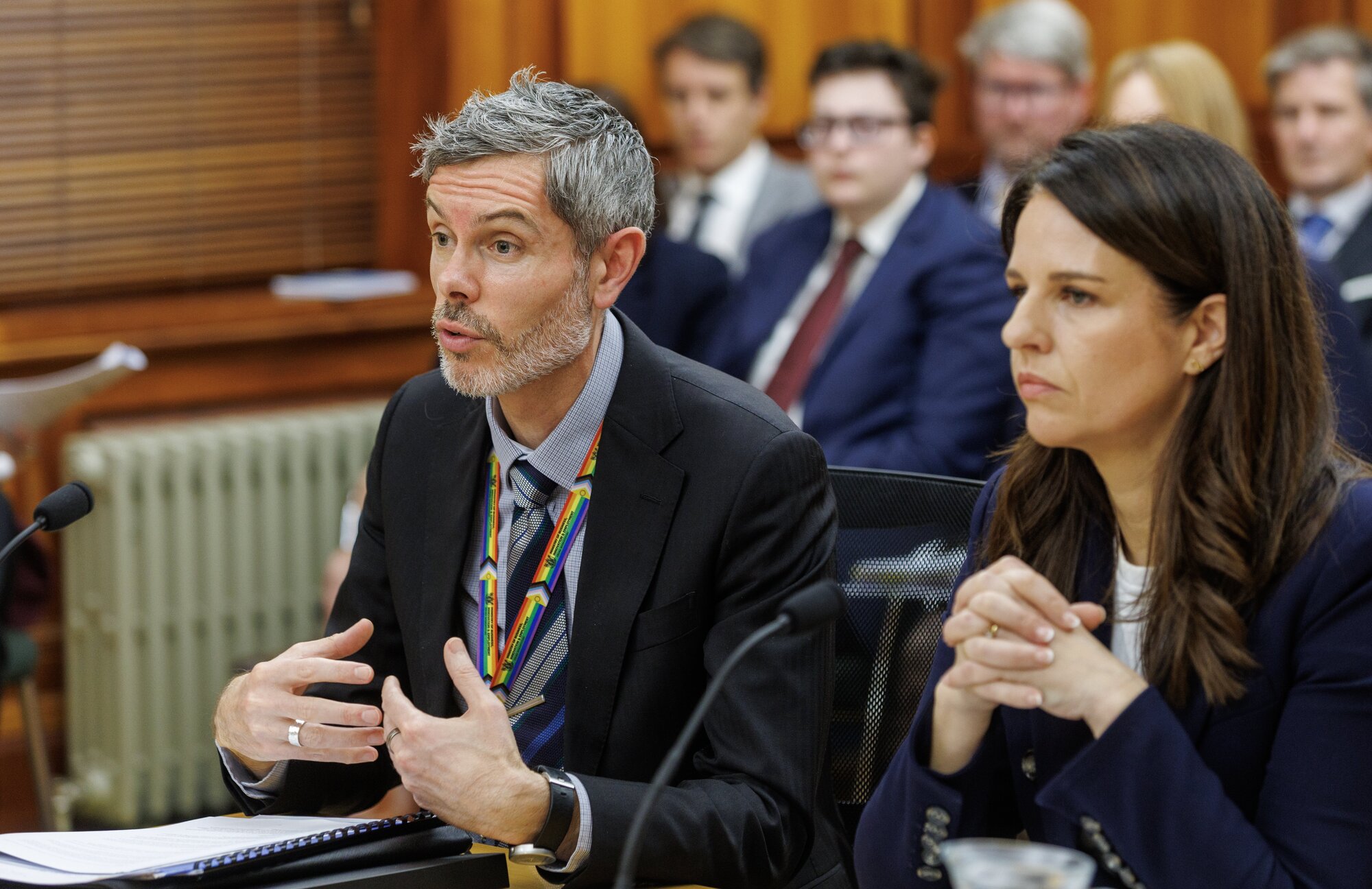
They claimed the project had unclear objectives and money was spent to paper over expensive own-goals, and that there was a culture where no one could raise a red flag.
“There was poor governance and poor controls. If you were a staff member and you questioned it then you’re gone.
“If you stand up and you whistle-blow, you’ll never work again. If you bring it up, you’re gone.”
The James review said there was “sustained and significant personnel turnover” with “some staff ... replaced due to skill gaps or because they raised concerns about the project’s viability”.
The former insider who spoke to the Herald said the inability to raise concerns was not restricted to the Immigration NZ project but existed alongside other IT failures across government.
The person said the system discouraged whistle-blowing from contractors too, questioning why they would speak up when paid “$150 an hour and there for six years”.
The former insider said contractors were more technically capable than staff, and junior staff were often more capable than their managers.
As a result, staff would write code that was then allegedly scrapped and rewritten by contractors.

The Herald’s source claimed an Immigration NZ manager repeatedly sought updated reports from contractors, triggering a hefty charge each time.
“When the people who are supposed to be managing millions and millions of dollars have no idea, this is what you get. It’s not the first government agency to spend millions and get nothing.”
The source was critical of contracts that allowed such trigger payments - and said it was a result of the commercial team that wrote the contracts not understanding the IT system and team.
Parliamentary records show a third of capital labour costs over three years of the project’s six-year life went on contractors. Capital costs is spending considered to have helped build or improve an asset.
Records from Immigration NZ’s parent body MBIE show $5.8m in contractor labour costs itemised as capital spending on the project between 2021 and 2024. That was about a third of the $17.3m in labour costs over that time that were labelled as capital spend on the project.
Spending on contractors might be higher than $5.8m - the source said IT failures led to calls on contract workers for emergency help, which might not have qualified as “capital” spend.
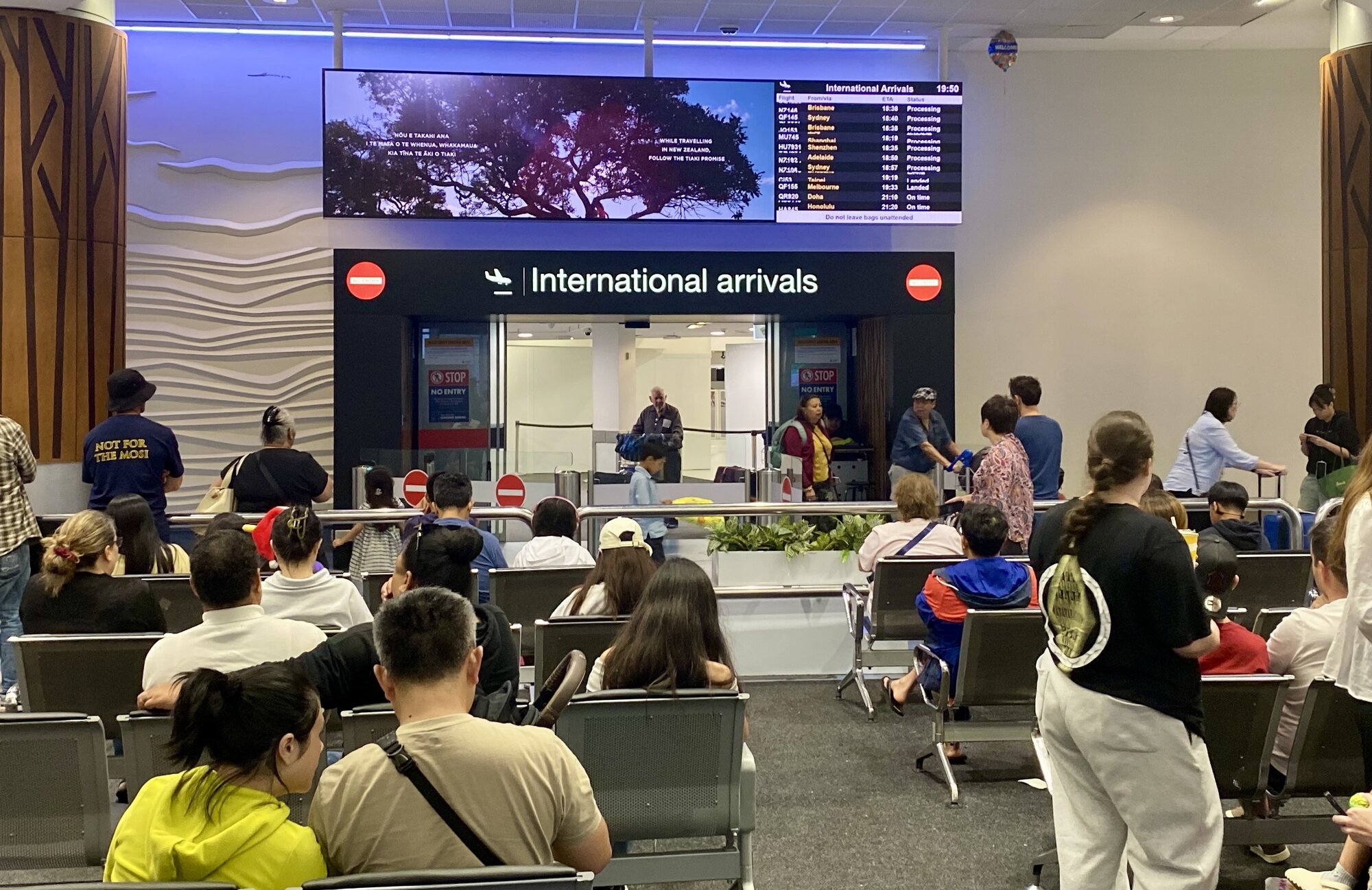
The James review warned the project’s true cost was difficult to track because of the accounting methods used, allegedly to avoid exceeding the $35m project cost that would have triggered Cabinet scrutiny.
“There were always mistakes,” the source said, and contractors would “charge a premium for that”.
One apparently legendary error was replicating a $180-an-hour project-manager contract for more junior staff whose market rates didn’t need to be so high.
The project was always a big ask, the Herald was told. Immigration NZ, like a number of government departments, has a number of ageing legacy systems.
The insider said those systems were particularly difficult to work with because they had not been maintained with ongoing upgrades over the course of their lives.
One blowout with the Immigration NZ project was an attempt to integrate a new cloud system with a database that “had no maintenance for eight years”.
The result was a key Immigration NZ working visa system that was offline for days, with the source claiming “it cost the taxpayer millions”.
The source said that a different approach was taken in the private sector where ongoing investment kept systems working longer. In the public sector, there was pressure to keep costs low over a three-year political cycle.
“Government just isn’t set up to do iterative development. They’re just not set up to do modern IT.”
As the project went on, there was “scope creep”, the source told the Herald.
They had worked for years across government IT projects and said this was not uncommon in a government system where there could be multiple IT systems within agencies, and huge variations between agencies.
“Core government systems just don’t talk to each other.”
Public Service Commissioner Sir Brian Roche has said he will appoint an investigator because issues raised around behaviour and ethics of public servants impacted on “the ability of ministers to have confidence in the advice they receive from officials”.
Labour immigration spokesman Phil Twyford said the situation was a deeply concerning “horror show”.
“It shows ministers have to have an eagle eye and not be prepared to take at face value the advice they are given.”
The lifetime of the project had seen four Labour Party ministers oversee the agency, including three between 2020 and 2023.
Twyford said those found not to have done their jobs should face disciplinary action.
“And if people have broken the law - and that’s a big ‘if’ - they should be held accountable.”
A spokeswoman for Stanford said she had no view on police involvement but expected Roche’s review to be thorough.
The Herald asked Immigration NZ about allegations that milestones had been constantly revised, objectives had been unclear and spending had been at an “insane” rate.
It also asked about the alleged inability of contractors and workers to raise concerns, failure to update legacy systems, lack of internal specialist knowledge, reliance on contractors charging high rates, and claims the separation of commercial and ICT led to contracts falling short of need.
On those issues, Immigration NZ did not respond but said it welcomed the Public Service Commission investigation into “integrity issues”.
The Herald also asked what MBIE would do to develop a new system to replace the canned project. A spokesman said Immigration NZ would continue with the existing system, look for improvements and for ways to align with new digital standards.

The James review found the project delivered no measurable benefits before being canned and the 2020 shift from system upgrade to full replacement lacked supporting analysis.
Over the course of the project, objectives changed with more than 170 change requests. Governance failed to intervene despite red flags from 2021.
David Fisher is based in Northland and has worked as a journalist for more than 30 years, winning multiple journalism awards including being twice named Reporter of the Year and being selected as one of a small number of Wolfson Press Fellows to Wolfson College, Cambridge. He joined the Herald in 2004.
Sign up to The Daily H, a free newsletter curated by our editors and delivered straight to your inbox every weekday.