Investigation: Army training ‘unfit for purpose’ as report links soldier’s death, injuries to system-wide flaws
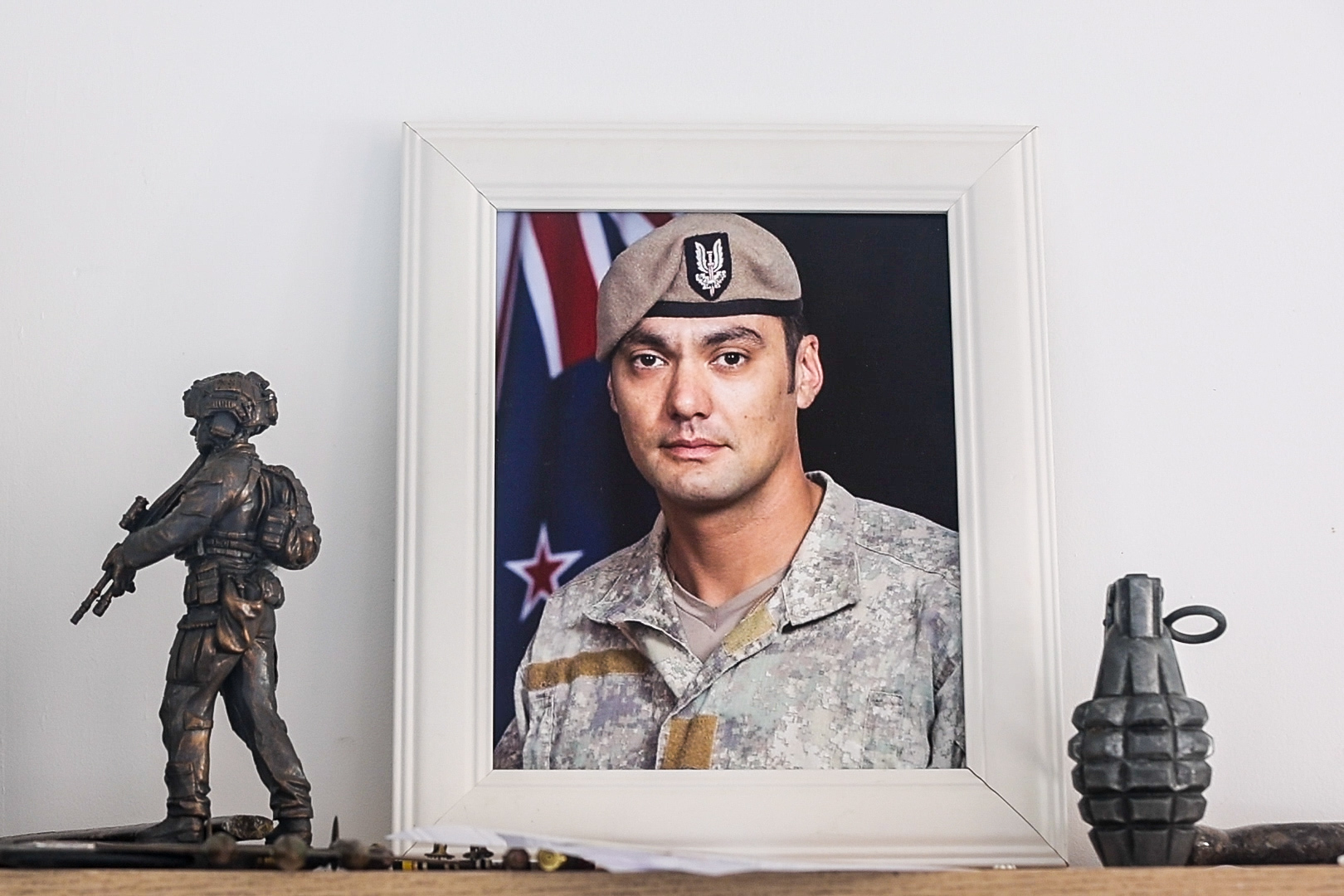
Lance Corporal Nicholas Kahotea died after stepping from a helicopter to the roof of a specialist NZSAS training building. Seven years later, a report has emerged stating army safety in training was “unfit for purpose” at that time. David Fisher reports ahead of this week’s inquest into the young man’s death.
The New Zealand Defence Force says the death of a young NZSAS soldier during a counter-terrorism training exercise was one of the incidents that led to an internal army review, which found its training and safety system was “fundamentally unfit for purpose”.
The stance is a shift in position by the New Zealand Defence Force (NZDF), which has maintained the death of elite soldier Lance Corporal Nicholas ‘Nik’ Kahotea in May 2019 was not connected to a subsequent multi-year, system-wide overhaul of army training.
It has come to light because the NZDF was forced in December – through an ombudsman process – to release to the Herald training safety documents it initially said had to be withheld on national security grounds.
The documents contradict an earlier written statement to the Herald in March 2025 from NZDF that Kahotea’s death was not among the events that led to the army-wide reviews.
They instead reveal Kahotea’s death was one of three incidents that prompted a review of army training safety policies, practices and behaviours – a key foundation to the Army Safety and Training Review (later Regeneration) that began in 2020.
The documents show the army identified serious weaknesses in its training safety system, including an inability to reliably spot risks that could lead to deaths or serious injuries.
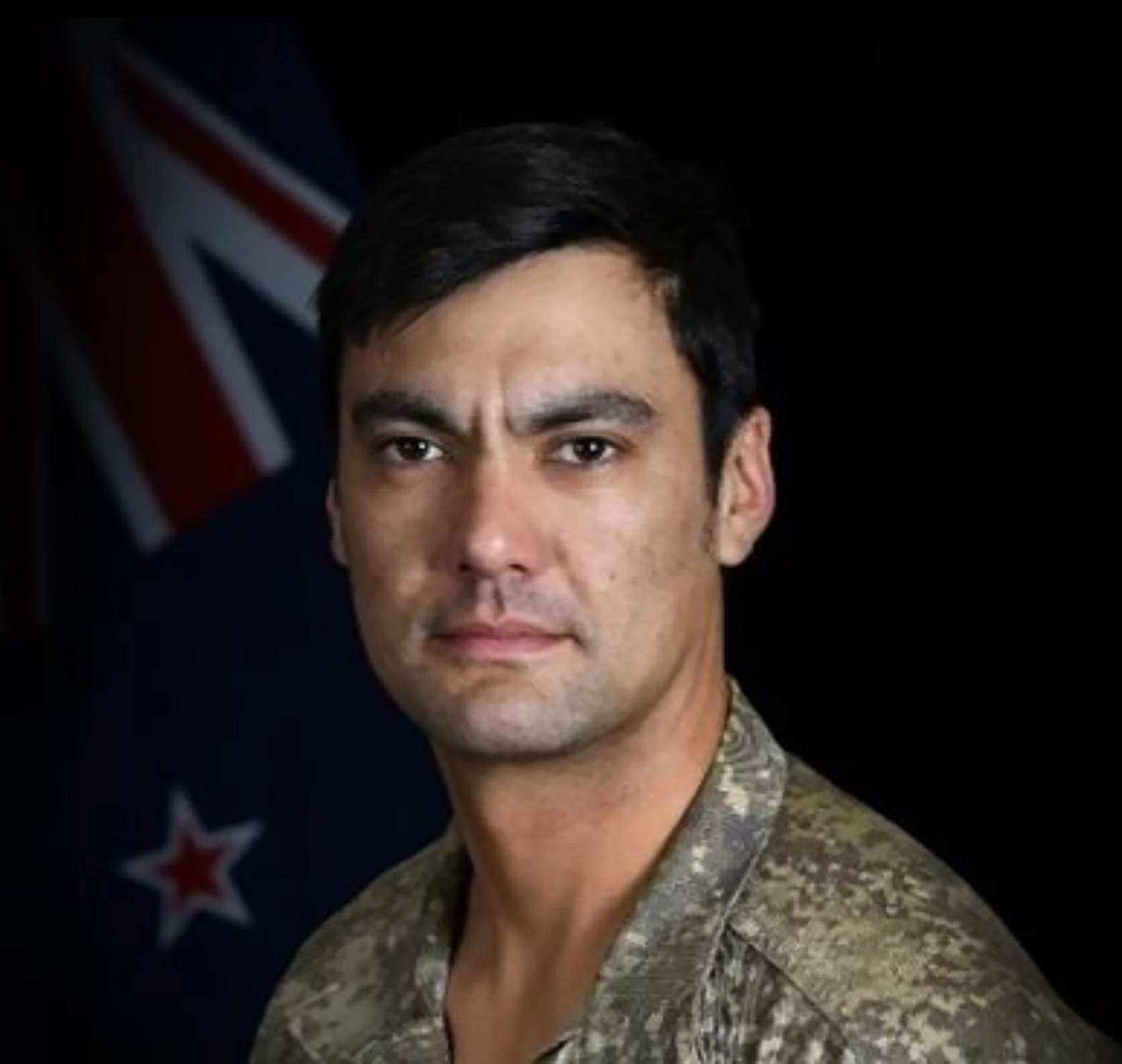
In a recent statement, NZDF has said Kahotea’s death was “one of a number of incidents that informed subsequent reviews”. It has not offered any reason for the change of tune, other than to say the March 2025 statement was “incorrect”.
The inquest into Kahotea’s death begins in Auckland this week, almost seven years after he fell during a training exercise with United States’ special forces at NZDF’s Battlefield Training Facility in Ardmore, South Auckland.
The job of the inquest will be to find the causes and circumstances of Kahotea’s death, identify systemic issues that may have contributed to it and to make recommendations to prevent similar deaths in future.
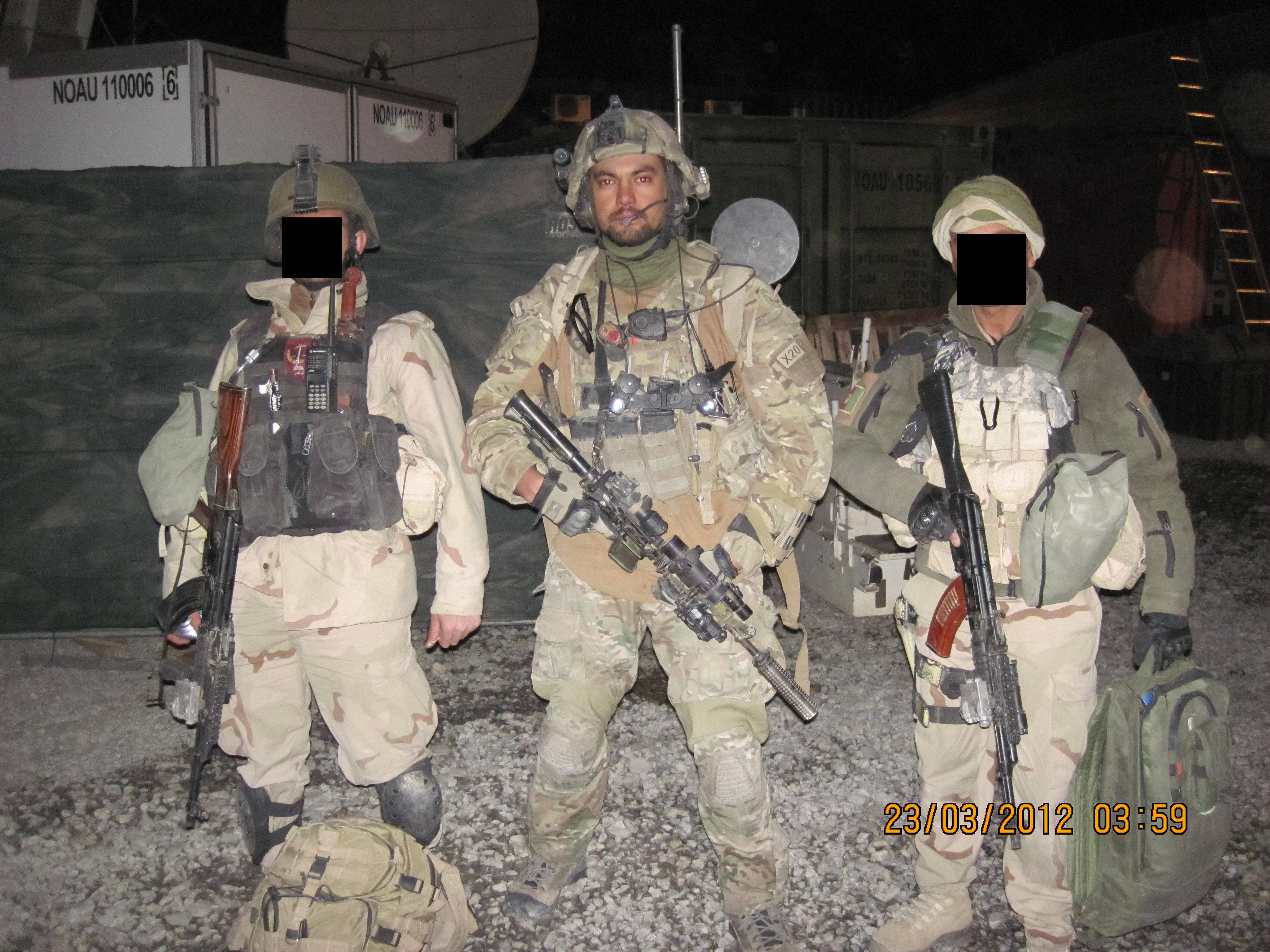
At the time of his death, Kahotea and other NZSAS soldiers were training with US Green Berets and the elite 160th Special Operations Aviation Regiment, known as the “Night Stalkers”.
Afterwards, WorkSafe sought to prosecute NZDF for causing Kahotea’s death, saying the decorated and experienced NZSAS soldier was exposed to “serious risk” because of “NZDF’s failings”.
But that prosecution was blocked by a High Court ruling that the Chief of Defence had a right to exempt NZDF from health and safety prosecution when necessary for “the defence of New Zealand”.
Kahotea’s family intends to ask the inquest to examine whether the Chief of Defence’s assessment process, leading up to the waiver, was reasonable in the context of extensive failures of process and systems failures, identified not only by WorkSafe – but now also in the army’s own documents, obtained through the OIA.
On the basis all OIA information is public, the Herald provided the documents to Kahotea’s family, including his mother Lois Pamment and former partner Dr Sophie Walker, who later submitted the material to the inquest.
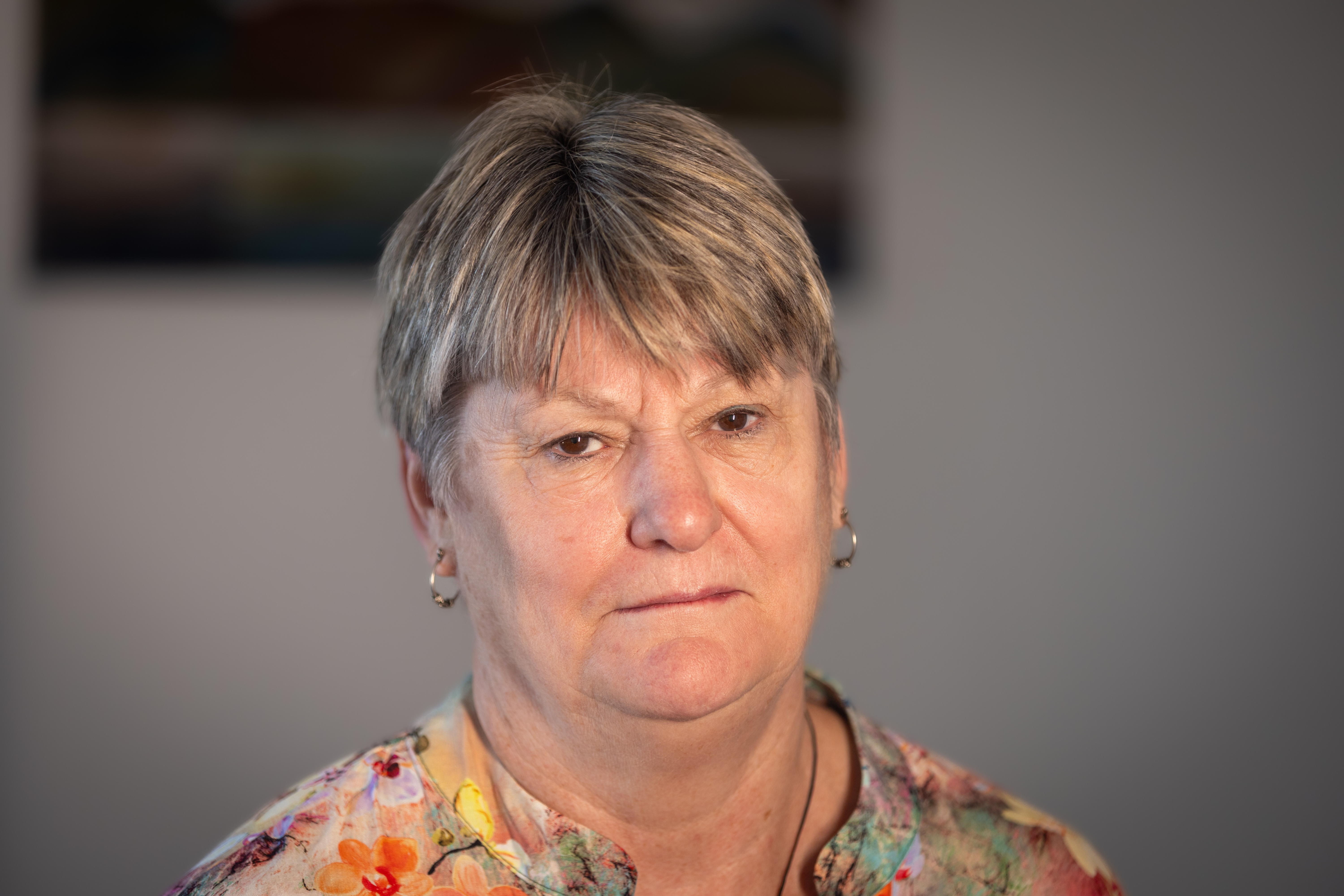
In a statement to the Herald, they said the loss of Kahotea had been “an enduring and deeply painful journey” made more difficult because of “unanswered questions, grief and a profound sense of loss that time has not eased”.
“Nik was deeply loved, and his absence is felt every day. We wish to make it clear that the whānau endorse and support the coronial process currently underway.
“We acknowledge the importance of this process and are grateful for the attention and effort being given to examining the circumstances surrounding Nik’s death.
“This process matters deeply to us. It represents an opportunity for the questions we have carried for so long to finally be heard and, we hope, answered.
“While nothing can bring Nik back to us, gaining clarity and understanding is an essential part of our healing and our ability to move forward.”
How Kahotea died
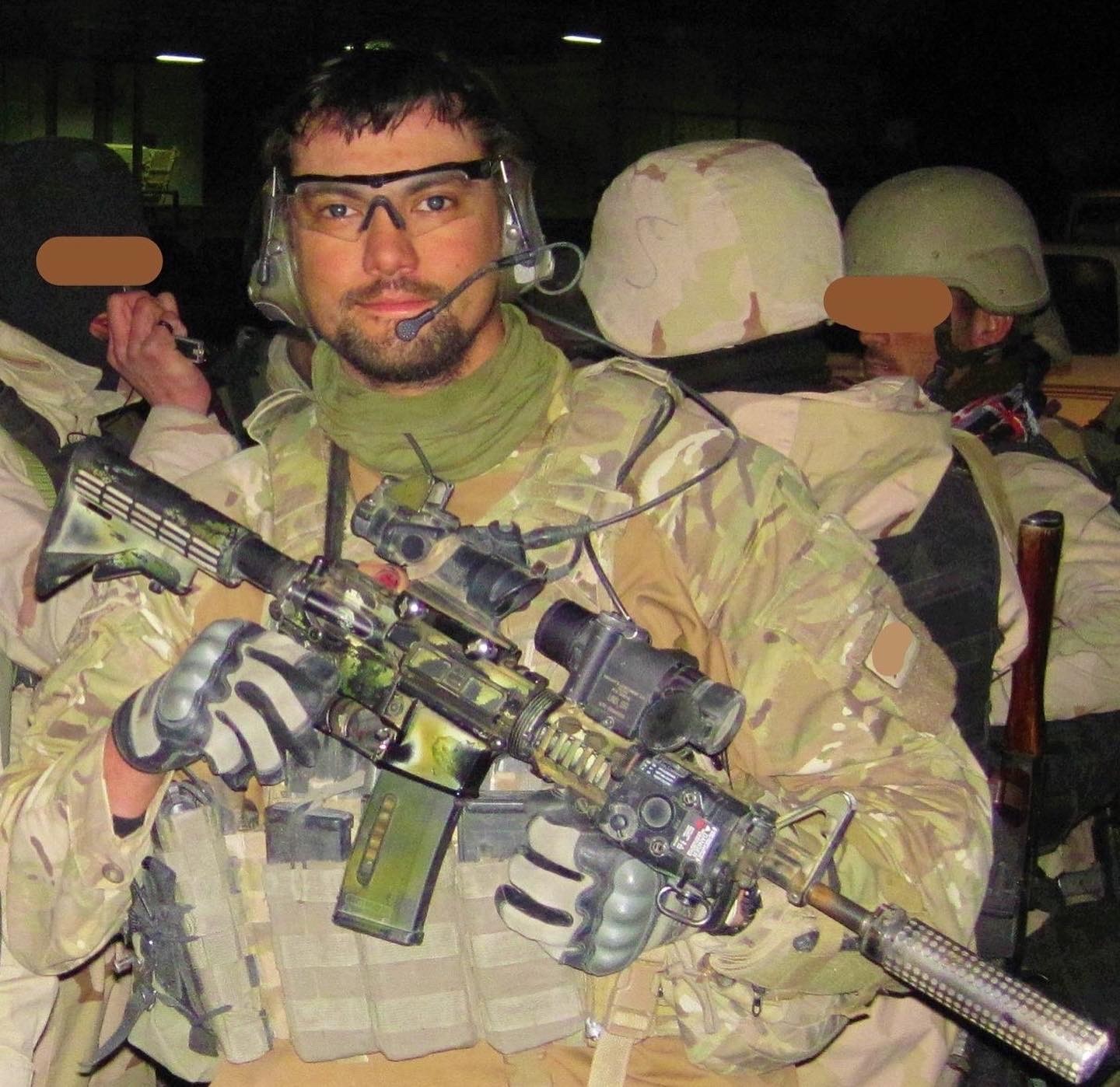
Kahotea died on May 8, 2019, during a night-time NZSAS training exercise at NZDF’s Battlefield Training Facility near Ardmore, south of Auckland.
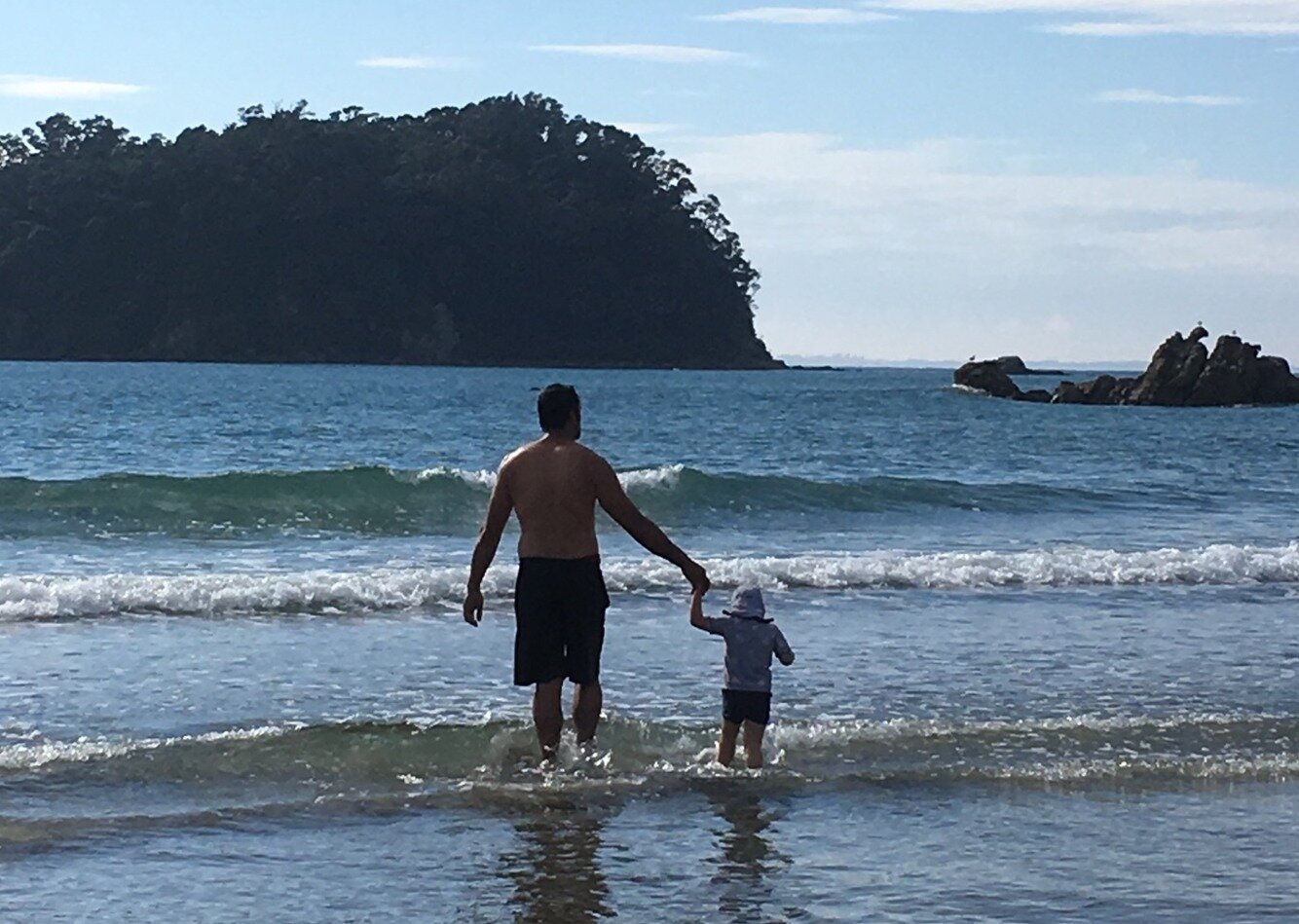
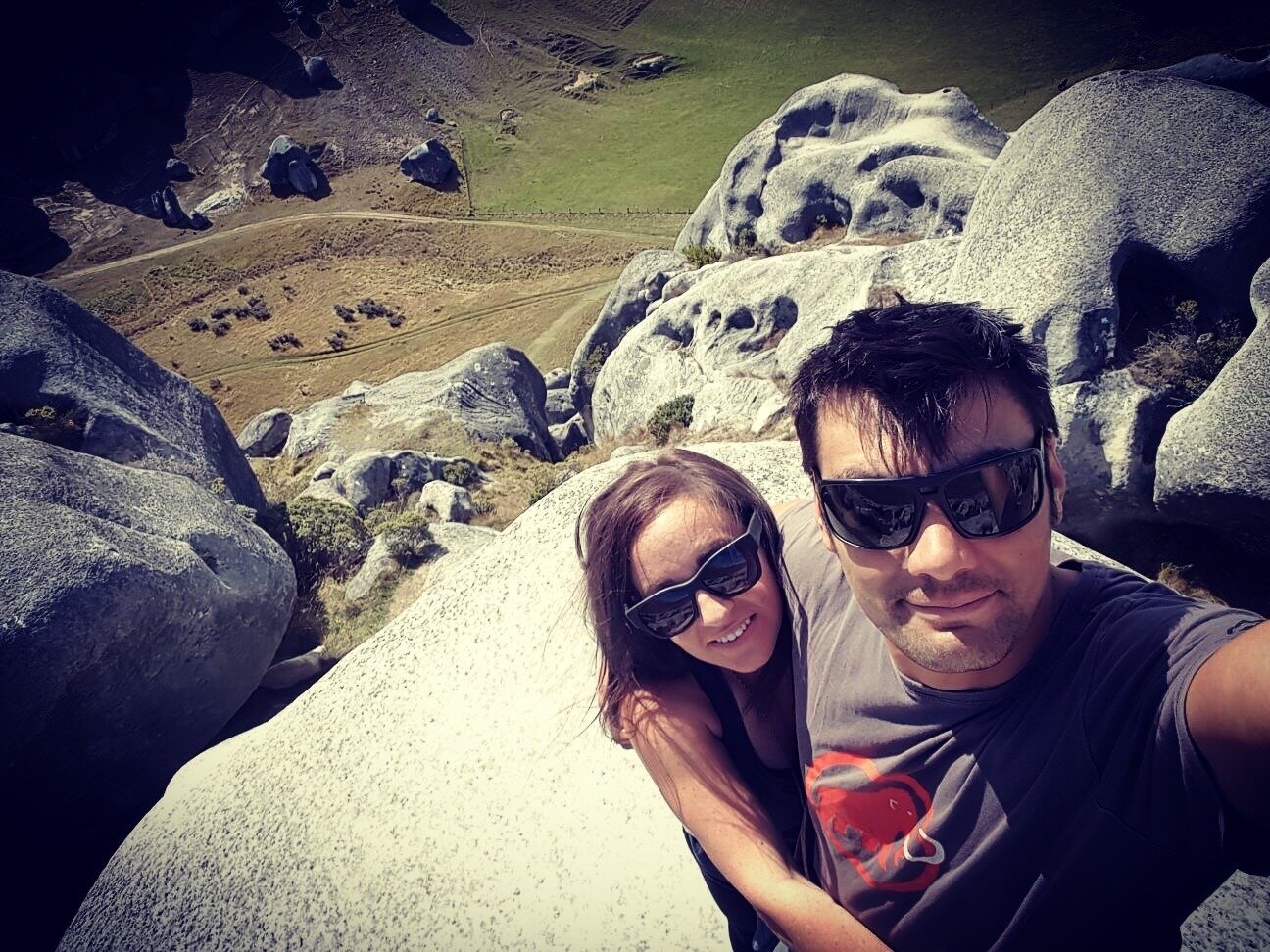
He was a highly-regarded NZSAS soldier and a father, aged 30 when he died.
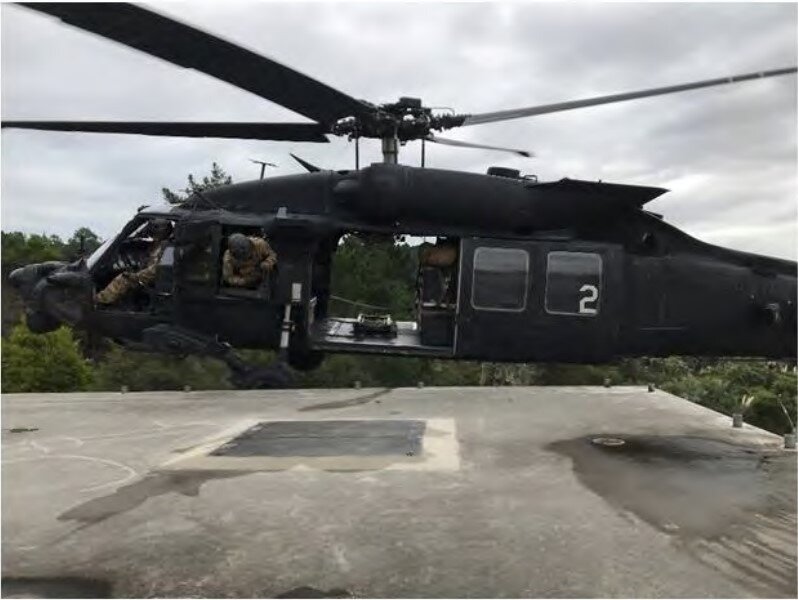
The exercise involved a US MH-60M Black Hawk helicopter approaching the roof of a training building using an insertion technique known as a “wheel bump”.
The technique has the helicopter hover and rest a wheel against the roof edge to allow soldiers to step off.
New Zealand military aircraft are unable to carry out the technique.
It was the first the NZSAS attempted the technique in formal training and it has not been attempted again since.
Contrary to the regiment’s “crawl-walk-run” training protocol, it was carried out without the soldiers first rehearsing the tactic, at night in full combat wear.
Kahotea fell to his death as the helicopter hovered alongside the roof. Multiple inquiries have found differing reasons for his fall.
NZDF’s Court of Inquiry identified multiple failures, including shortcomings in risk identification, governance and how its forces integrated with foreign forces using unfamiliar techniques.
Recommendations included army-wide actions and NZSAS-specific measures, including developing a formal training package for insertion techniques.
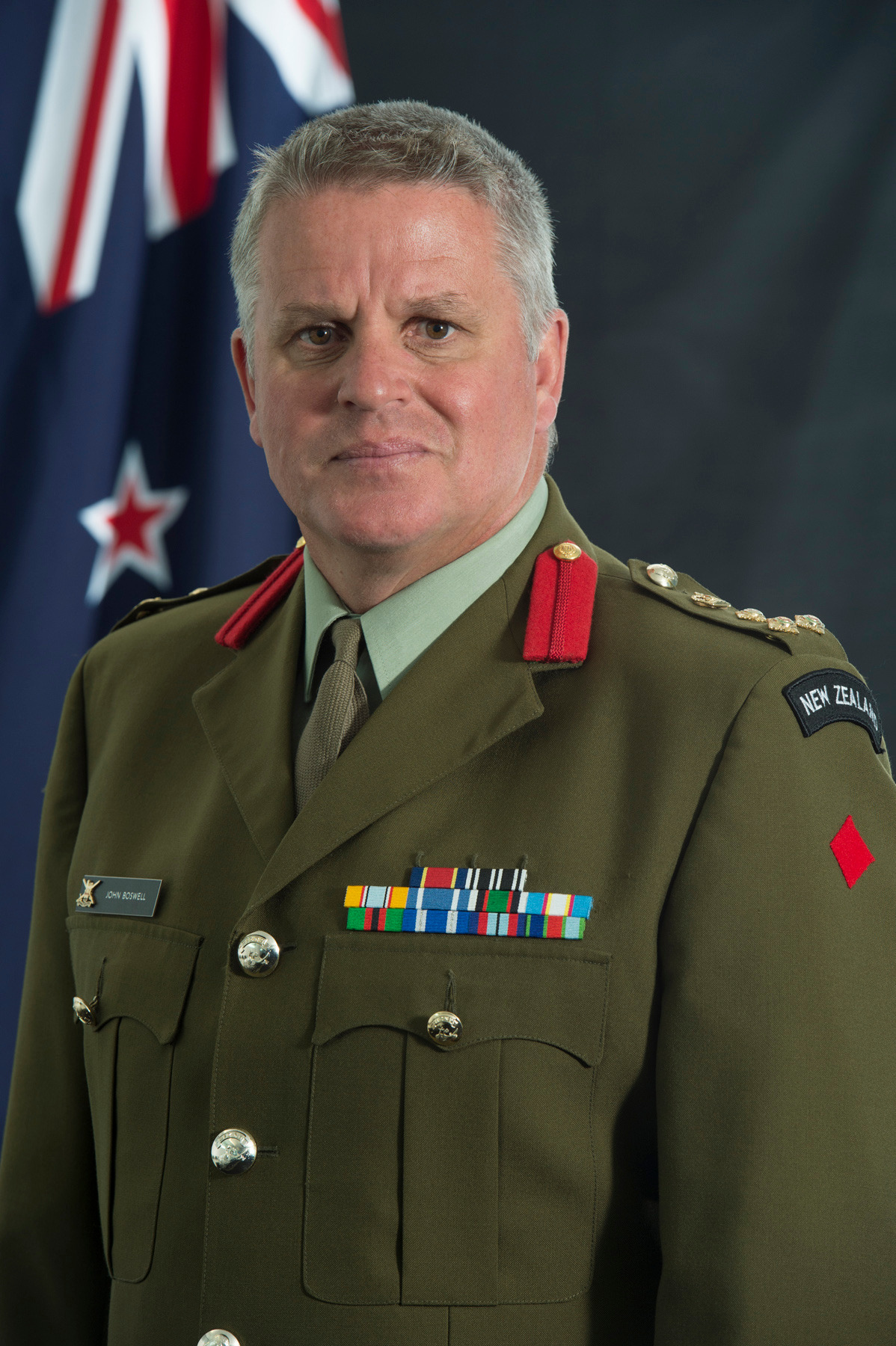
Then-Chief of Army, Major General John Boswell found the US helicopter moved away from the building, opening a gap at the moment Kahotea attempted to exit, and said this movement likely contributed to the fall.
But a US military inquiry cleared its helicopter crew and concluded Kahotea likely tripped on a protruding metal stanchion on the roof edge as he stepped off the aircraft.
The lack of clarity around how Kahotea came to fall will be one task for the coroner.
But Kahotea’s whānau also wants to know why the highly-trained elite soldiers departed from normal practice to carry out a novel manoeuvre they had no risk management processes or systems for.
‘Serious harm in training’
The Herald started asking questions about the safety of army training in August 2024 when investigating Courts of Inquiry involving NZSAS training incidents that left soldiers with serious injuries.
The injuries were sustained by NZSAS soldiers in two exercises – one involving a vehicle exercise in 2022 and the other in 2023 involving a newly-selected NZSAS soldier learning search and evasion techniques.
The Herald asked NZDF if there was an issue with NZSAS training, given the two incidents and the deaths in training of NZSAS soldiers, Sergeant Wayne Taylor in 2017 and Kahotea in 2019.
In response, NZDF sent a statement in which assistant Chief Army Training Colonel Aidan Shattock revealed the existence of the Army Safety and Training Review (ASTR), saying it was ordered by Chief of Army Boswell “in response to a number of events of serious harm in training”.
The statement said the review was completed in 2021 and led to the army setting up the Training Branch of Army General Staff in December 2022 “to address doctrinal and process shortfalls identified through the review”. From there, Boswell ordered our army to align with the Australian Training System leading to the co-operative “Plan Anzac” in 2023.
But efforts to discover more became difficult when the Herald asked through the Official Information Act for the ASTR documents.
NZDF refused, saying there was no single “standalone document” and the information was “withheld in full … as making this information available would be likely to prejudice the defence or security of New Zealand, and the international relations of the Government of New Zealand”.
Further questions from the Herald included asking if the “multiple incidents” included the death of Kahotea.
In response in March 2025, Brigadier Grant Motley – NZDF’s chief of staff – wrote: “The training exercise during which Lance Corporal Kahotea regrettably died was not one of the number of events of serious harm in training that Colonel Aidan Shattock was considering in the context of the Chief of Army initiated Army Safety and Training Review.”
That statement stood until a complaint to the Office of the Ombudsman led to the release of new documentation on December 19, which said the death of Kahotea was one of the triggering cases.
The Herald asked NZDF to reconcile its statement with the documents.
In response, NZDF said through a spokesperson: “The subsequent response in the March 2025 OIA response was incorrect, and should have made it more clear that the training exercise during which Lance Corporal Kahotea regrettably died was one of the number of events of serious harm in training that Colonel Aidan Shattock was considering in the context of the Chief of Army-initiated Army Safety and Training Review.”
‘Comprehensive safety review’
The new documents showed the army’s issues with training and safety were system-wide.
Key documents showed Boswell, then Chief of Army, ordered a “comprehensive safety review” in September 2020 having considered “the findings of several Courts of Inquiry and recent injuries sustained by some NZ Army personnel in both training and support activities”.
Boswell wrote there were “increasing concerns regarding … gaps in safety policy”.
At the time, Kahotea’s death was still an active issue and Boswell had a key role as the “assembling authority” overseeing the Court of Inquiry beyond the end of its evidence-gathering stage in June 2020 through to closing the fact-finding process in August 2021.
In ordering the “safety review”, Boswell was concerned about new or refreshed capabilities and training undertakings that went beyond the scope of Defence Force Orders – the military’s binding internal rules that govern how it operates and makes decisions.
There were, he said, what appeared to be repeated gaps between what the safety rules said should happen and what was actually happening in training.
Boswell explained the officer responsible under the law – himself as Chief of Army – “must either eliminate the risk or minimise the risk so far as is reasonably practical”. His concern was that the army’s safety rules might not meet the legal standard required by the Health and Safety at Work Act.
By Boswell’s order, the review was to be deep and incisive, identify rules that didn’t work, find out why and explain why soldiers and commanders were not following the rules.
He wrote he intended it to give the army “an improved understanding of its training safety risks”. It would develop “effective controls and mitigations for risks identified as being of immediate concern”, and had improved “risk management”.
It would also, he said, be able to provide “enduring analytics and performance measurement”.
What the army found
The review began with the office of the Inspector-General of the Army, at that time Lieutenant Colonel Laura Cranston.
She cited the death of Kahotea as one of “a number of significant incidents that have resulted in serious harm and, sadly, the death of NZ Army personnel” in the previous two years.
Her November 2020 report highlighted three incidents she said had common factors:
Her findings were that there was no single “critical” risk but “system-level weaknesses”. Those were revealed through gaps that made it “difficult to predict where the system may fail and result in a training safety event”.
The review found major gaps in training safety policy with entire sections missing and whole areas of army activity – including medical, logistics, intelligence, signals and command support – not covered in the relevant sections.
It said policy that did exist was often hard to locate, with no clear central list of final rules, drafts, waivers or timelines, and no clear senior-level governance, leaving an “unknown, unquantified” level of risk from omissions.
Cranston said inquiries had highlighted an “experience gap” and offered an example. Soldiers could be taught to plan and instruct a grenade activity to Level 2, which meant they were “taught but not tested”.
They would then be sent back to their units and be expected to run live grenade training despite never having done it, never being assessed to job standard and sometimes without consistent workplace supervision.
By April 2021, the ‘R’ in the ASTR shifted from “Review” to “Regeneration” in a project brief signed off at the army’s most senior levels.
It said: “The NZ Army training system is now fundamentally unfit for purpose and requires a comprehensive regeneration to ensure best practice training is conducted to meet outputs and prepare for contingencies.”
It described problems at tactical, operational and strategic levels, in which there was no consistency in training outcomes, while safety controls and expectations varied between units and activities.
On an operational level, the training system was a blend of legacy and evolved arrangements that were hard to access, difficult to understand and inconsistently applied.
On a strategic level, it said the army was a small, professional organisation that had experienced years of operational change and centralisation. It said it lacked the capacity to maintain training and safety publications to international best-practice standards without more clearly-defined training systems.
The regeneration “project brief” crafted a high-level governance document describing the Chief of Army at the top of the chain and the Deputy Chief of Army, Brigadier Matt Weston, as having hands-on responsibility for meeting a deadline for completion of December 2021.
Despite the description of being “fundamentally unfit for purpose”, NZDF last month offered a different view.
In a statement attributed to the Assistant Chief of Army (Training), Colonel Paul Hayward, NZDF said: “Characterisations that the army training system as a whole was fundamentally defective or unfit are incorrect.”
Hayward said while “elements of the system required remediation”, the training system “continued to function and prepare personnel for operations”.
When the Herald sought clarification, NZDF said the 2021 ASTR project brief “was a subjective opinion of staff officers and reflects ‘free and frank’ internal advice, not an organisational position”.
NZDF’s statement said “were the whole training and safety system to be ‘fundamentally unfit’”, then Cranston’s report would have “raised systemic concerns to a much higher degree”.
The Herald has raised with NZDF the system-wide issues raised in Cranston’s report. NZDF has yet to respond.
The ASTR project was closed in April 2022 when the Army Leadership Board concluded it was no longer a stand-alone project. NZDF said its work was broken up into multiple streams and became “business as usual”.
Meanwhile in court
As the army sought to understand and fix its issues with safety in training, it was facing prosecution over Kahotea’s death.
WorkSafe began investigating Kahotea’s death immediately after his fatal fall, quickly identifying issues with planning, risk assessment and execution of the exercise, and concluding NZDF failed to adequately identify and control the risks associated with a helicopter “wheel bump” technique.
In 2020, WorkSafe laid a charge alleging NZDF failed to ensure the health and safety of workers and, as a result, caused Kahotea’s death. The prosecution would have carried a maximum fine of $1.5 million.
Heard first in the District Court, NZDF argued the Health and Safety at Work Act did not apply because the training was exempt from the law.
It said training needed to expose operators to realistic domestic and expeditionary scenarios, while adhering to its own army and unit safety-in-training processes.
The hearing on June 18 2021 was after the army’s own finding that its safety in training process was “fundamentally unfit for purpose”.
WorkSafe has confirmed to the Herald that it did not receive – and did not seek – the army’s internal review.
A spokesperson said: “WorkSafe considered we had sufficient evidence to meet the test for prosecution at the time NZDF was charged. It appears the reviews were completed in 2021 and subsequently.
“As the findings did not exist at the time WorkSafe made its charging decisions, it is not possible to comment on their relevance to those decisions.”
Judge Jane Lovell-Smith rejected NZDF’s position, ruled the fatal exercise was training, not an “operational” activity as required in law, and NZDF’s attempt to use a broad counter-terrorism exemption to exempt itself from health and safety law went further than the legislation allowed.
At the High Court, Justice Tim Brewer – a former director-general at the Reserve Forces with the rank of brigadier and now the Inspector-General of Defence – upheld NZDF’s reliance on the Chief of Defence Force’s declaration exempting the training from prosecution.
Brewer made clear the case was not about whether the training was safe, but about whether the law exempted it from prosecution. And, by his ruling, it did.
For Kahotea’s whānau, it closed a pathway to accountability. Now, only the inquest is left.
Fighting for the evidence
Tracking and tracing the army’s safety in training review was difficult.
Despite the Chief of Army’s instruction at the outset that the end state would provide “enduring analytics and performance measurement”, it has proved difficult to establish what the outcomes have been, and whether, years on, it has made a difference.
A March 14 letter from Motley said the “ASTR was a process that took place over a number of different work streams”.
“Associated documentation is not held in a single repository,” he said.
“No list of titles of existing reports exists, nor does a summary report of the totality of the ASTR work.”
Along with there being no central repository of the project, Motley said there was also “no central document regarding the recommendations that were made”.
He said there were recommendations that had been adopted “based on their straightforward nature or the urgency required” but the fundamental consequence of the ASTR was to set up the new training and doctrine Army G7 branch within Army General Staff.
Motley said the Herald’s request for any information received or sent by the Chief of Army – the commander who ordered the ASTR – had also come up with nothing.
“Despite reasonable searches of the NZDF email archive, and a manual search of the then Chief of Army’s inbox, no relevant communications have been found.”
Hayward said the army operated in inherently hazardous environments and must never be complacent about the effectiveness or safety of its training system.
He rejected characterisations the army training system as a whole was fundamentally defective or unfit, saying that while elements of the system required remediation, it continued to function and prepare personnel for operations.
He did not directly address the wording of the internal Army Safety and Training Regeneration project brief or the Inspector-General of the Army review.
NZDF acknowledged that the evolution of the work on the ASTR, the use of different titles, and the existence of earlier and later reviews contributed to fragmented management of related information for Official Information Act purposes.
On safety performance, NZDF said serious army training-related injuries notifiable to WorkSafe had more than halved since collective training resumed after Covid-19 disruptions, falling from 16 in 2022 to seven in 2025, and that there had been no army training deaths since 2019.
Hayward said the army training system was a “system of systems”, and that it was not possible to attribute the absence of fatalities to any single set of reforms.
In reporting on safety and training, the Herald sought to understand the impact on personnel by seeking data on the number of people who had died or been injured in training. NZDF did not have the information available in March 2025, when the Herald first reported the thwarted WorkSafe prosecution.
It said it was unable to extract serious injuries prior to 2020 and – although it could show 127 people had died after combat deaths were accounted for – it did not have data showing the causes of death.
Of the 127 people who had died over the 20-year period, 78 were army personnel. It said: “It is not possible to draw conclusions with the available data.”
Back then, the spokesperson said NZDF was upgrading “reporting tool software” so as to “provide improved information collation and dissemination relating to safety improvements”.
The Herald asked last month if it was now possible to extract that data.
A spokesperson said: “The software has not yet been installed so the information is not readily available.”
The inquest into Kahotea’s death begins on Wednesday in Auckland.
David Fisher is based in Northland and has worked as a journalist for more than 30 years, winning multiple journalism awards including being twice named Reporter of the Year and being selected as one of a small number of Wolfson Press Fellows to Wolfson College, Cambridge. He joined the Herald in 2004.
Sign up to The Daily H, a free newsletter curated by our editors and delivered straight to your inbox every weekday.