Losing Ashley: Search stopped and police went home, leaving parents of missing teen alone on beach
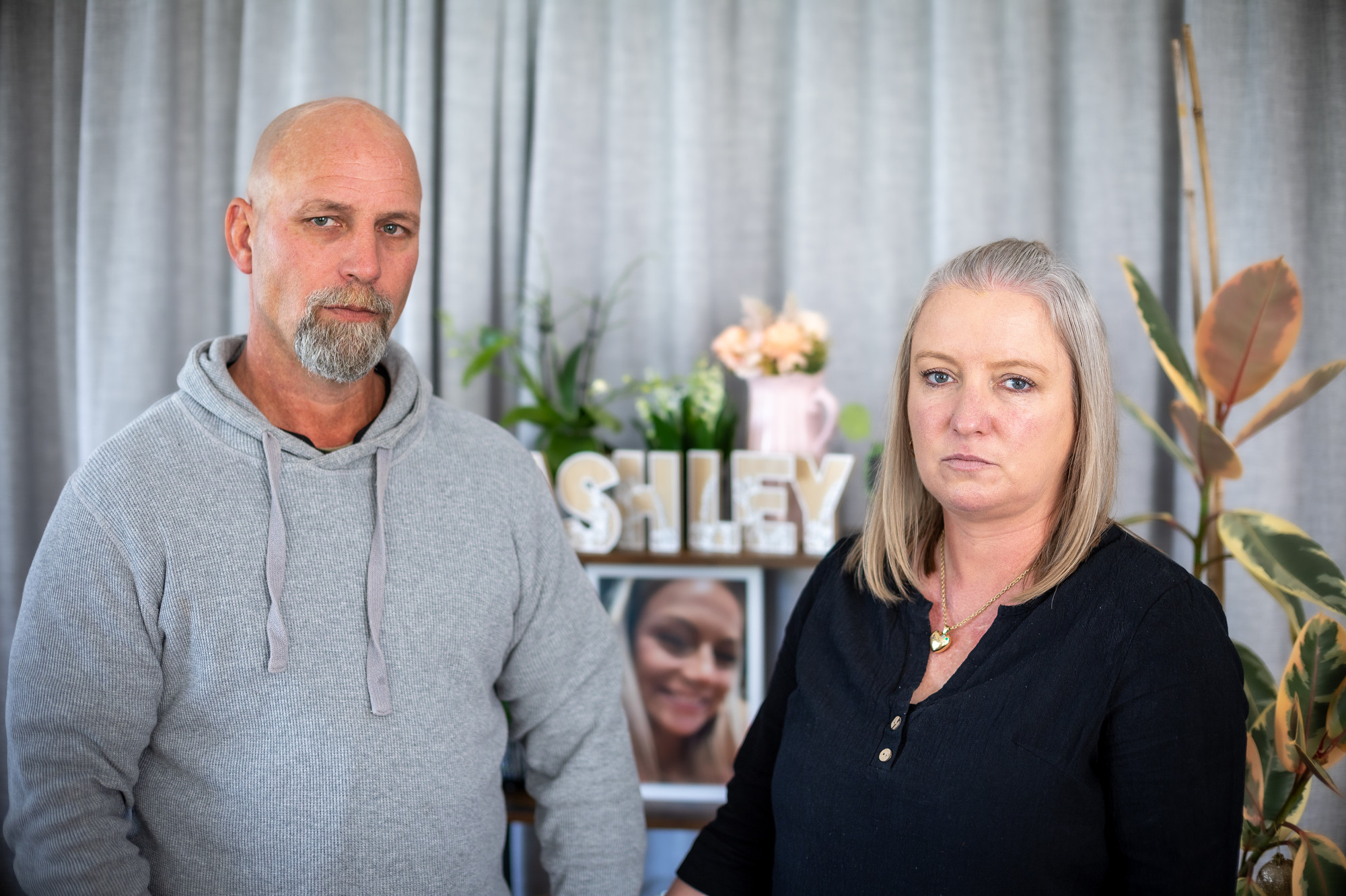
Gary and Danielle Wickman arrived at the beach where their daughter Ashley, 18, went missing in time to see the search helicopter fly away. And then police left. They told senior writer David Fisher of their longest night - and the failings they believe may have robbed Ashley of a chance at life.
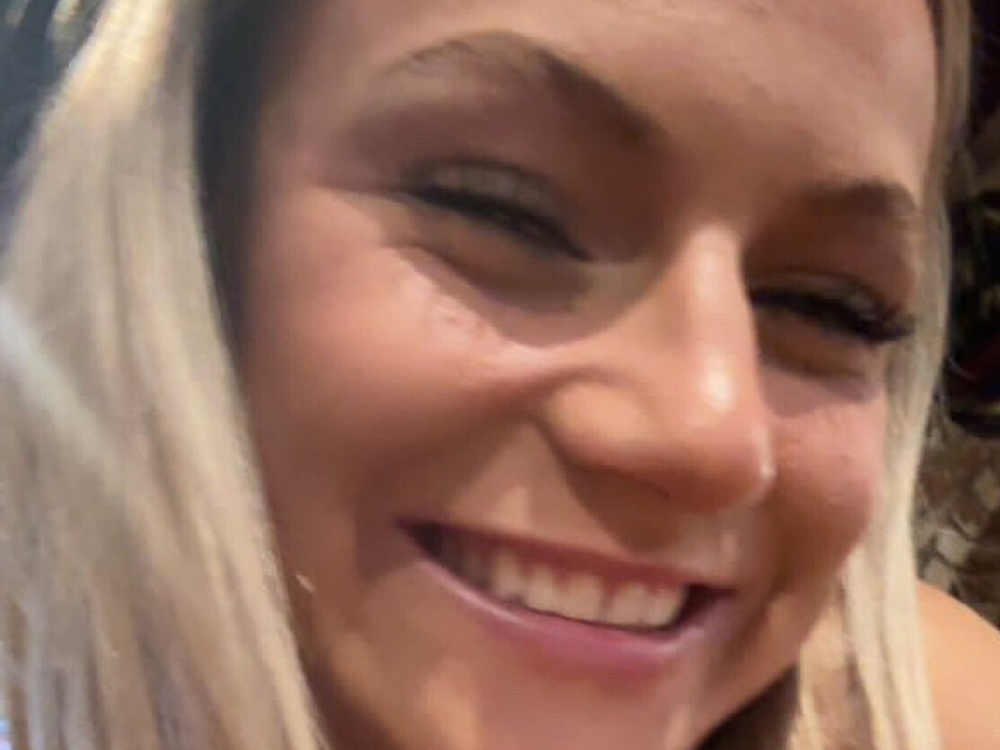
Ashley Wickman went into the surf around midnight at Uretiti Beach in Northland.
“I’m just going to catch a wave,” a police statement later recorded her saying to the three other teenagers she left in the shallows.
Ashley was found dead 12 hours later, 6km out to sea. That was November 30, 2024. She was 18.
Ashley was a second child for Gary, 49, and Danielle, 42, and their first daughter. It’s 20 years since she came into their life.
Gary and Danielle know Ashley did not make a good decision. She had been drinking and went into the sea at night.
But they say the response that followed left them with a second wound: police first went to the wrong place, the helicopter response was delayed while Eagle was checked, the night search ended within hours, and they say they were left alone on the beach until daylight.
And after Ashley was found dead?
Delays in providing information, the accidental disclosure of another drowning file, and revelations about who was involved in search decisions – these factors deepened their belief that only an open inquest can answer what happened after Ashley disappeared.
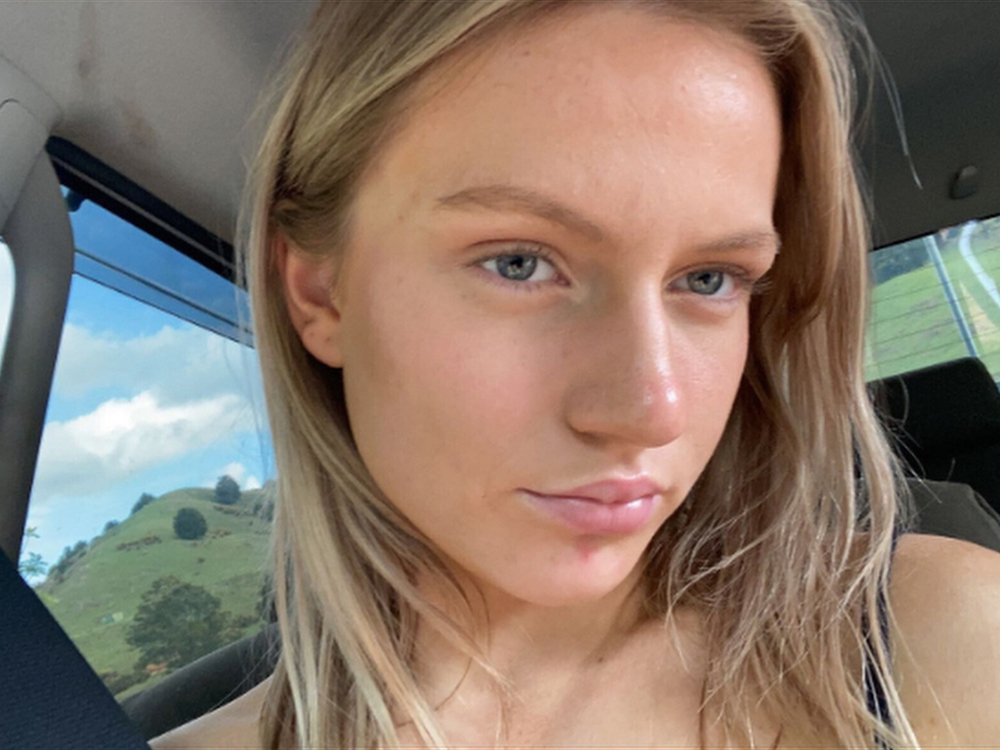
Ashley died aged 18 years, six months and two days. She grew up around Titoki near Mangakahia in the mid-North, then out the back of Hikurangi for the last decade. She was a doting daughter and a typical girl in so many ways.
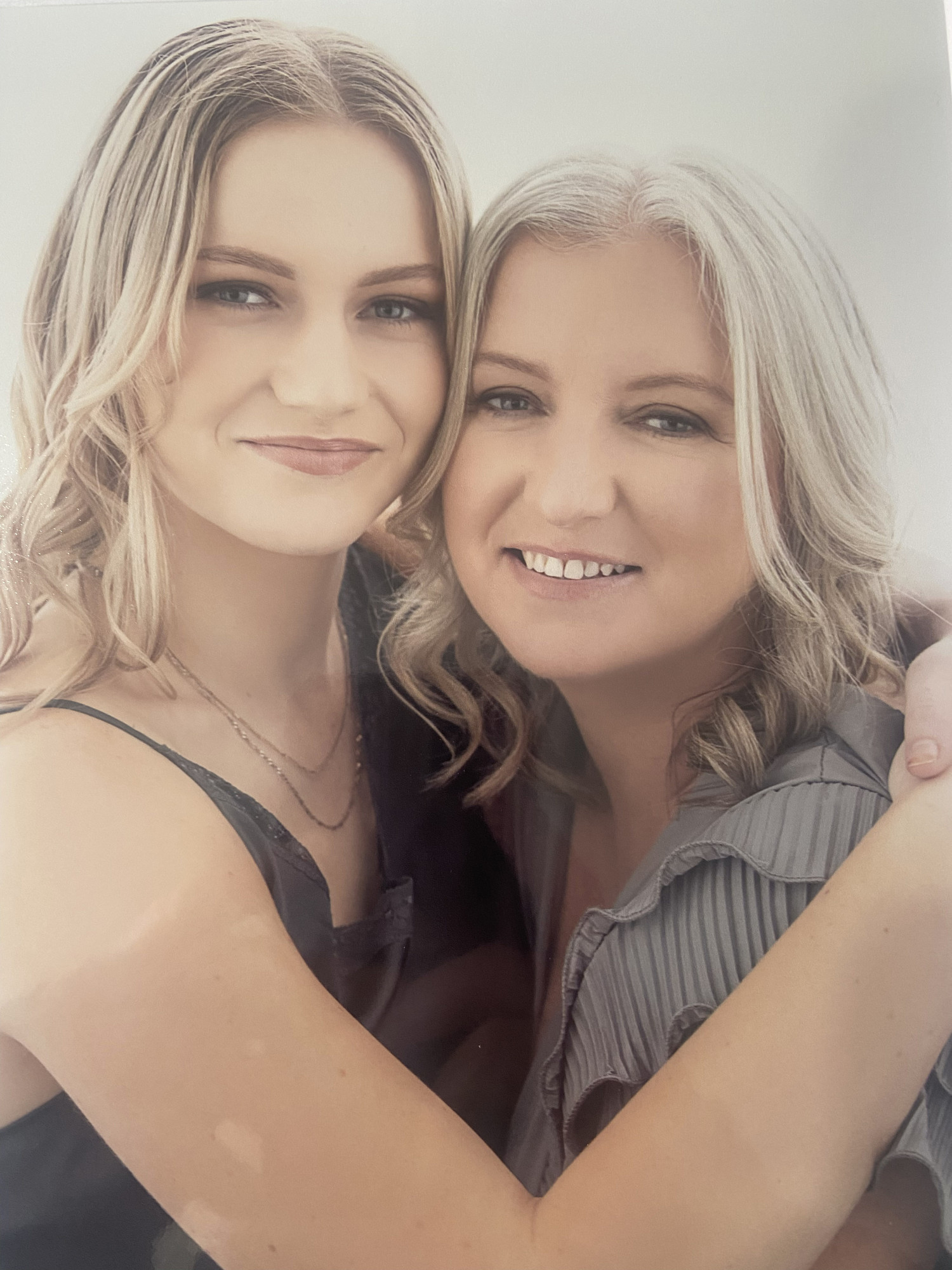
She went hunting with her dad, told everyone her mum was her “best friend” and played hockey on Danielle’s social team.
“She was the glue. She was the one who organised birthdays, Mother’s Day, everything. She was that person in our family,” Gary said.
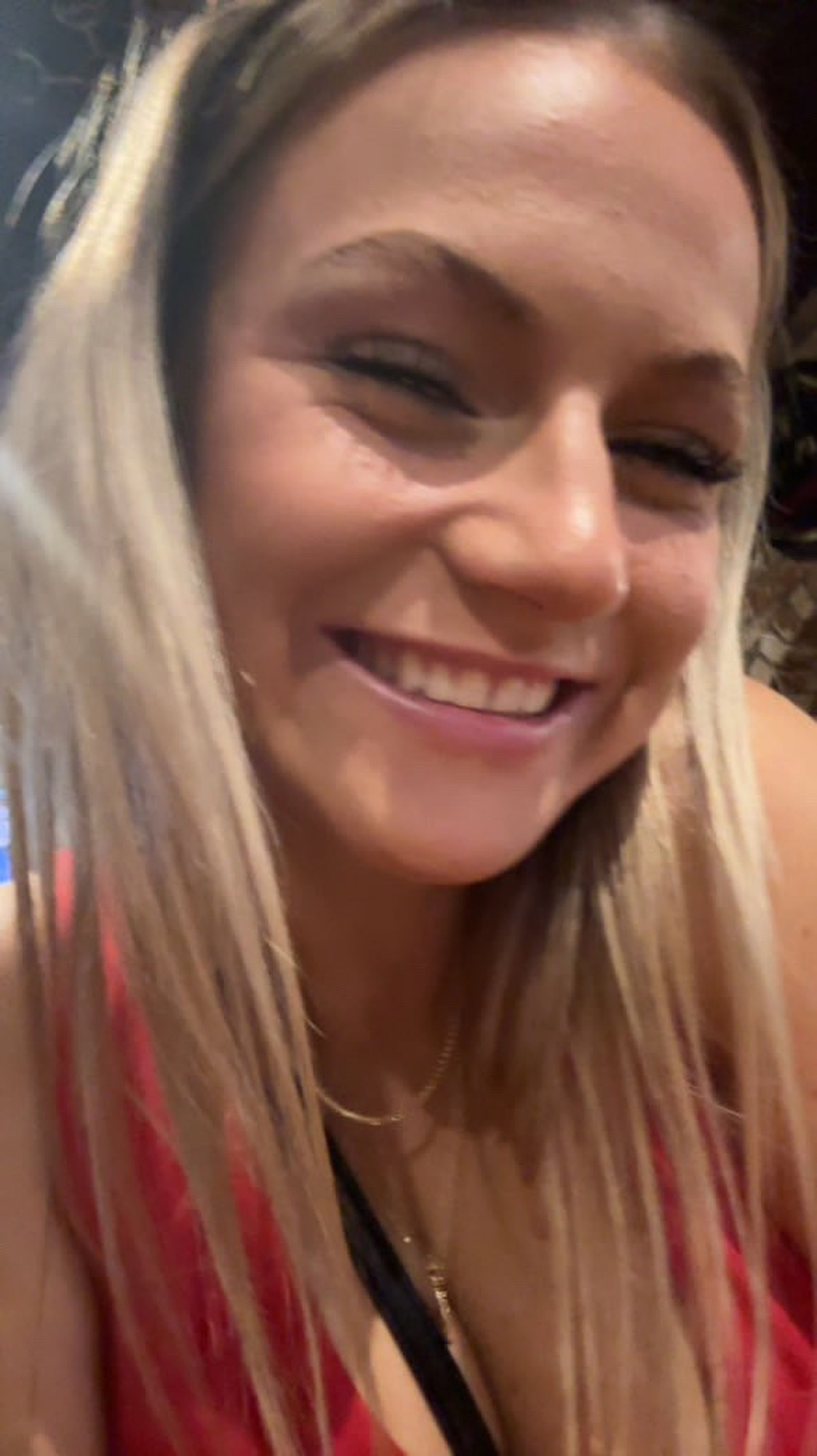
Eighteen months after her death, Ashley is still present. She is never more than a half-thought away from her parents; images of Ashley smile out from a flower-laden set of shelves.
When speaking with the Herald, Gary called Ashley a “good person” more than once. What he meant was his girl was a better person than he was. He was so proud of who she was and who she was meant to become.
Most recently, that was a dentist. In 2025, Ashley would have been heading to Otago University. “She had her flat and everything sorted,” Danielle says.
As she waited, she worked at Bunnings and saved.
And she did the things that Northland teenagers do, like go to the beach at night with mates, have a few drinks and swim under the stars.
“It’s not us blaming police for the situation she got herself into. It’s what happened after that,” Gary says.
He claims there was “a lack of leadership that night ... because the leadership went back to bed”.
‘I’m just going to catch a wave’
Ashley worked until 9pm the night she went missing. Ten minutes before finishing, she rang to tell her parents she might not be coming home that night.
“We just thought she’d gone back to her friend’s house. Even if I’d known she was going out to the beach, would I have said, ‘Don’t go for a swim?’. Probably not,” Gary says.
“I wouldn’t have thought of it as a danger. We just went to bed and went to sleep.”
Ashley went to hang out with a former school mate and fellow Bunnings worker Bella. She drank wine and Bella drank craft beer until about 10.15pm when they were collected by two male friends – Jess and Hans – for a trip to the beach.
Hans recalled music streaming off Ashley’s phone. “We were all singing and happy. We were very loud,” he recalled later.
About 30 minutes south of Whangārei, they took Tip Rd down to the coast and spent an hour driving along the beach and through the dunes before stopping to hang out.
Talk turned to swimming and the teens headed into the water.
Jess knew the beach. Yes, there was a rip but only when the surf was high and that night it was not. The teens marveled at the bioluminescence and the still, clear night.
Hans later described Ashley walking deeper into the water. He stopped when the water reached his shoulders. Taller than he was, he reckoned Ashley would have touched the bottom.
The three teens called after Ashley not to go too far. Hans later said Ashley was laughing.
“She was happy and saying, ‘It’s okay’.”
She kept walking further – Hans could see her silhouette, her head and hair, arms above the water.
“It was not like she was frantic or anything like that. I remember her saying, ‘I am just going to catch a wave in’.”
The 111 call
Just after midnight, the 111 emergency operator speaks with Jess, an edge of panic to the young man’s voice.
“Hey there. I’m just on the beach … in Waipu area,” Jess told the operator.
“We went for a swim and one of our friends has gone missing ... we kept calling her back and she just kept swimming out and she just didn’t come back, and we can’t see her now.”
It’s been five minutes, he said, giving the location about 600m north of the Waipu River mouth.
By the time the call was finished, Northland’s search and rescue controller Detective Sergeant Ryan Cooper had been notified.
By 12.10am, Cooper had called Coastguard for help at the Waipu River mouth. When Cooper calls the control centre to find out who’s working, he’s told two police officers are already on their way.
Those two officers were based at Maungaturoto in Kaipara district, about 20 minutes’ drive away.
They weren’t specialist search officers and had already worked a 10-hour shift but responded to the call in a district difficult to police. It’s long and thin with two coasts, almost 7000km of roads and nearly 13,000 sq km from Kaiwaka to Cape Rēinga.
They were sent to a beach on the south side of the Waipu River mouth about 25 minutes after Ashley went missing. It was the wrong place. Then, with the right location, they headed for the Tip Rd entry to Uretiti Beach.
The teens on the beach saw the police arrive and flashed the ute’s lights to catch their attention.
At 12.28am, Cooper calls Inspector Maria Nordstrom to request the Northland Rescue Helicopter (Nest) and is told to check first if the police’s Eagle helicopter is available. Ten minutes later, he calls back to say it’s not. Approval to call on Nest is given.
Cooper logs the request for support with Nest at 12.41am and at 12.45am gives co-ordinates for a search 400m north of the Waipu River mouth.
Typically, it takes 20 minutes to get the helicopter in the air. “Chuck on the lights” when arriving, he says, so the helicopter can locate the officers on the shore.
At 12.58am, Cooper is told Waipu Surf Life Saving will launch an inflatable rescue boat and an ATV to search the shoreline.
That was about the time Danielle woke to the sound of her mobile phone vibrating.
Of the hour just gone, they knew nothing. When they did, they counted every precious minute of what they saw as delays: police at the wrong beach, the approval process for the helicopter, not using Eagle which would likely have been airborne at the time, the time it took the Nest helicopter to get in the air.
The 1am phone call
Danielle heard the phone vibrating and thought, “Oh no”. It likely meant Ashley wanted a ride home. Gary stirred, thinking the same – “girl drama”.
It wasn’t Ashley, but a dad of the young woman remaining on the beach.
Minutes later, they were heading down their quiet country road in Gary’s Toyota Hilux 4WD. It was an urgent drive south. Danielle called police to let officers know they were coming and was asked to wait at the car park above the beach.
It was about 2.10am when they arrived and spoke to police.
Among the first questions Gary claims he was asked was whether Ashley was suicidal. Already rocked by her disappearance, the question seemed perverse at the time.
“I remember feeling quite offended. She wasn’t and never had been. What difference does it make if someone is suicidal or not? Someone is missing in the water.”
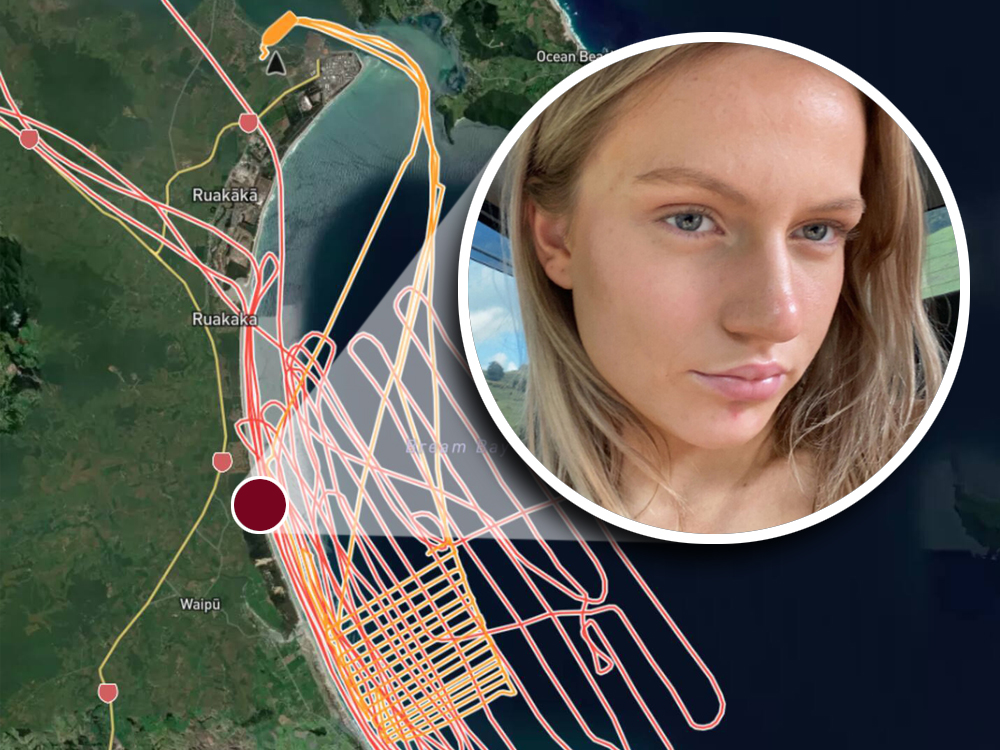
Down at the beach, the couple tried to get a handle on what was unfolding. Offshore, there were lights on the sea and in the sky. The Nest helicopter and the Coastguard boat were searching offshore. Closer in, an inflatable scoured the shoreline.
A later study of that search pattern raised questions for the Wickmans over whether searchers were looking in the right place. The area Ashley went into the water is at the outer northern edge of the search grid.
Karl Taylor of Northern Rescue – the company that operates the Nest helicopter – told the Herald the four crew members who set out on the aerial search that night followed a search area set by police.
The Wickmans later raised concerns about the Eagle not being sent. It could have got there faster and had infrared search equipment which Nest did not.
Taylor said those involved had helmet-mounted night vision goggles and high-powered search lights, along with a winch that could be used to bring in someone found in the water.
He said “forward looking infrared” – the Eagle tool – wasn’t always an effective tool when searching at sea because wave height, sea temperature, and time in the water could defeat it.
The added absence of the tool “should not be interpreted as indicating the search was compromised”.
There were other issues to navigate
Records surfaced by the Wickmans show police on the beach that night could not access the specialist rescue teams’ National Liaison Channel so could not communicate directly with the searching helicopter or the Surf Life Saving inflatable.
A Search and Research debrief document revealed coordination was further hampered as Cooper was managing the rescue without radio access.
The Wickmans discovered this later.
Fresh to the beach, they drove towards the Waipu River mouth, about 600m south, and back trying to understand where Ashley had disappeared and what was being done to find her.
“About that time,” Gary says, “the helicopter disappeared.”
That was 2.20am, after an hour of searching. And then around 3am, the police left.
The officers stopped to let Gary and Danielle know the search would resume in the morning. “I’m standing there f***ing stunned and still hoping it’s teenage drama,” Gary says.
He claims one of the officers said to him: “I know mate, I know”, then got into a police vehicle and left.
“He doesn’t f***ing know and I hope he never does,” Gary says.
Police documents gathered by the Wickmans included a debrief with one of the two officers on the beach that night in which he said “it didn’t feel right leaving the family there”. He wrote: “The reality of rural police is that there is no one to cover the next shift if we had remained there in a support role.”
Gary and Danielle, left at the beach, sat staring at the dark sea that claimed their daughter just a few hours earlier. Gary recalls being “stunned, in shock”.
Danielle claims: “I do remember them telling me their shift had finished three hours earlier and they were on overtime.”
Gary: “We’re not really worried about them getting tired. That was the last of our worries.”
Danielle: “Looking back now, why did we let them go?”
Alone at the beach
Just after 3am, they were alone at the beach.
Gary called his parents, Danielle her mum and her husband. They came to keep the vigil. Gary and Danielle’s eldest child, their first born, came with a spotlight – a relief as no one left on the beach had a torch.
“At least we could pretend we were looking,” Gary says.
Gary remembers saying to his dad: “I think she might have drowned.” He recalls the reply: “I think you might be right, son.”
They sat in a cluster, alone. Further along the beach there were fires and people sitting around them. Others were camping in the dunes. Some were sleeping in their cars. None, if any, knew what had happened.
“We watched it become light,” Gary remembers. “It was the longest night and gone in a flash at the same time.”
The beach came to life as dawn arrived. One man and a couple of children were setting up to surf cast where Ashley had gone missing. When Ashley’s brother walked down to tell him what had happened, he moved on apologising.
Gary: “Everyone is just going about their life on the beach. We were told searching would resume at 7am. It’s 7.30am and we’ve heard nothing. No one is there. I’m thinking ‘has anyone even told the next shift?’.”
As 8am approaches, Danielle calls 105. Nothing. She then calls Nest to see if a helicopter will be coming.
“They didn’t have a job tasked,” she claims.
Around 8.15am, her phone buzzes and it’s a woman saying the search team has arrived and they’re at the car park.
There was, again, an aerial search. This time it was a fixed wing plane, not a helicopter.
The debrief report on the search showed it was the pilot’s first while in the pilot’s seat and that he had no spotter, having to “balance safely flying the plane alongside spotting out of the left side of the aircraft”.
To Gary and Danielle, it seemed too little or too late. On the coast, Northland Land Search and Rescue had three teams of two people each searching on quad bikes while another team of two operated a drone.
It was a Coastguard vessel that found Ashley. She was about 6km out to sea right at the extent of the search zone.
Gary: “They brought my daughter home.”
He says they did a “great job with a recovery mission”, but to his mind “there was never a rescue mission”.
They followed their newly appointed family liaison officer to Marsden Point, arriving as the boat with Ashley’s body came in.
“Get out of my f***ing way,” Gary recalls pushing past. “I’m going down to see my daughter.”
They sat with the girl they had brought into the world, disbelieving. Ashore, a kaumatua started a blessing as a waiata sounded across the water. For Gary and Danielle, the prayer and song brought a sense of solemn righteousness to the worst of moments.
They followed the hearse to Whangārei Hospital. There, they saw Ashley again from behind glass lying cold and still. “I watched a tear run from her eye,” Gary says, knowing after 12 hours at sea it was simply water finding a way to leave Ashley’s body.
They waited an extra day for her body to be returned home after a paperwork mix-up for which they received a formal apology in a letter from Coronial Services.
“She just stayed in the fridge for 24 hours for no reason,” Gary claims. “It was all very casual. It felt like no one cared.”
Gary works in forestry. Falling trees are deadly. Precision is key. From the search for Ashley to looking after her remains, “it was all very casual” he believes.
“That’s what I took from it – very casual and it doesn’t matter. What we’re talking about is my daughter. She does matter.”
Tell me there was ‘no point’ - Ashley’s mum
In the aftermath, Gary and Danielle realised they knew little of what happened that night Ashley went missing.
“We had all these raging questions in our heads,” Gary says. The administrative work of death arrived and the pathologist’s report into Ashley’s death brought its own question.
In it, she was described as having nicotine-stained fingers and nicotine in her system. Yet Ashley had never smoked.
Her parents believe the stain on her fingers was from fake tan. The nicotine in her system was from a vape.
Danielle says she looked at the statement and thought: “What else isn’t right?”
Gary adds: “It’s her last legal document. It should be 100% accurate.”
It was this that prompted Danielle to ask for the police file.
That was February 2025 and the 20-day limit on Official Information Act requests went by without anything arriving. “I guess because we were normal people, we don’t really know what we’re asking.”
Eventually, the Wickmans did receive a file. It was for a different drowning and another family’s loss. In this case, Danielle was called by the name of the other drowning victim’s partner, “Bronwyn”. When she wrote back to point out the error, she won an apology – to “Bronwyn”.
Gary: “They said sorry, it’s human error. But it’s one after another after another. They have so many human errors.”
The delay was such that, in frustration, they complained to the Independent Police Conduct Authority.
They also enlisted the help of private investigator Mike Sabin – a former police officer and MP – in a bid to get the system moving.
Sabin used the Official Information Act to get further information, including statements taken from the three surviving teens. Later, he obtained recordings of the calls on the night.
Among those is Cooper talking to the helicopter dispatcher about how long would be spent searching from the air. The helicopter had arrived at 1.20am. At 1.50am, Cooper said to give it another 20-25 minutes. “There’s no point going all night,” he says.
For the Wickmans, that seemed too early to give up. “Stand up in front of me and tell me there is no point,” Danielle says. Gary: “How can there be no point? A one in a million chance – that’s your point. A good person’s life – that’s your point.”
They also learned confusion or an error in communication sent the original officers to the wrong place. They discovered the 10 minutes lost when Cooper requests the Nest helicopter be used but Nordstrom asks if Eagle is available, which it wasn’t.
Gary: “If you’re floating around and waiting for help, that 10 minutes matters.”
The teens on the beach were interviewed again by private investigators. In those statements, one of the teens recalls approaching police to ask when a helicopter would be overhead. Both young men claim the one who asked was told police were trying to work out who would pay for it.
“We would have paid for it,” Gary says.
Later Nordstrom visited the Wickmans to discuss the police response. Danielle recalls the discussion including the statement police didn’t appreciate the seriousness of the situation at the time.
Gary is dismissive of this. “If you listen to that 111 call, you know it’s serious.”
There are a slew of issues with which the Wickmans are not happy. The time taken to call a helicopter, then the delay checking if Eagle was free and the minutes that went by until the Nest helicopter finally took off at 1.10am. The search location is another. A map of the search area showed much of the effort focused between the Waipu River and the point Ashley went into the sea, 600m north.
Some of the questions they had were answered by Nordstrom. They also recall talk of a failure of leadership but don’t recall Nordstrom saying anything about being involved on the night. Nordstrom’s notes for the meeting say “there was no leadership on scene”, which caused a “disconnect” with the Wickmans, “and lack of continued support to whānau at the scene that night”.
Discovering later she was instrumental in calling on the helicopter was a body blow, they say. Gary said of Nordstrom: “She gave me a lovely hug. She was brave coming out here. She met Ashley (the flowers and photo memorial in the home), bowed her head and had a moment’s silence.
“She didn’t tell us she was involved. It was a real kick in the guts. I was very hurt by that.”
They claim Nordstrom also spoke of pressure on staffing and the need for officers to have stand down time in case they were needed in an emergency. They also claim Nordstrom spoke of similar incidents in which there were similar failings.
If there were similar failings in other incidents, the Wickmans argue it gives more strength to their call for an open coroner’s inquiry.
Northland District Commander Superintendent Matt Srhoj told the Herald police could not publicly answer questions in a case being examined by the coroner. An interview with Cooper was also specifically requested and denied for the same reason.
On Nordstrom, Srhoj said part of her job as on-duty commander was to approve “certain assets” for the search. But he said Nordstrom was not directly involved in the search, or at the scene, and “didn’t have intimate details of the search and rescue operation”.
Srhoj also said Eagle was already covered in police operating expenses so “is our preferred option when available and most suitable for the task at hand”. On what it was doing that night, police will not say.
There were two investigations that followed Ashley’s death. One came after the family’s complaint to the IPCA. Srhoj said that was carried out by a Detective Senior Sergeant based in Northland.
The other investigation was a review of information police provided to the coroner and it was this that led to Nordstrom’s visit.
“Inspector Nordstrom was not involved in investigating her own role.”
On July 16, coroner Tania Tetitaha takes final submissions on the case. Thus far, the intent is for the inquest to take place “on the papers” – a process based on written material, without witnesses giving evidence in open court.
It doesn’t involve open hearings or oral evidence, which is what Gary and Danielle want.
The word they keep using is “casual”. “Casual”, they say, is the last thing any parents want when their child is missing. They’ve talked through this so often, searching for a way to a place with no pain. There is no such place but somewhere with answers might be enough.
Sabin, a former police detective, said: “The most fundamental and solemn responsibility of police is the preservation of life - ahead of all else. It seems to me they fell short of delivering this for Ashley that night.”
The Wickmans want those suffering through their experience to find answers more easily, without needing someone like Sabin who understands the system and how to engage with it. There should be a system that automates key information going to families of those who have lost someone.
They should not, the Wickmans believe, have to scrabble for details – including paying to get interviews done with the young people Ashley was with on the beach. The new interviews filled critical details not included in the only police statements, all taken within 12 hours of Ashley going missing.
They want those involved in the search to stand and face them – Ashley’s parents – and explain why there was “no point” searching all night, or why precious minutes drifted away before a helicopter was airborne. And if that delay was about saving money.
“One way or another, Nest should have been on standby 10 minutes after the 111 call,” Gary says.
Danielle says she wants accountability. Gary wants to know why the searching stopped. Ashley knew what to do in a rip, if that’s what happened. She knew about getting beyond the tidal pull and floating on her back.
“They cannot prove she was already dead,” Danielle says.
David Fisher is based in Northland and has worked as a journalist for more than 30 years, winning multiple journalism awards including being twice named Reporter of the Year and being selected as one of a small number of Wolfson Press Fellows to Wolfson College, Cambridge. He joined the Herald in 2004.
Sign up to The Daily H, a free newsletter curated by our editors and delivered straight to your inbox every weekday.