Waikato Hospital death prompts urgent review after nine-hour ED wait
The death of a patient found unconscious after “waiting nine hours” in Waikato Hospital’s emergency department waiting room happened amid “dangerous” understaffing, according to the union representing nurses.
The Herald revealed today that a patient was found unresponsive in the waiting room toilet early this morning and could not be revived.
A hospital worker told the Herald that before the death, the patient had spent “nine hours waiting” to be seen in the overcrowded waiting room.
“He [the patient] was wheeled through the patient waiting room with a nurse on top doing CPR.”
The source said children were in the waiting room when staff scrambled to try to save the patient.
New Zealand Nurses Organisation president, Anna Daniels, said the death was an “utter tragedy”, and her thoughts were with the patient’s family.
“NZNO is extremely concerned that Waikato ED is dangerously understaffed. Nurses at Waikato ED are struggling to keep up with the sheer number of patients walking through the door,” she said.
She believed the Government’s “patch jobs” to rectify staffing issues “are not enough”, and that all EDs needed more staff to avoid a similar tragedy.
Health Minister Simeon Brown says the death will be the subject of an urgent review.
Brown wouldn’t comment on what happened before the patient’s death but referred to the event as a “terrible situation”.
Asked whether it was acceptable that a patient had been waiting nine hours, Brown said “clearly, it’s not good enough”.
“My heart goes out to the family and loved ones of the person who has died,” he told the Herald.
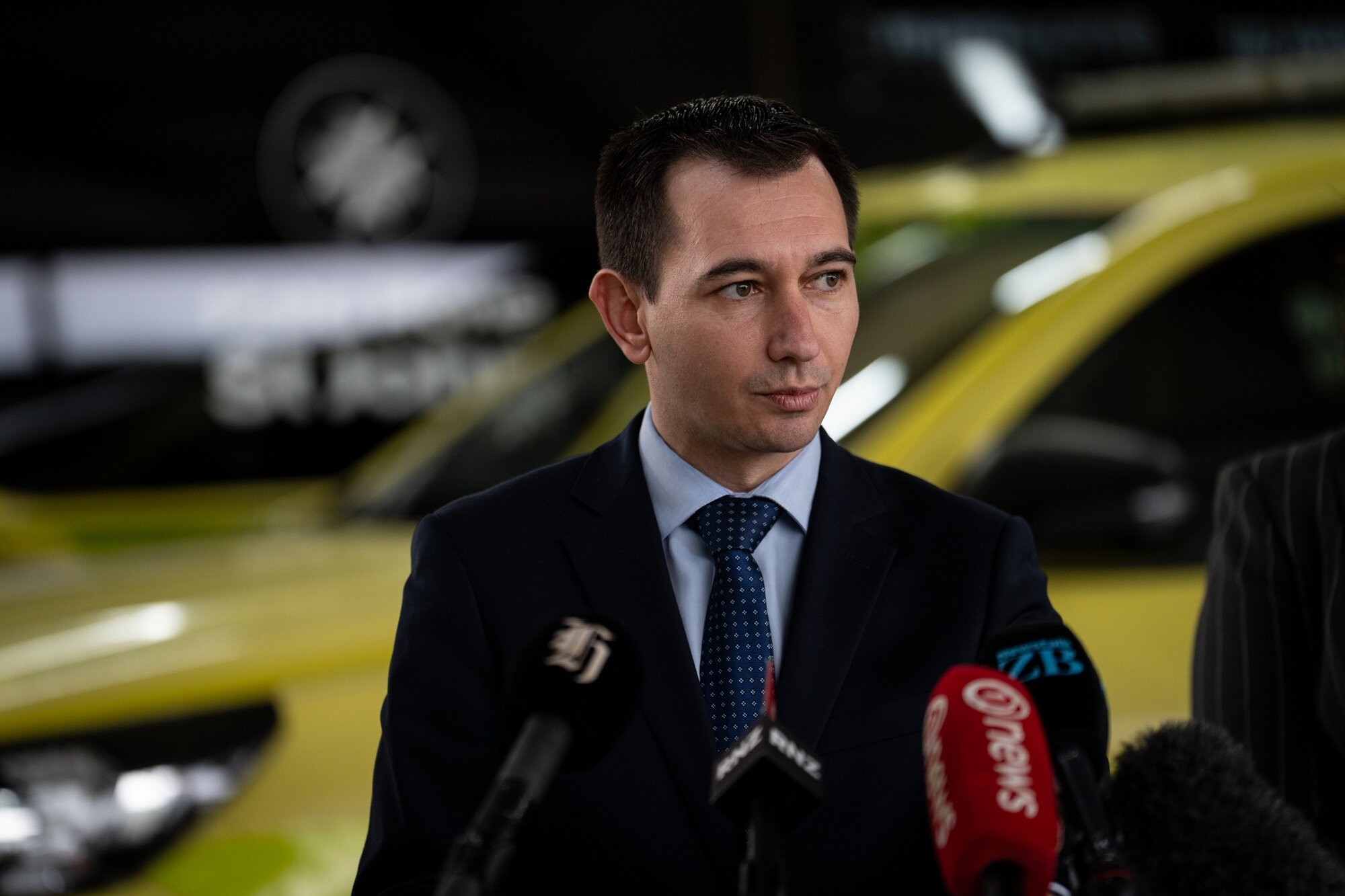
He said Health New Zealand (HNZ) will carry out a “rapid clinical review” to establish exactly what happened.
“The individual’s family will rightly want answers, and Health New Zealand has assured me that they will get them.”
Brown refused to say whether he could guarantee such an incident would not happen again.
HNZ’s Waikato Hospital medical director, Ian Martin, confirmed a “serious adverse event” review is underway and is expected to be completed “within two months”.
“We would like to offer our sympathies to the family of the deceased. We have spoken with them this morning and we are continuing to offer them support,” he said.
Martin said the patient was triaged on arrival at the ED and was later found unconscious.
“Efforts to resuscitate them were sadly unsuccessful,” he said.
Triaging involves doing an initial assessment of a patient on arrival to understand how urgently they need to be seen – but it does not mean they’re examined or assessed by a doctor.
Patients are then rated on a scale from one to five depending on the seriousness of their condition.
For example, a patient in cardiac arrest will be considered category one and should be assessed and treated immediately because of their risk of dying.
The death comes after the Herald revealed on Monday that staff had serious concerns about patient safety and long waits.
New Zealand Nurses Organisation delegate Tracy Chisholm said on June 8 the ED was overwhelmed with 300 patient presentations – the busiest she’d seen the ED in her career.
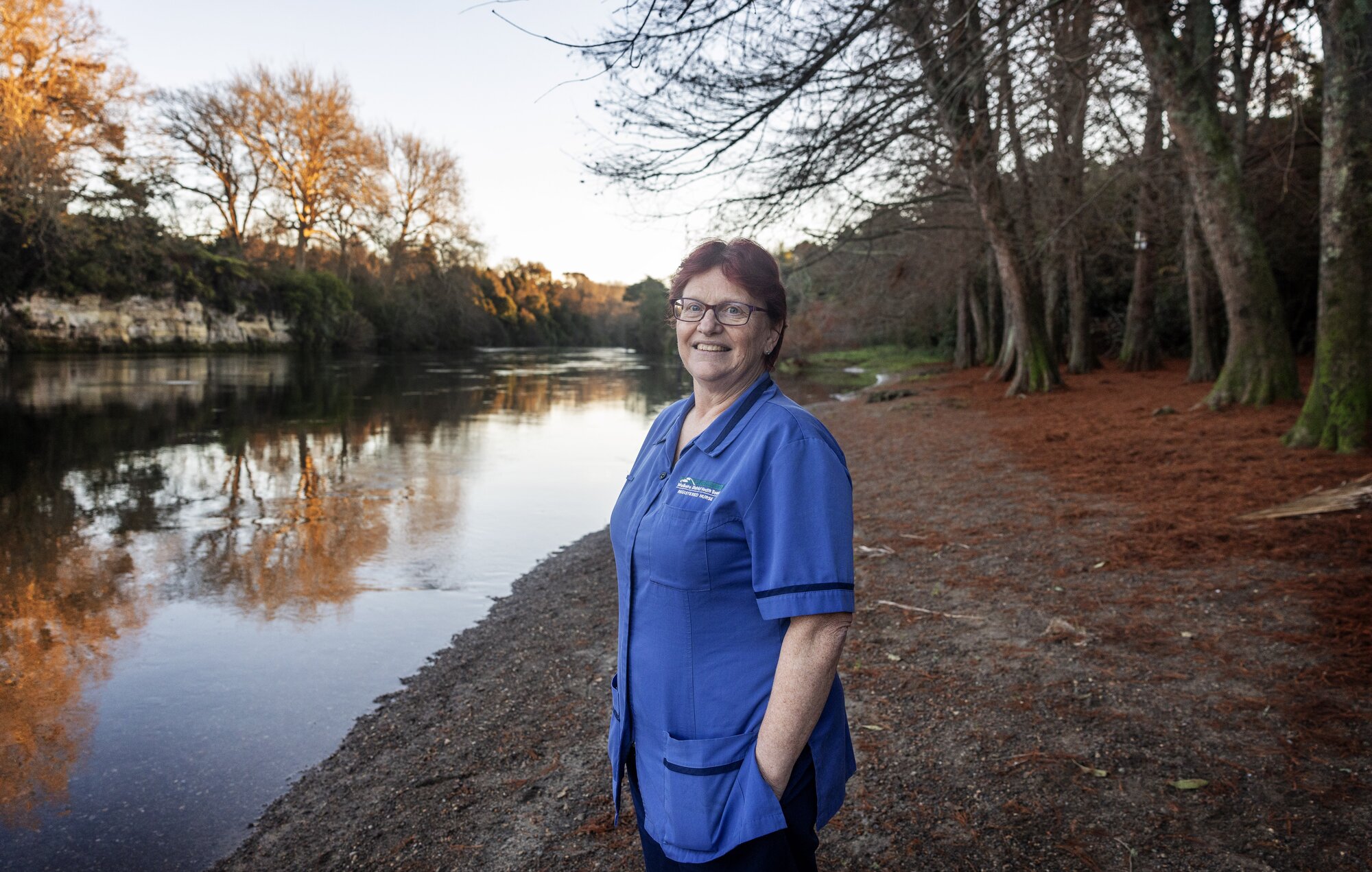
“That was the worst day I’ve seen in 18 years. It was standing room only.
“We brought out extra chairs ... and there were still people standing. It was at capacity,” she told the Herald.
Health New Zealand’s executive regional director Chris Lowry confirmed 301 patients arrived on June 8, which was “very unusual” and a number not seen since March last year.

Dr Michael Connelly, New Zealand National Council for the Australasian College of Emergency Medicine chair, said many EDs were operating at or above capacity amid “persistent” staff shortages, and “maldistribution” of staff.
He said ED overcrowding was increasing because of an ageing patient population, and ongoing issues with “bed block” – when those waiting in EDs can’t be admitted because hospital wards are full.
“Access block [bed block] puts enormous pressure on EDs and is a serious health risk to the public,” Connelly told the Herald.
Figures obtained by the Herald under the Official Information Act (OIA) show that from September 2024 to December 2025, the total number of ED staff across all 20 health districts nationally increased by 294, from 5527 to 5821.
However, while the national total, which includes corporate staff, was edging upwards, the data shows some districts saw a decrease in frontline staff such as nurses and senior medical officers.
Brown said last week that the national average across all EDs shows 74.4% of patients were being admitted, discharged or transferred within six hours.
He said the Herald’s national data on health worker numbers showed the Government was making progress.
“There are more frontline staff and more nurses working in our emergency departments than ever before, and patients are being seen and treated faster as a result,” he told the Herald.
Neither Chisholm nor Connelly believed the minister’s statement was a fair reflection of the reality.
Michael Morrah is a senior investigative reporter/team leader at the Herald. He won News Journalist of the Year at the 2025 Voyager Media Awards and has twice been named reporter of the year at the NZ Television Awards. He has been a broadcast journalist for 20 years and joined the Herald’s video team in July 2024.