Andrew Little unveils plan for Wellington City Council term ahead
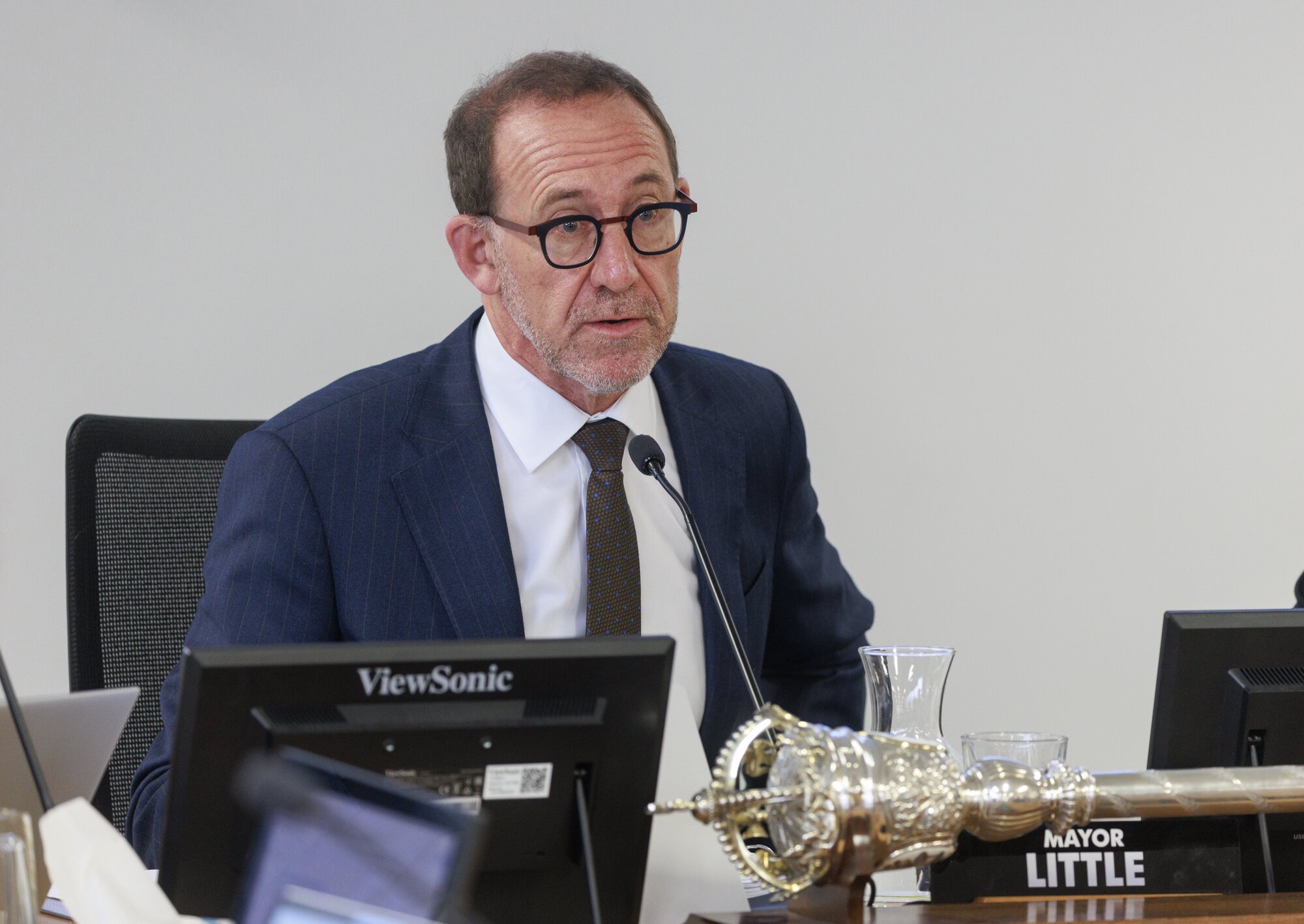
Wellington Mayor Andrew Little has unveiled his council’s key commitments for the term ahead, including planting trees, pausing projects, and pushing to charge the Government rates on Crown-owned land.
But not all councillors are on board with the proposed “shared commitment”, with three signalling they may vote against it, prompting last-minute negotiations with the mayor.
The 2025-2028 Triennium Plan sets the council’s strategic direction for the term, with the mayor saying it strives to make the city more affordable, while still prioritising services and community facilities.
Little is the first mayor to release a Triennium Plan since Justin Lester led the council in 2016, with former mayors Andy Foster and Tory Whanau not prioritising a three-year plan.
Many of the policy commitments mirror Little’s campaign promises, such as setting up an Urban Development Office (UDO) similar to Auckland’s now disestablished Eke Panuku, advocating for a weekly cap on public transport fares, and protecting facilities such as the Khandallah Pool and Begonia House.
One policy largely absent from the plan is any commitment to lower the city’s controversial commercial rates differential.
Little has spoken of his personal commitment to lowering the proportion of rates paid by businesses and commercial landowners as recently as last month.
It does, however, state that the commercial rating differential should be considered within a separate plan “of specific actions WCC could undertake to foster measurable economic growth over five years”.
One change to the rating system has been floated, with the council to consider options for a development levy and Land Value Rating, a proposal Green Party councillors have been pushing for that Little warmed to during the campaign.
A change to land value rates would mean property owners are charged on the value of the land they own, rather than the land plus what is built on it, a model supporters say discourages land banking and incentivises development.
The mayor has also signalled a push for the Crown to pay rates on land it owns, something that would require a law change.
Most Crown-owned land is currently non-rateable, but Little has pledged to lobby the Government for that to change.
Other new proposals include a commitment to plant 300,000 native trees and plants, exploring a new ‘green jobs’ pilot, and rapidly reviewing already approved capital projects valued at $1 million or more, where construction has not started.
Other goals outlined are more vague, such as “strive to keep rates as low as possible”, and continuing with long-running policies and initiatives.
Also absent is any mention of the council’s Te Kāinga affordable rental programme.
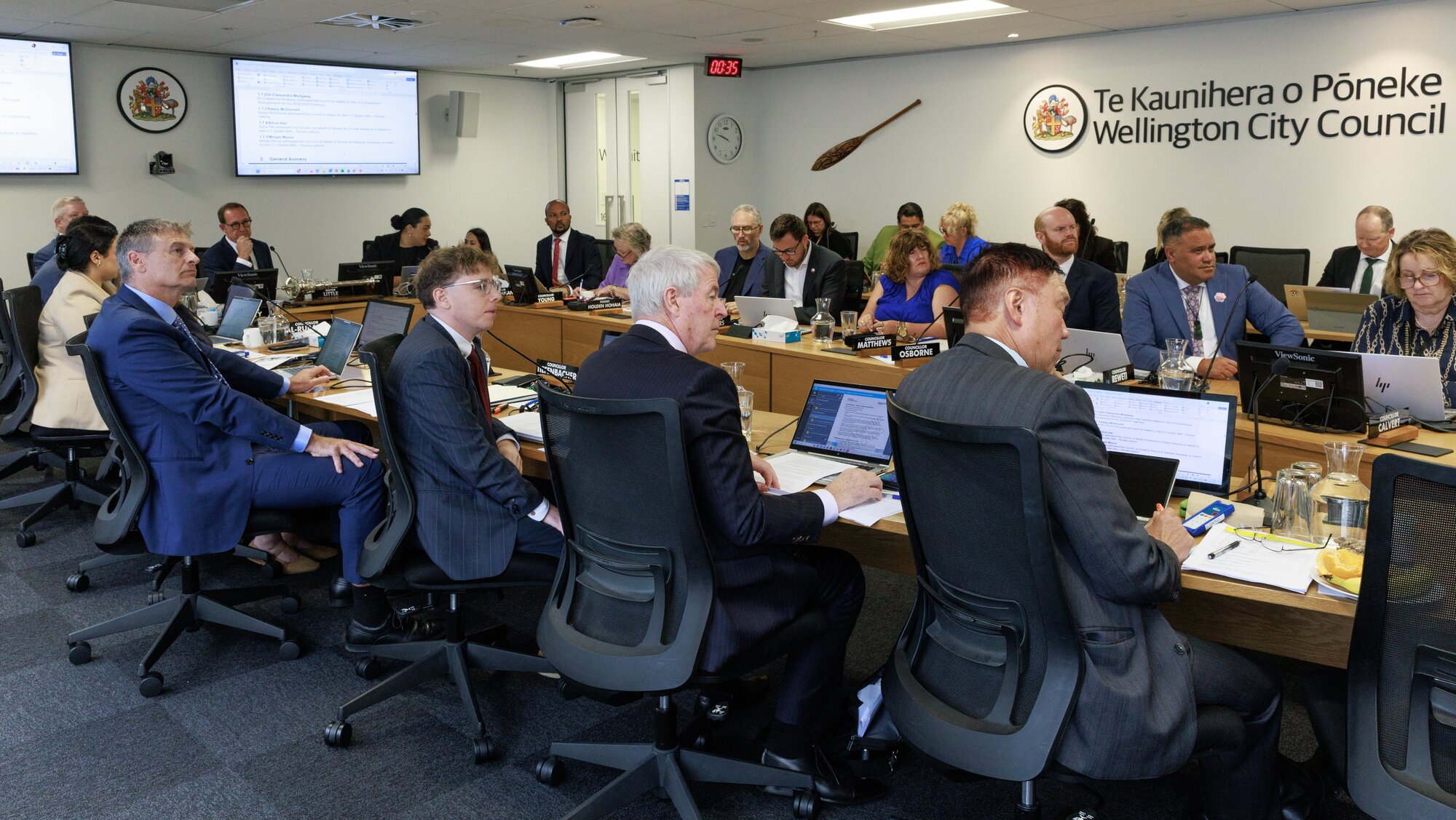
Speaking to the Herald yesterday, the mayor said every councillor has secured something they wanted in the plan, and he believed it was “well supported” around the table.
Five closed-door meetings were held to discuss the plan, as well as a number with smaller groups of councillors, a process Little described as “quite intense work”, but said it remained in good faith throughout.
While most are pleased with the final plan, three remain lukewarm on it, with independent right-wing councillors Ray Chung, Karl Tiefenbacher, and Tony Randle not committed to supporting it at next week’s vote.
Chung said he would not vote for the plan as it currently stands, saying it does not go far enough in cutting spending.
He wanted a definitive cap on rates increases to be included, rather than a commitment to ”strive to keep rates as low as practicable”.
“When you say ‘we will strive’, I don’t think it means anything,” Chung said.
For Tiefenbacher, the plan’s pledge to retain the council’s Living Wage Employer status was a key sticking point, as well as some of the climate change initiatives, he said.
Randle said he was still considering whether to support the plan, but would not elaborate on his objections.
After speaking with the Herald on Monday afternoon about their plans to potentially vote against it, the three councillors had a last-minute meeting with the mayor to discuss possible changes to the plan, despite it already being sent to media before this morning’s announcement.
A spokesman for the mayor confirmed Little met with the three opposing councillors at about 5pm on Monday, but said no changes to the plan had been agreed to.
The Triennium Plan will be voted on at a council meeting next Thursday.
Ethan Manera is a Wellington-based journalist covering Wellington issues, local politics and business in the capital. He can be emailed at ethan.manera@nzme.co.nz.