All Blacks v Ireland: Eden Park’s 32-year record faces test threat
Because the All Blacks haven’t lost at Eden Park for 32 years, there has become a sense of invincibility whenever they play at what has been self-styled as the national stadium and commonly agreed to be their spiritual home.
Since 1994, every major nation has come, seen but never conquered this little pocket of suburban Mount Eden, and most of the invaders have tried to sack the citadel several times.
Some have come close. The Springboks drew in 1994 and the British and Irish Lions managed the same result in 2017.
There have been plenty of high-stakes games over the years – must-win matches such as the Bledisloe Cup encounters in 2008, 2009, 2015 and 2019, the 2011 World Cup final and last year’s clash with the World Cup champions South Africa – and each time, the venerable old ground has acted as a performance-enhancer.
The bigger the occasion, the better the All Blacks have played at Eden Park – or at least, they have found a way to get the result they needed.
This is unscientific, educated guesswork – although the record over the past 32 years suggests it has merit – but the bigger the occasion, it seems the more likely it is that preserving the unbeaten record will be a greater motivational factor for the All Blacks than it will be for their opponents to stop it.
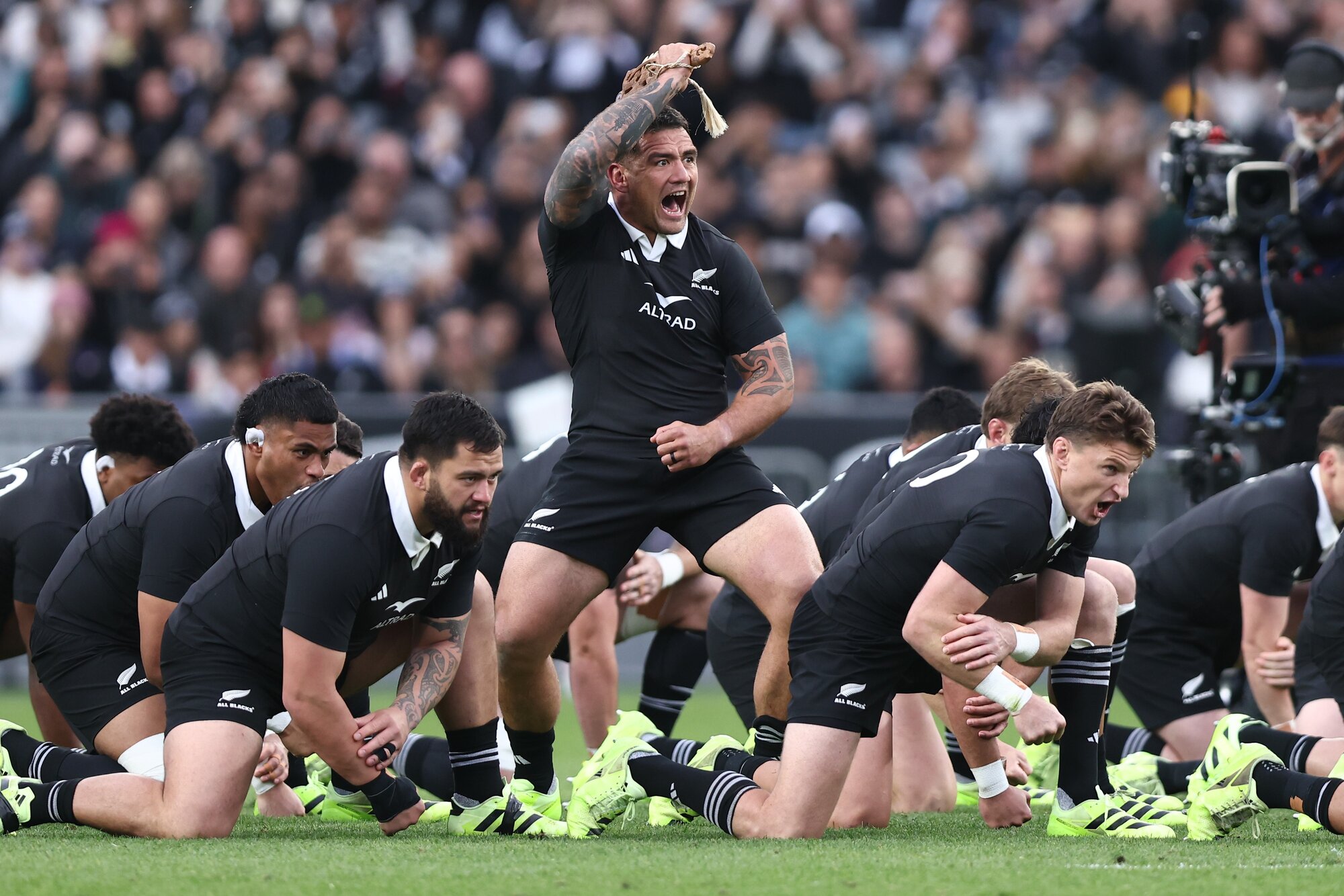
Each time these huge encounters have come around, the All Blacks have carried the weight of history well – been inspired and driven by it rather than burdened and overwhelmed.
And paradoxically, it’s maybe this truism about the All Blacks being geared for the highest-profile games that gives Ireland a serious chance of being the ones to stop the record run.
They are a good rather than a great team – not in the same class as the cohort who came here four years ago and won the three-test series 2-1, after losing the first encounter at Eden Park.
It’s a biggish test as Ireland are universally agreed to be the hardest of the three opponents the All Blacks will face in the July leg of the newly launched Nations Championship, but it’s not necessarily a high-stakes encounter.
No one yet has any great sense of excitement about the Nations Championship, so without that universal buy-in or agreement that this is a competition that matters, what we have at Eden Park is a classic, one-off test against Ireland.
That has value and consequence, but there is no wider, dramatic narrative around which to frame this game, and so the conditions for an Irish win feel perfect.
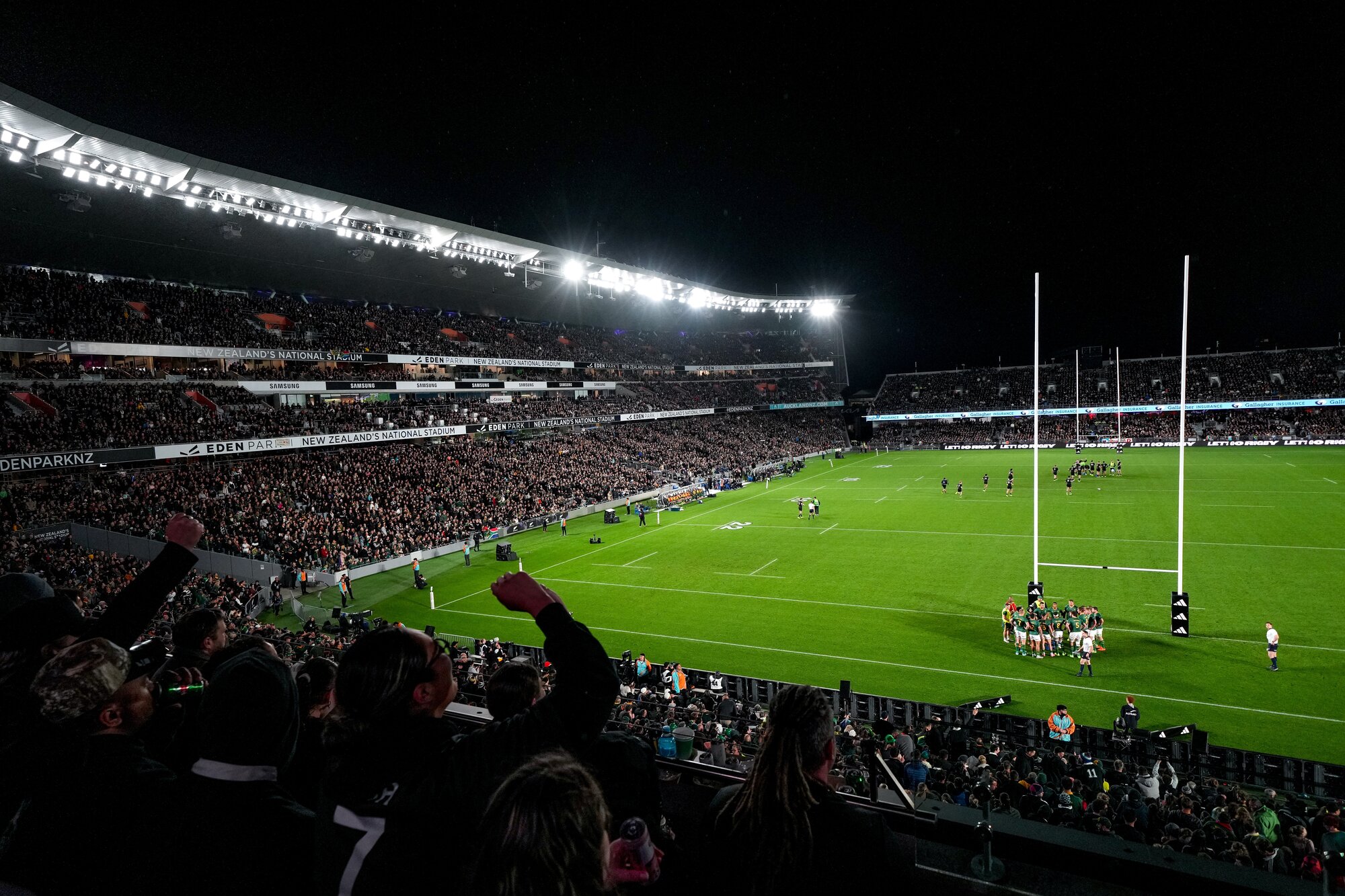
If the All Blacks are to be beaten at Eden Park, it seems more likely that it will come in relatively nondescript circumstances – a mostly unmemorable Irish team eking out a gutsy, grinding win on a drizzly night in a competition that no one particularly cared about.
On these lower-key occasions, it feels like the balance of power swings to the visitor – that the motivation to be the team that makes history by being the one that ends a 32-year-record, is greater than it is for the All Blacks trying to preserve it.
And so maybe it’s worth asking – not that this should be read as a predetermination of the result by any means – how a nation will feel should the Eden Park unbeaten run end on Saturday?
Will it be cause for a morose, long, deep introspective look at the state of the game and reason to feel that New Zealand has in some ill-defined way, regressed in yet another way?
Or will it be a shoulder shrug, a quick and easy acceptance that it had to happen one day and that a decent Irish team beating an All Blacks outfit trying to rebuild and find themselves again after two years of vagueness seems about right?
Certainly last year, when the All Blacks were sitting on a mediocre win rate and hadn’t captured the imagination in any way with the way they were playing, a defeat at Eden Park to South Africa would have felt monumental and era-defining.
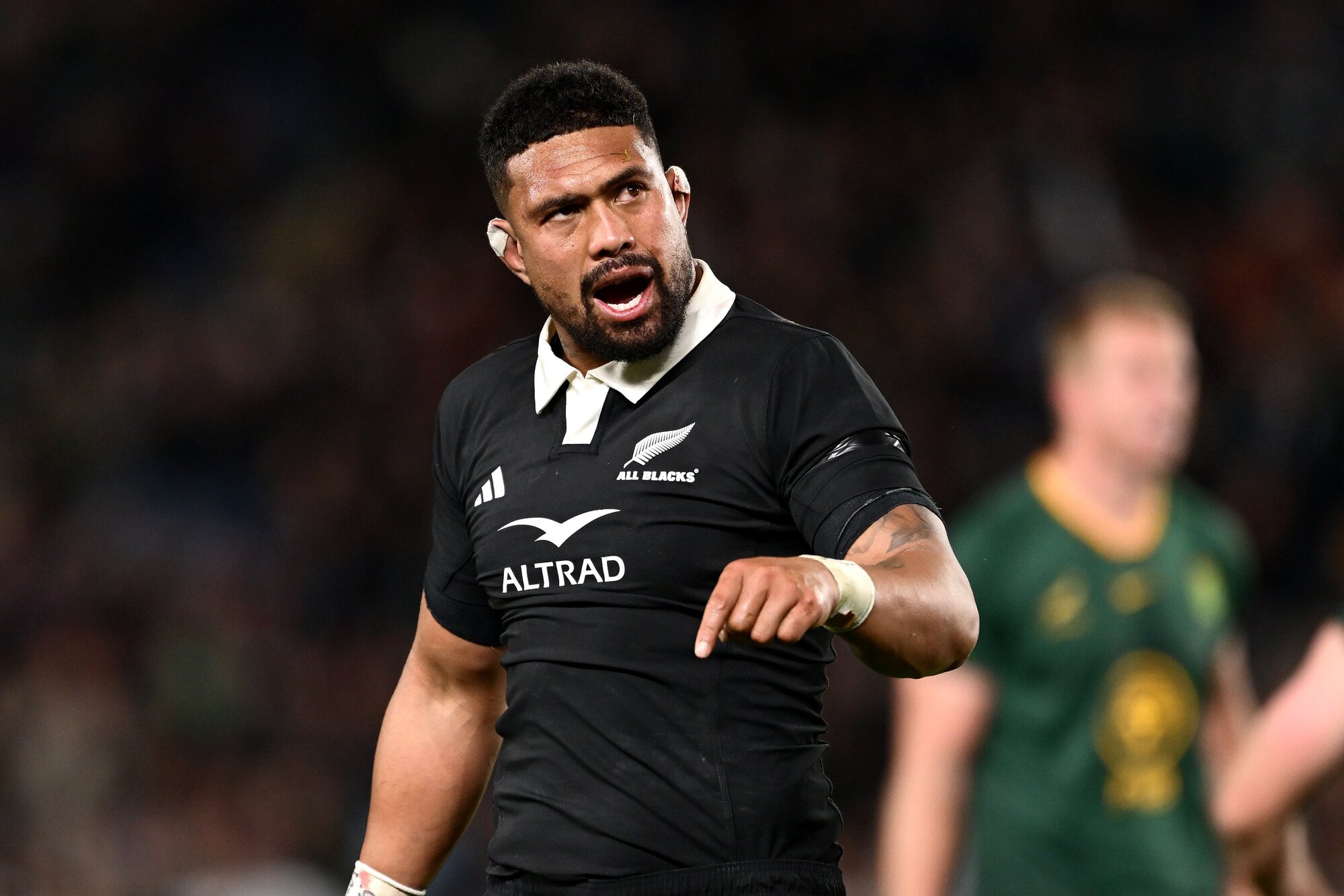
A Springboks win at the spiritual home – two years after they had beaten the All Blacks in the World Cup final – would have confirmed that South Africa had usurped New Zealand as the game’s leading power.
It would also, almost certainly, have made it nearly impossible for Scott Robertson to have survived into a third year as head coach – which he didn’t do anyway despite the All Blacks winning.
But now, with a new, higher-functioning New Zealand Rugby (NZR) board, a new high-performance director in Don Tricker, a new high-performance manager in Conrad Smith, a new chief executive, chief financial officer and chief commercial officer and a new coaching team in the All Blacks, much of the angst about where the game is heading has dissipated.
There are still tough challenges to be faced – the ever-rising power of the NRL and its incursion into the wider Pacific region, the apathy of teenagers, eradicating the fear of head injuries – but it feels like NZR is much better equipped and with better people to deal with what lies ahead.
And so a defeat, if it comes on Saturday night, might not be a catastrophe – more a sobering guide to indicate to a new All Blacks coaching team that they have more work to do than perhaps they realised to ready this team for the World Cup.
Gregor Paul is one of New Zealand’s most respected rugby writers and columnists. He has won multiple awards for journalism and written several books about sport.