All Blacks assistant coaches: Dave Rennie era begins with new team
For the second time in a little over two years, a near full-scale cleanout of the All Blacks coaching team is complete.
Such widespread upheaval has a destabilising effect on any team, let alone one carrying the scrutiny and expectation the All Blacks command.
Now, though, the opportunity, albeit highly compressed, to unite and drive clearly defined improvements arrives under Dave Rennie.
Scott Robertson’s exit as All Blacks head coach and moving on his coaching team, other than Jason Ryan, is the right outcome.
Rennie has, crucially, secured the coaching team he wanted. With Scott Hansen, Tamati Ellison and Bryn Evans gone, it’s largely out with the old and in with the new coaches Rennie knows and trusts.
Before Rennie’s All Blacks take the field to showcase their game plan and personnel shifts two key changes are already evident.
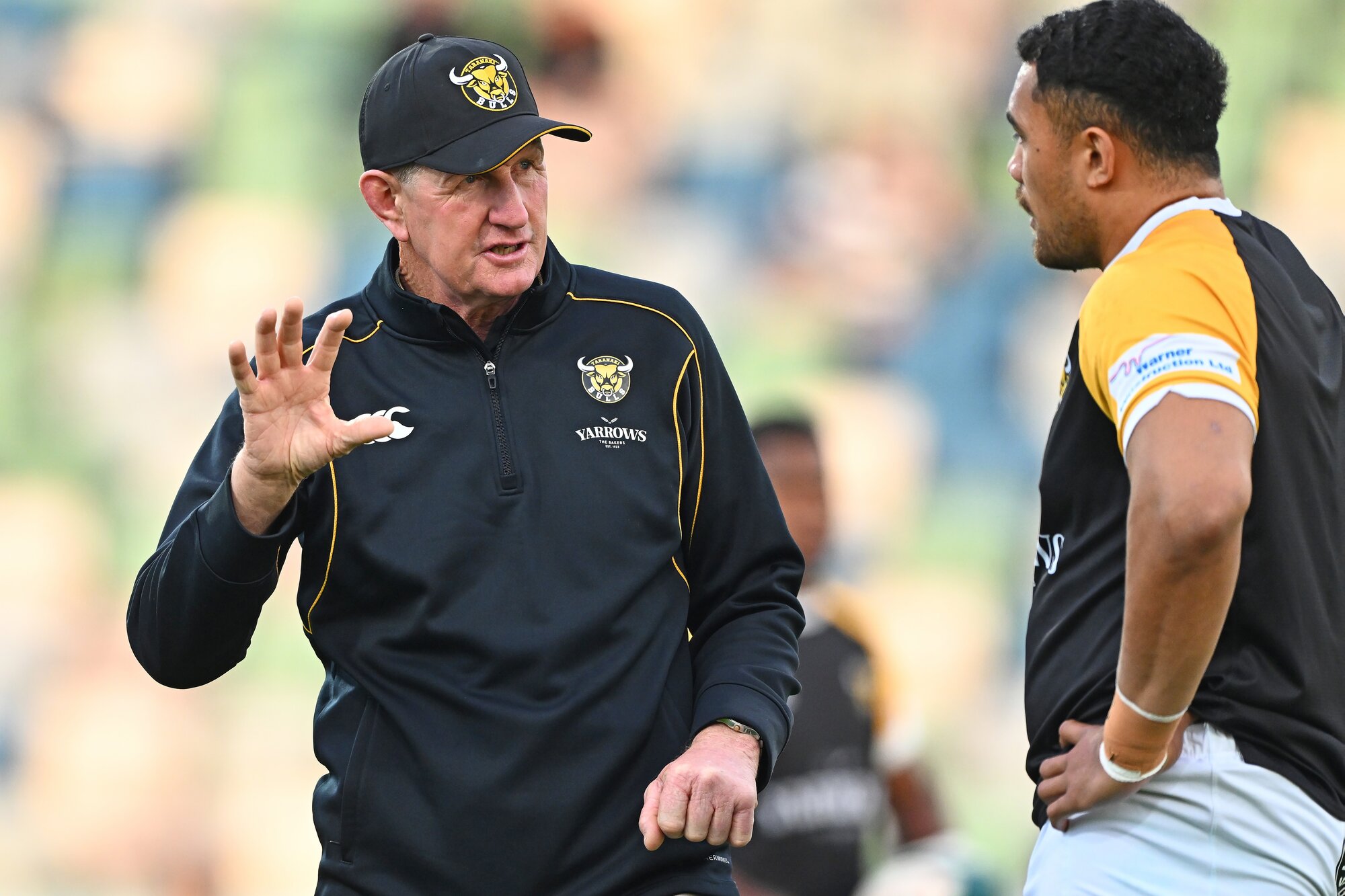
The new All Blacks coaching team, comprising Neil Barnes and Ryan combining to run the forwards, former Scotland halfback Mike Blair linking with Rennie to oversee the attack and Tana Umaga assuming charge of defence, features clearly defined roles.
There’s no tripping over each other in this coaching team. Everyone knows where they stand and where responsibilities sit to project clear accountability.
And when it comes to communication, there will be no ambiguity.
Rennie’s All Blacks face a daunting task of confronting their short runway to be ready for their first test in July – and the headline seven-week tour of South Africa that follows.
But these appointments evoke tentative confidence that improvements will come.
Rennie immediately set the tone with his calm, forthright first press conference after he was anointed to assume charge instead of Jamie Joseph. He’s waited a long time for this chance and knows how he wants to approach it.
Barnes, the vastly experienced mentor, followed suit on Tuesday as Rennie’s coaching team was confirmed.
As Rennie’s right-hand man, Barnes will be responsible for challenging the head honcho, regularly addressing the All Blacks and public, as well as running the lineout.
Barnes emerged as something of a cult figure after his blunt messaging was captured during the Six Nations: Full Contact documentary series on Netflix while he assisted Italy.
If team talks are anything like the uncomplicated salt of the earth realism Barnes delivered yesterday, his passion and honesty are sure to strike a chord with the All Blacks.
“I don’t profess to be a hard-arse. I don’t sugarcoat things,” Barnes said. “The players respect they’re going to get feedback that’s honest and accurate. I care about making them better and Rens is built exactly the same way.”
When the All Blacks head coach role became vacant, Barnes implored Rennie to contest the position, saying “your country needs you”. The duo will now rekindle their long-standing relationship dating back to their shared success at the Chiefs 13 years ago.
“If you haven’t worked it out, I’ve got a lot of faith in this man. People leave this country sometimes feeling a little bit hurt but there’s not that many people with his ability. You’re going to find that out in time. He’s the right person for the job.”
Barnes is an intensely competitive, much-loved Taranaki farmer who helps milk his cows at 6.30am every day before turning to his rugby duties.
In recent times he’s delivered Taranaki the provincial title and Ranfurly Shield success alongside his 68% win rate, and will ensure the All Blacks embrace the necessary edge test rugby demands.
Bad cop might be a touch unfair, but every rugby team needs the balance of someone to hit you between the eyes while others adopt a softer approach.
Barnes’ leadership of the All Blacks forwards – with Ryan assuming charge of the scrum and maul – will demand an uncompromising, direct physical approach to set-piece strength and delivering quick ruck ball.
“I’m massive on getting the basics right before going to any of the pretty s***.”
With three decades of coaching experience, which includes travelling to three World Cups with Italy, Canada and Fiji and working with local age-grade club teams, the 68-year-old Barnes has traversed the rugby spectrum.
After working alongside Kieran Crowley to guide 28th-ranked Canada to the 2011 Rugby World Cup in New Zealand, adversity won’t shake Barnes.
“It’s probably the scariest experience I’ve ever had coming into this country with what amounted to club players on a world stage but we still fundamentally went back to basics, improved the skills, knowledge, got the cohesion right and we went okay.
“It’s not picking people who have run great campaigns and had s***loads of success because you’ve got to handle the tough times.”
Barnes isn’t alone with his scar tissue, either. Umaga and Blair, the latter considered among the sharpest minds to emerge from Scottish rugby in the past 20 years, boast experience as coaches in both hemispheres.
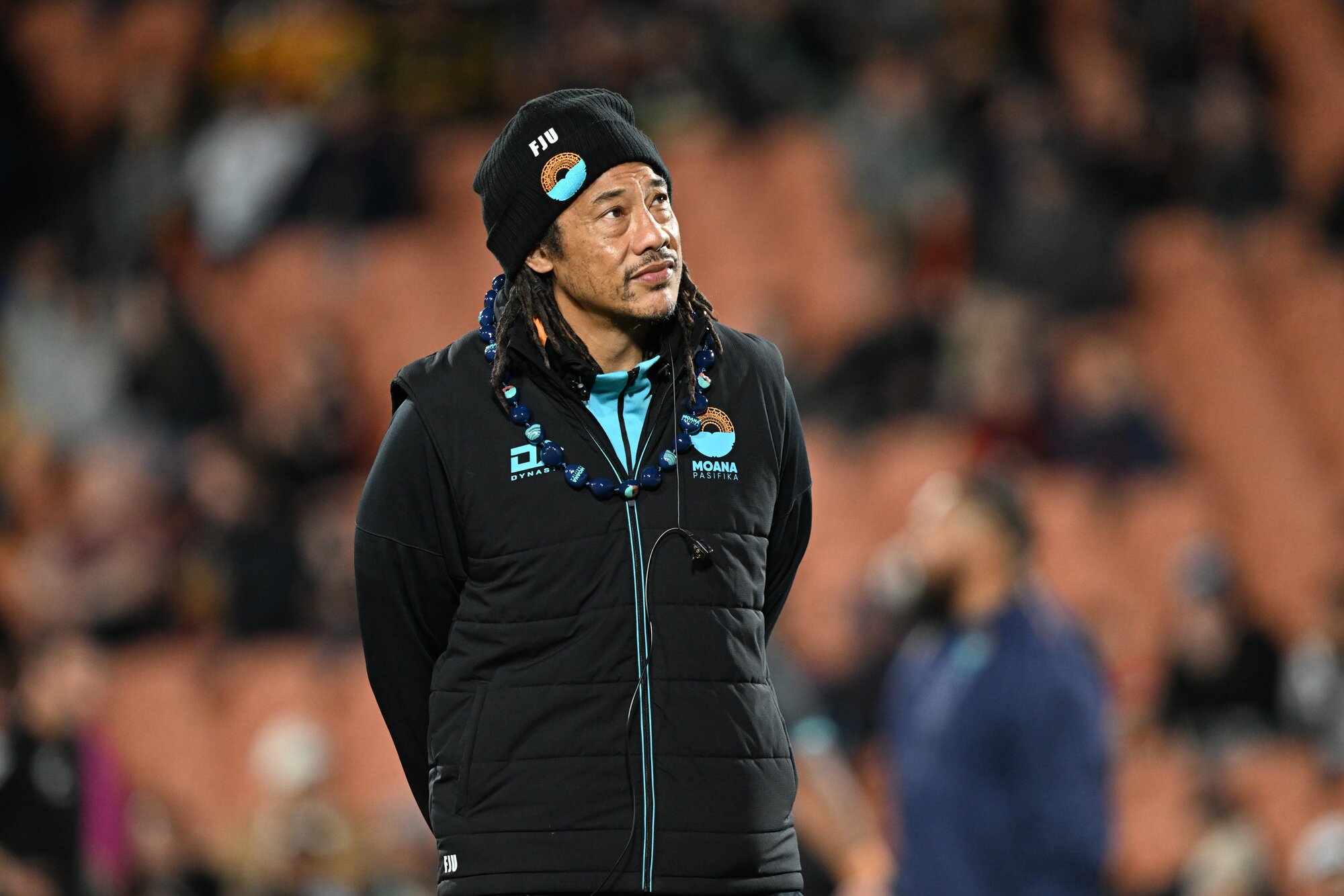
Umaga’s defensive credentials have been questioned by some based on Moana Pasifika’s struggles this season.
Such a view is short-sighted, though, given Moana’s surge to the fringe of the playoffs last year.
While Umaga may upskill some technical defensive aspects, working with New Zealand’s best players is a world away from Moana.
When Umaga walks into a room, players will listen. His inclusion will drive improvements in attitude, standards and as a former All Blacks captain, his work with the leadership group could prove invaluable.
Another coaching cleanout forces the All Blacks to start from scratch again. It’s far from ideal, but in this case was necessary to evoke change.
While such a ruthless schedule leaves no guarantee of immediate success, Rennie’s coaching team is aligned, clearly defined and will foster honest messaging at their core to ensure the best chance of harnessing swift improvements.
Liam Napier is a Senior Sports Journalist and Rugby Correspondent for the New Zealand Herald. He is a co-host of the Rugby Direct podcast.