Dave Rennie era begins: All Blacks set for big assistant coach changes
Another major reset has arrived for the All Blacks.
Two years after Scott Robertson led the largest management cleanout in two decades, Dave Rennie’s appointment as the next All Blacks head coach will usher in more widespread change.
While both boast vast experience, the choice between Jamie Joseph and Rennie to replace Robertson encompassed many differences.
New Zealand Rugby anointed Rennie after he emerged as the compelling candidate from a thorough process that included visiting his Kobe Steelers team in Japan, speaking to five references, and a three-and-a-half-hour in-person interview.
No official approaches to assistant coaches were made prior to Rennie’s appointment on Wednesday, but the Herald understands stark differences were evident in the contrasting coaching teams.
Joseph is understood to have approached Joe Schmidt, Ian Foster, former Highlanders turned Pumas attack coach Kendrick Lynn and Tony Brown to join his All Blacks coaching bid.
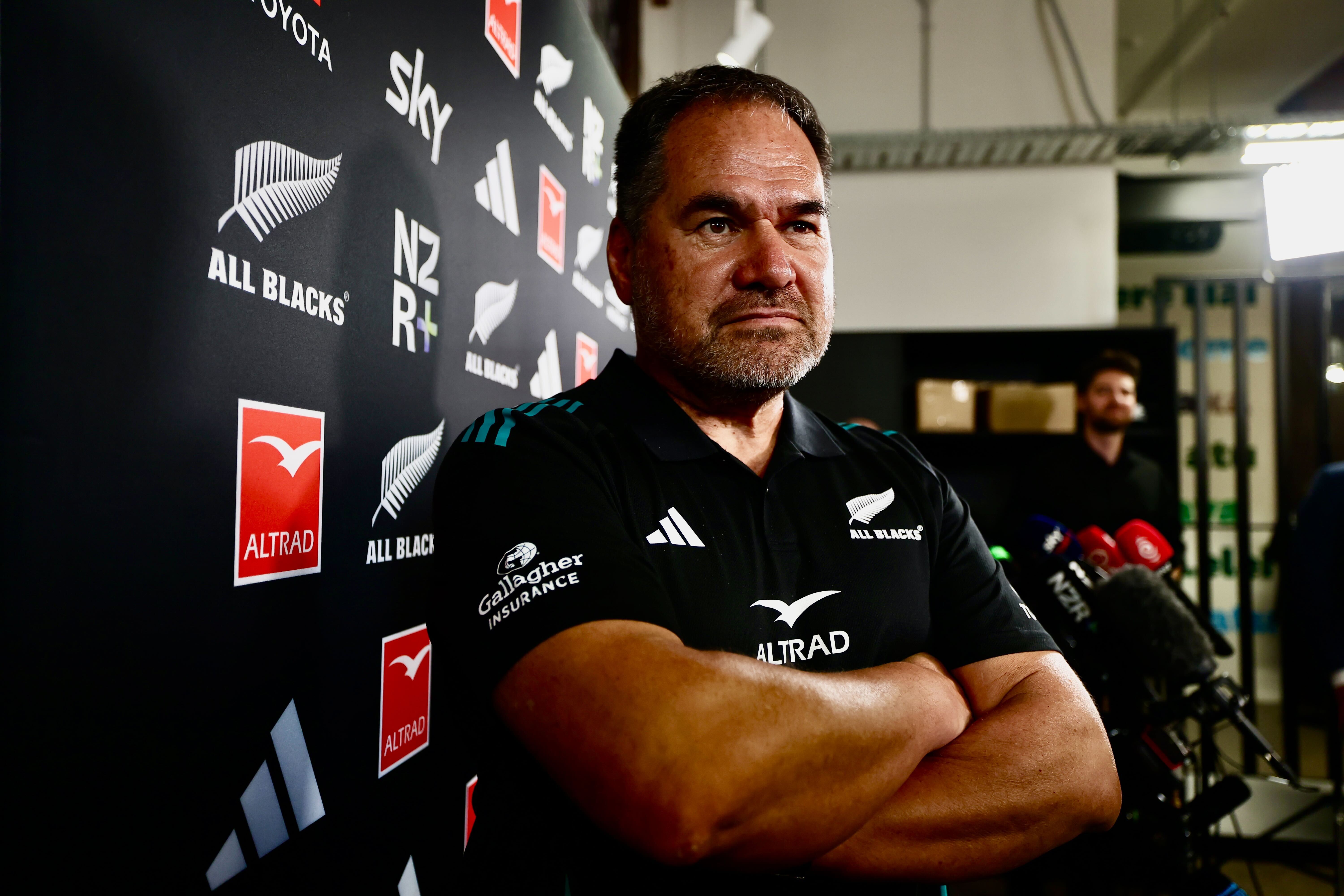
With all declining for differing reasons, though, Joseph is believed to have advocated to retain Robertson’s assistants – Jason Ryan, Scott Hansen, Tamati Ellison and Bryn Evans – with former All Blacks fullback Ben Smith the only proposed addition.
Rennie, as he proved when assuming charge of the Chiefs and instigating a playing and coaching cleanout before capturing back-to-back Super Rugby titles in 2012-13, will instead attempt to surround himself with those he knows and trusts.
He has extensive options, too, after commanding respect from a range of teams and personnel during a 30-year coaching career.
The New Zealand Rugby hierarchy will have some say in the make-up of the All Blacks coaching staff.
With Ryan and Hansen believed to be on four-year contracts, the national body will be wary of further significant payouts after Robertson’s costly mid-cycle exit.
The Herald understands Rennie is, however, intent on promoting the vastly experienced and straight-shooting Neil Barnes as one of his leading assistants.
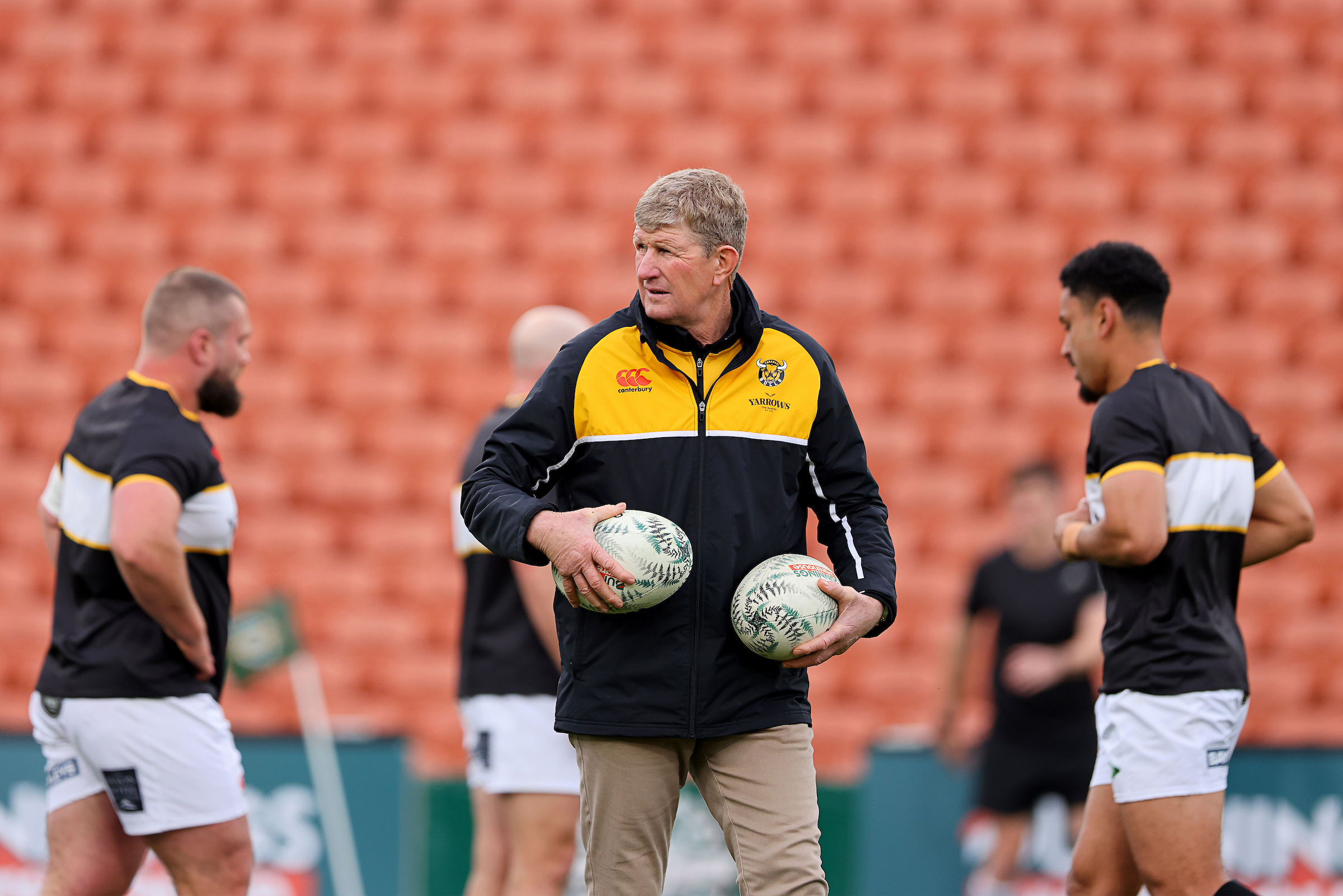
Barnes coached alongside Rennie at the Chiefs and spent time on the international scene with Canada and Italy before assuming charge of Taranaki in the NPC. He’s known as a tough forwards coach with specific expertise at the lineout.
Nic Gill’s exit as long-serving All Blacks strength-and-conditioning coach is expected to pave the way for the highly regarded Phil Healey to replace him after working with Rennie at the Chiefs, Glasgow, Kobe and having also spent time at the Blues.
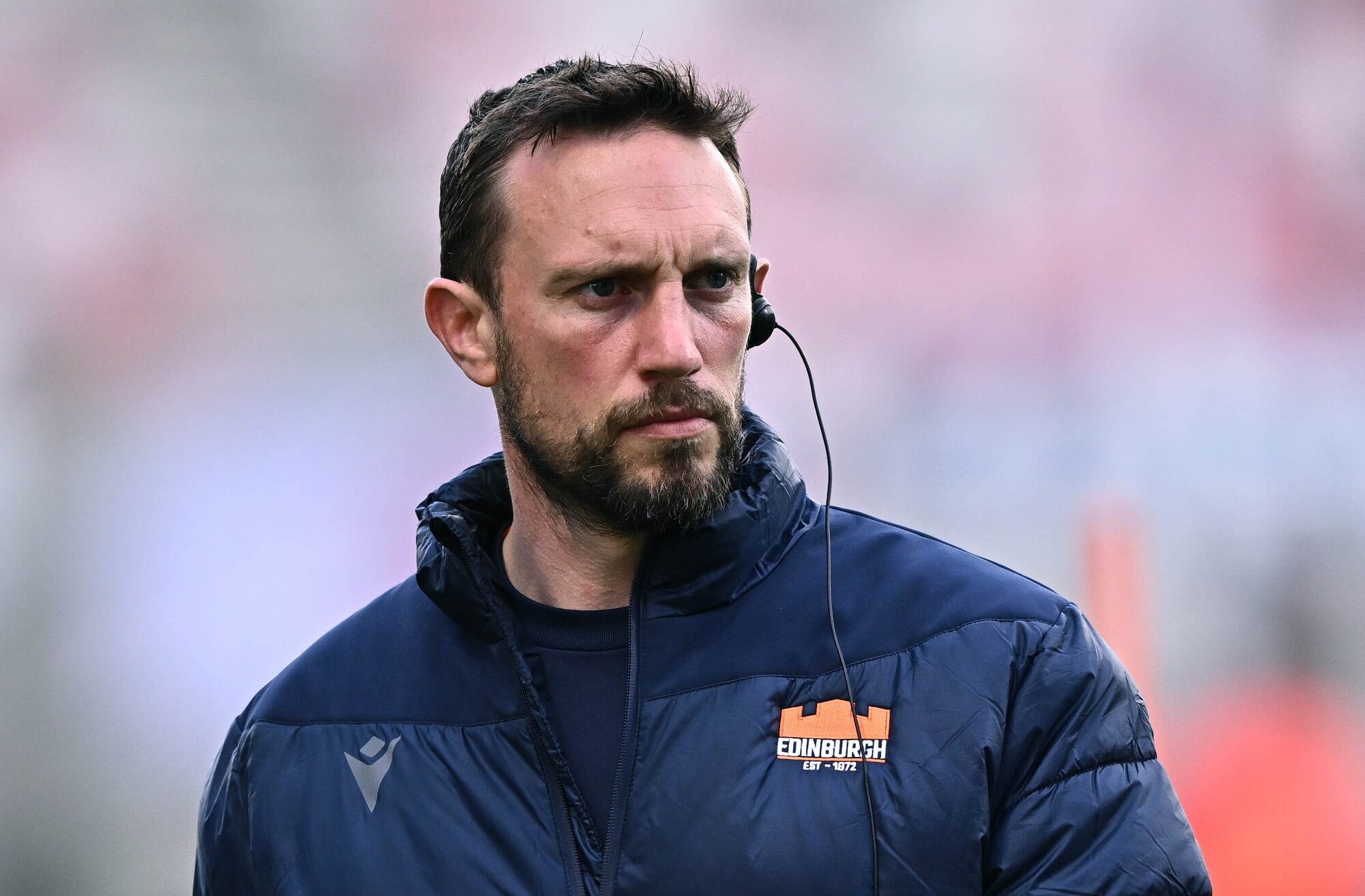
Mike Blair, Scotland’s most capped halfback before moving into assistant coaching roles with Glasgow, Scotland, Kobe and leading Edinburgh, is another candidate Rennie is expected to suggest as an alternative attacking mind.
A foreign coach joining the All Blacks would, however, challenge New Zealand Rugby’s traditional mode of promoting homegrown talent to the national team.
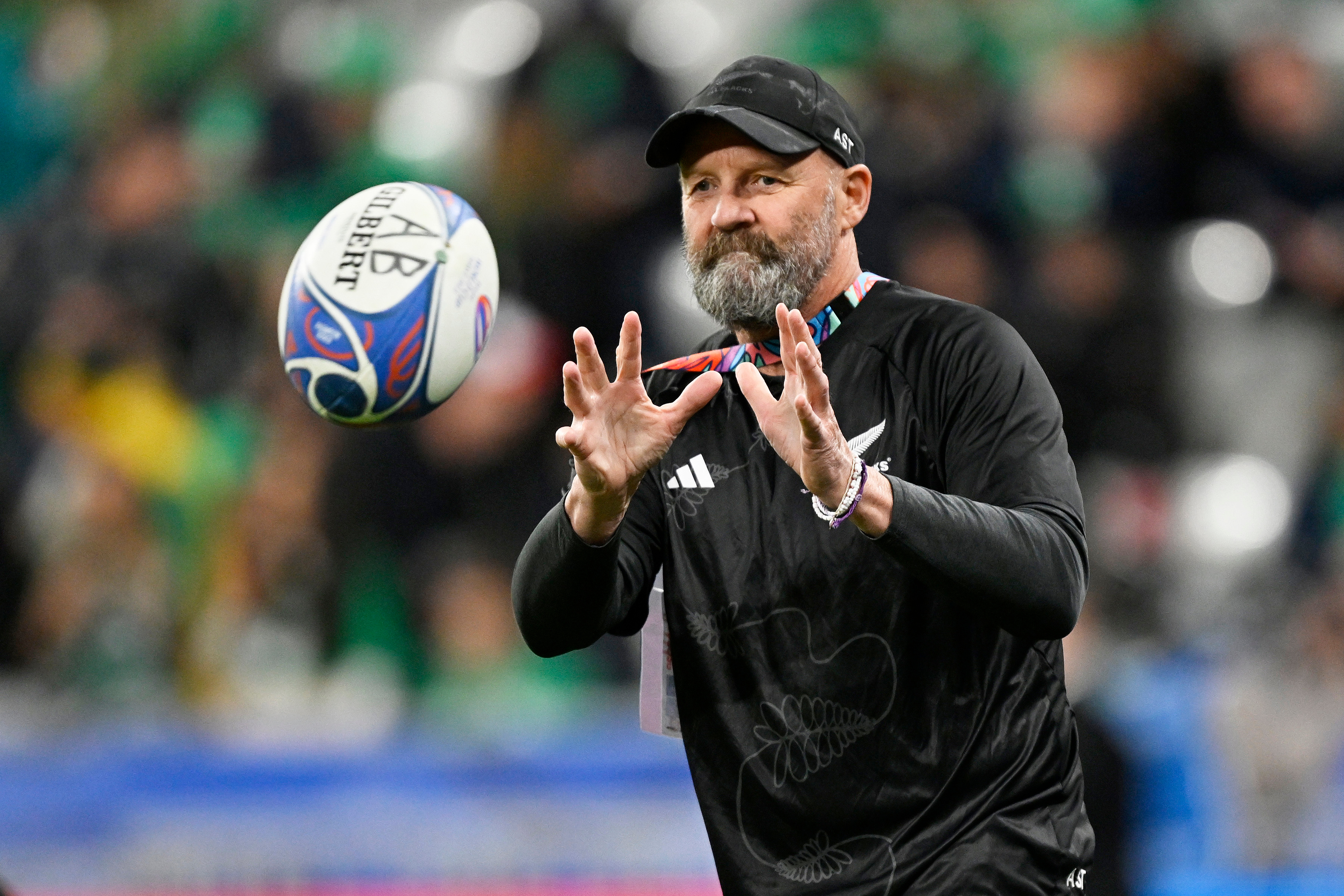
Andrew Strawbridge, the former Chiefs assistant who worked with England coach Steve Borthwick last year, could also be considered as a skills mentor but his confrontational style doesn’t gel with everyone.
That could leave Ryan as the only Robertson assistant to survive a coaching change, with Hansen, Ellison and Evans potentially pushed out.
The All Blacks’ attacking portfolio, in particular, will be in the spotlight after a series of stuttering performances following Hansen’s switch from defence to attack responsibilities under Robertson.
Time is of the essence to push ahead with Rennie’s All Blacks assistant appointments, too.
With Rennie based in Japan until the end of May while finishing his duties with Kobe, he needs boots on the ground in New Zealand to visit Super Rugby Pacific teams and share his vision for the year.
Rennie’s track record of building successful cultures from the ground up, through a people-first mantra, proved pivotal in his promotion to the most scrutinised role in world rugby.
From Wellington to Manawatū on through the Chiefs, Glasgow, Australia and Japan, feedback from players on his inclusive coaching style is overwhelmingly positive.
As the first All Blacks head coach of Pasifika descent, Rennie’s Cook Islands heritage – his mum is from Rarotonga – also allows him to draw on an understanding of how to meld cultures together.
Rennie’s extensive experience, having charted a coaching career that started in the amateur era in Upper Hutt through to the last nine years abroad, was another advantage.
Unlike many counterparts in the modern age, he is a self-made coach, not one fast-tracked on former playing credentials. Every step, he’s earned promotion.
Rennie has trekked the scenic route to the All Blacks – and the compressed runaway from here is fraught.
Four months until the first home test against France; a little over five months before the six-week South African tour that features four assignments against the world champion Springboks. And next year, Rennie faces the prospect of proving himself at the World Cup in Australia, with a likely defining quarter-final showdown against the Boks looming large, to gain a contract extension.
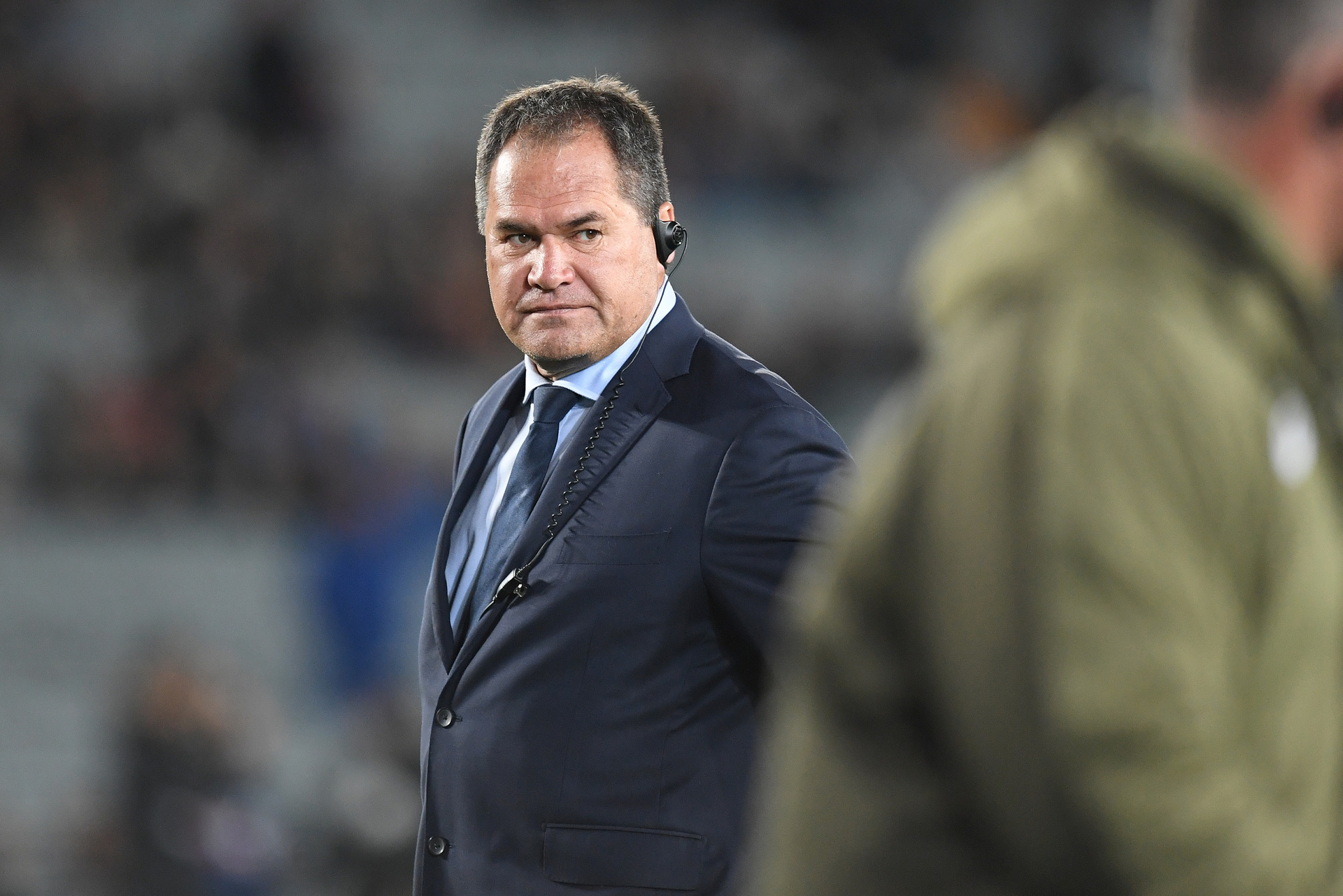
Yet in a calm, comfortable manner, and with prevailing clarity in his first press conference as All Blacks head coach at New Zealand Rugby HQ, Rennie embraced those challenges.
“I’m ready for it,” Rennie said. “I’ve coached across the world and I’ve worked with some fantastic people. I’ve learnt a lot.”
He also sent an immediate message by telling players they must earn selection, and that he held no loyalties, to leave the door ajar for further change that is likely to extend to a shift of All Blacks captain.
Rennie always planned to return home from Japan this year to chop firewood in Palmerston North, spend time with family, which includes three sons, and work as an unpaid assistant with Manawatū.
That vision has swiftly evolved to his long-coveted dream coaching gig.
While that comes with relentless expectation and pressure, he wouldn’t have it any other way.
Now, his greatest test begins in earnest.
Liam Napier is a Senior Sports Journalist and Rugby Correspondent for the New Zealand Herald. He is a co-host of the Rugby Direct podcast.