Nic Gill: All Blacks’ departing high-performance coach on how rugby has changed over 18 years
THE FACTS
The All Blacks have been on a mission to win new fans in the United States, which they have kind of done following the announcement that long-serving head of performance Nic Gill is leaving to join NFL franchise the Baltimore Ravens.
Gill, who joined the All Blacks full time in 2008, has become recognised as one of the world’s best at conditioning athletes for contact sports, and the Ravens snapped him up after a major organisational restructure last year.
The timing of Gill’s resignation, coming, as it has, a probable two days before the All Blacks unveil a new head coach, may look pointed, but it is entirely coincidental.
Gill says he was randomly approached by another NFL club in late 2024, and that triggered a desire to explore other job opportunities in what is the world’s highest-profile and most lucrative league for contact sport athletes.
“I went through a process at that time [2024] and realised that I was ready to go,” Gill told the Herald.
“It wasn’t an active decision, being shoulder-tapped lit a fire in my belly.”
Discussions with Baltimore began at the turn of the year and concluded last week.
After 18 unforgettable years with the All Blacks in which time the national team won two World Cups and made the 2023 final, Gill was eager to announce his resignation before the next coach is named, to remove any sense that the looming change has been a factor in his decision-making.
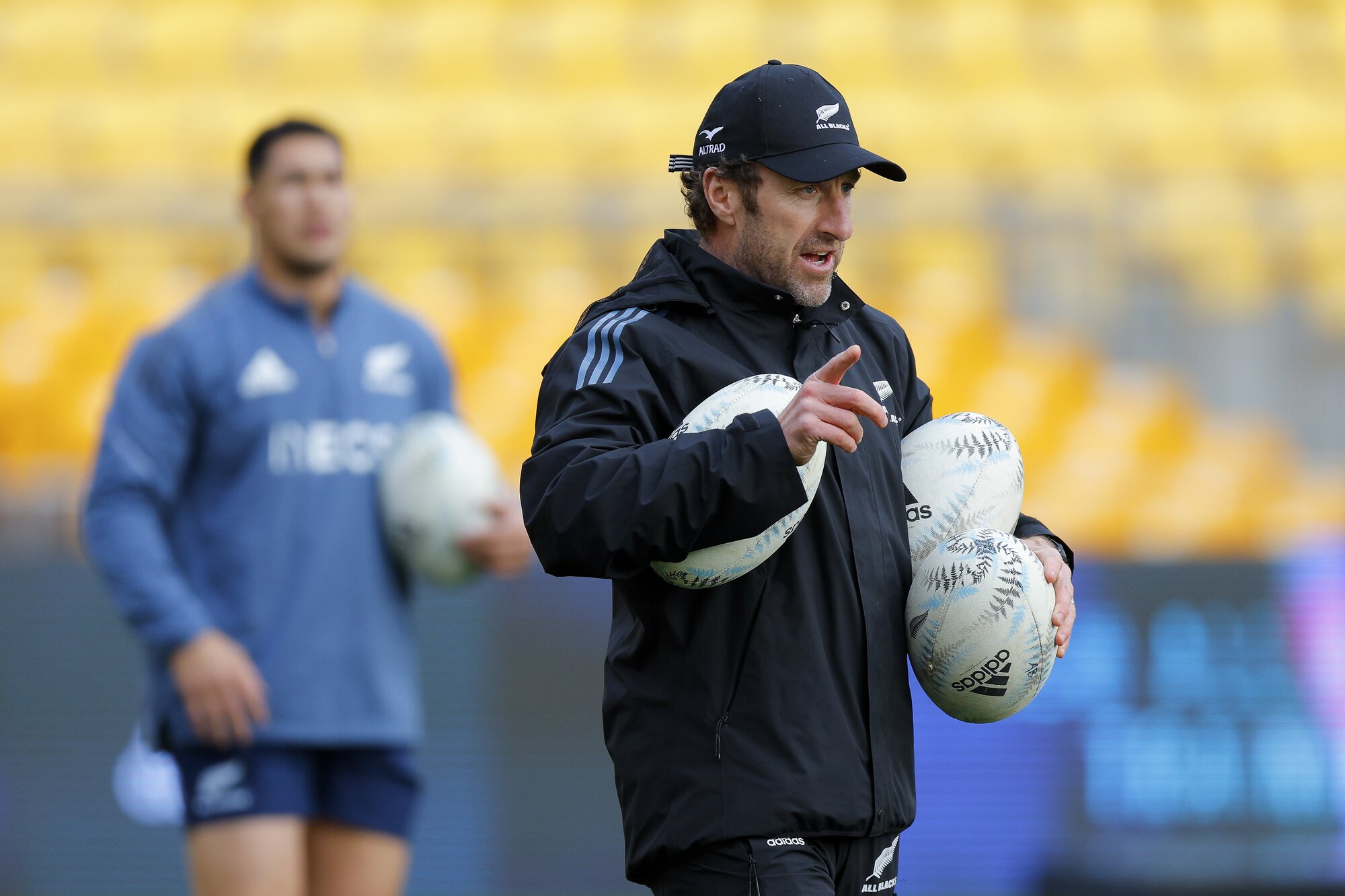
Losing the man many see as the best strength-and-conditioning coach in world rugby, and a man who has deep institutional knowledge as well as long-established, high-trust relationships with the senior playing group, is a major blow for the incoming All Blacks coach.
The way international rugby has gone in the past decade has increased the importance of having the right athletic profiles and players within the All Blacks who can offer the right mix of speed, power and endurance to facilitate the gameplan.
The All Blacks, to some degree, are swimming against the tide in advocating at a global administrative level for officials to help deliver a faster, more aerobic game, while the likes of South Africa and France are campaigning to preserve the importance of the set-piece and mauls and retain a strong emphasis on power.
With this tug-of-war ongoing for the soul of the game, getting the conditioning right and keeping players free of injury is a massive component of international rugby. Gill says that challenge has changed dramatically in the past 18 years.
“The athletes have changed significantly. I was looking at some numbers the other day and in my time with the All Blacks, the average size of props and locks has gone up a kilo per year.
“We have gone from the average size of a prop being 115kg to the average now being 135kg.
“That’s because the rules have changed – two props on the bench – and the athletes’ professionalism has changed.
“The knowledge we have within the staff about how to condition athletes, and the players are eating better than they ever have, so they can hold more muscle, be healthier for longer, recover faster so we can train them for longer and harder.
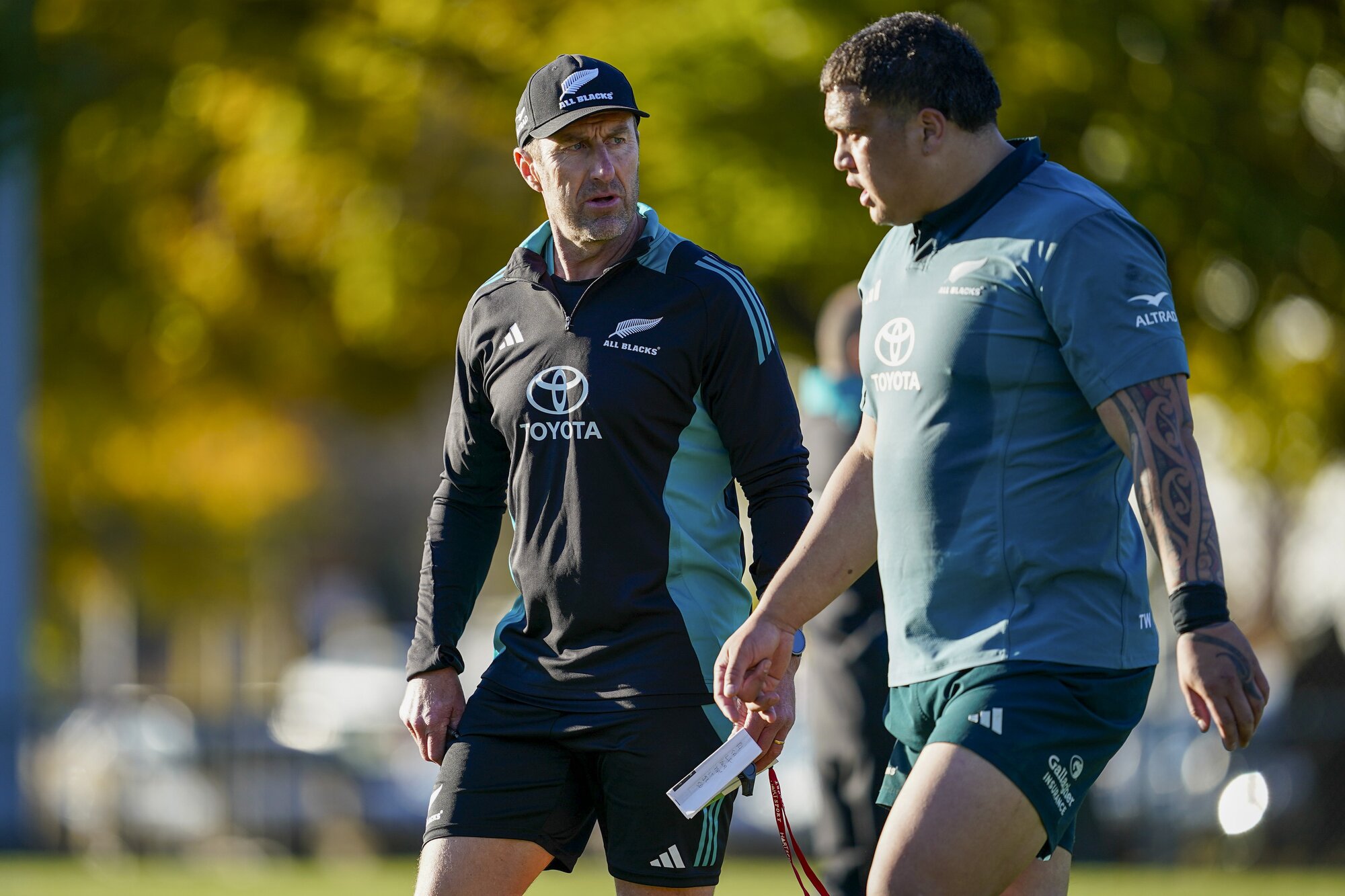
“We are now down to the point where it is the little things that matter – the decision-making under fatigue under pressure. These are where the edges are because the game is pretty much a power game and a war of attrition.
“When you get to a World Cup you have 33 players and it is a matter of who can stay healthiest through the big games.”
Gill’s loss is compounded by former head coach Scott Robertson deciding to clean out nearly all the long-serving management team, when he started in 2024, except for Gill, and so neither Dave Rennie or Jamie Joseph will have little experience or institutional knowledge to tap into.
Gill would have been a load-bearing pillar, as it were, had he remained with the All Blacks – a trusted resource for the new coach. But he believes the situation could have a silver lining as there is now an opportunity for an entirely, or mostly, new coaching group – head coach, assistants and strength and conditioning – to build something together from scratch.
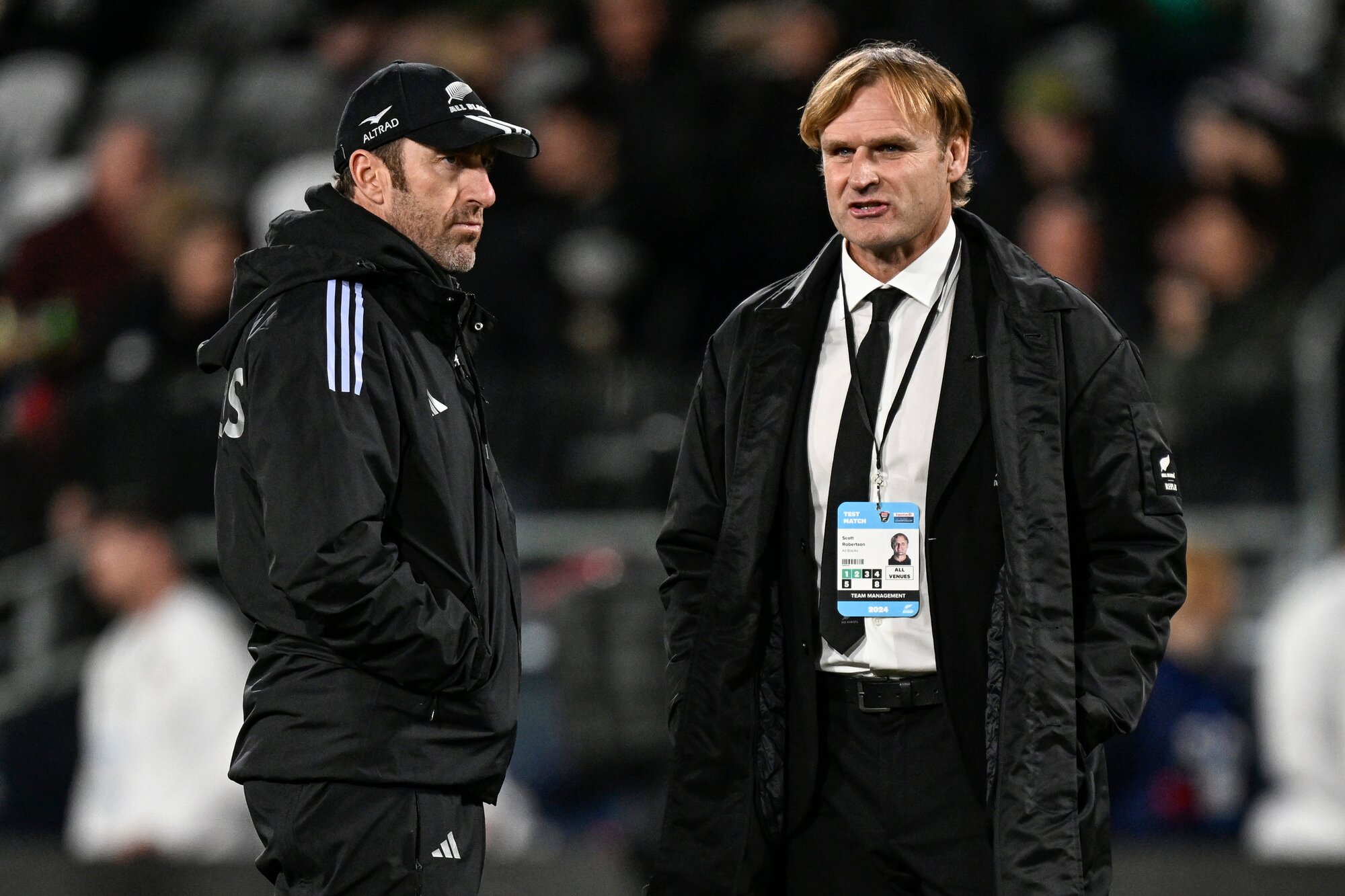
“I’m leaving the All Blacks because of my desire to go to the NFL,” he says.
“I have been wanting to go for 15 months.
“Last year, the Ravens sacked their head coach after 19 years, so they were able to make changes to their system and their staff. It is a new role they have never had – vice president health and performance.
“The timing can be a positive for the All Blacks. In my case, I’m going to an organisation in a new role and it is a whole new coaching group and I think that it is easier to start together, than to come into an existing relationship.
“There are pros and cons and I have said to the Ravens and NZR that I want to be able to help the [All Blacks] coach make a good decision on who replaces me, and I want to help the new appointment get their feet under the desk and pass on as much learning and knowledge and experience as I can.
“I want the new person and new coach to thrive because I want the All Blacks to get back to where they have been.”
Gill is under no illusions that his ability to land a role in the NFL was partly down to the power of the All Blacks’ brand and its ability to open doors.
Rugby may not have penetrated the US sports market, but the All Blacks, through the power of their reputation, have won a place in the psyche of many foreign coaches and high-performance set-ups.
Further evidence of that came last month when former NZR head of high-performance Mike Anthony announced he was joining English Premiership football club Brighton.
There is no question that major international sports teams of all codes want to bring people with All Blacks’ intellectual property into their business.
Gill’s new role, conversely, also demonstrates how comparatively small the All Blacks’ high-performance set-up is and how the team continues to be revered, while operating on a scale that is unrecognisable to NFL and EPL clubs.
When asked if the role he’s taking up with Baltimore is essentially the same one he held with the All Blacks, Gill says: “100% … just times four.
“The staff in the All Blacks’ health and performance team is six. And within my full team [at Baltimore] there will be about 25.
“They have five or six strength coaches, two dietitians, and 10 physios. The squad is massive. Summer camp is up to about 90 players.
“I see it quite similar to rugby. In the NFL, you have these little, fast athletes with fast hands and then you have these huge humans that just push and have good feet and are powerful – no different to say Tamaiti Williams at 140kg, to a Damian McKenzie 80kg wringing wet.
“So, a lot of similarities and the only real difference is that they don’t run as much. The endurance side is the only thing that is different. The power, strength, evasiveness, and footwork is a common thread.”
Gregor Paul is one of New Zealand’s most respected rugby writers and columnists. He has won multiple awards for journalism and written several books about sport.