Waikato Hospital emergency department witness says staff ‘set up to fail’ on night man died
A witness at Waikato Hospital’s emergency department on the night a man died believes the “shocking” scenes reflected a system where under-resourced staff were “set up to fail”.
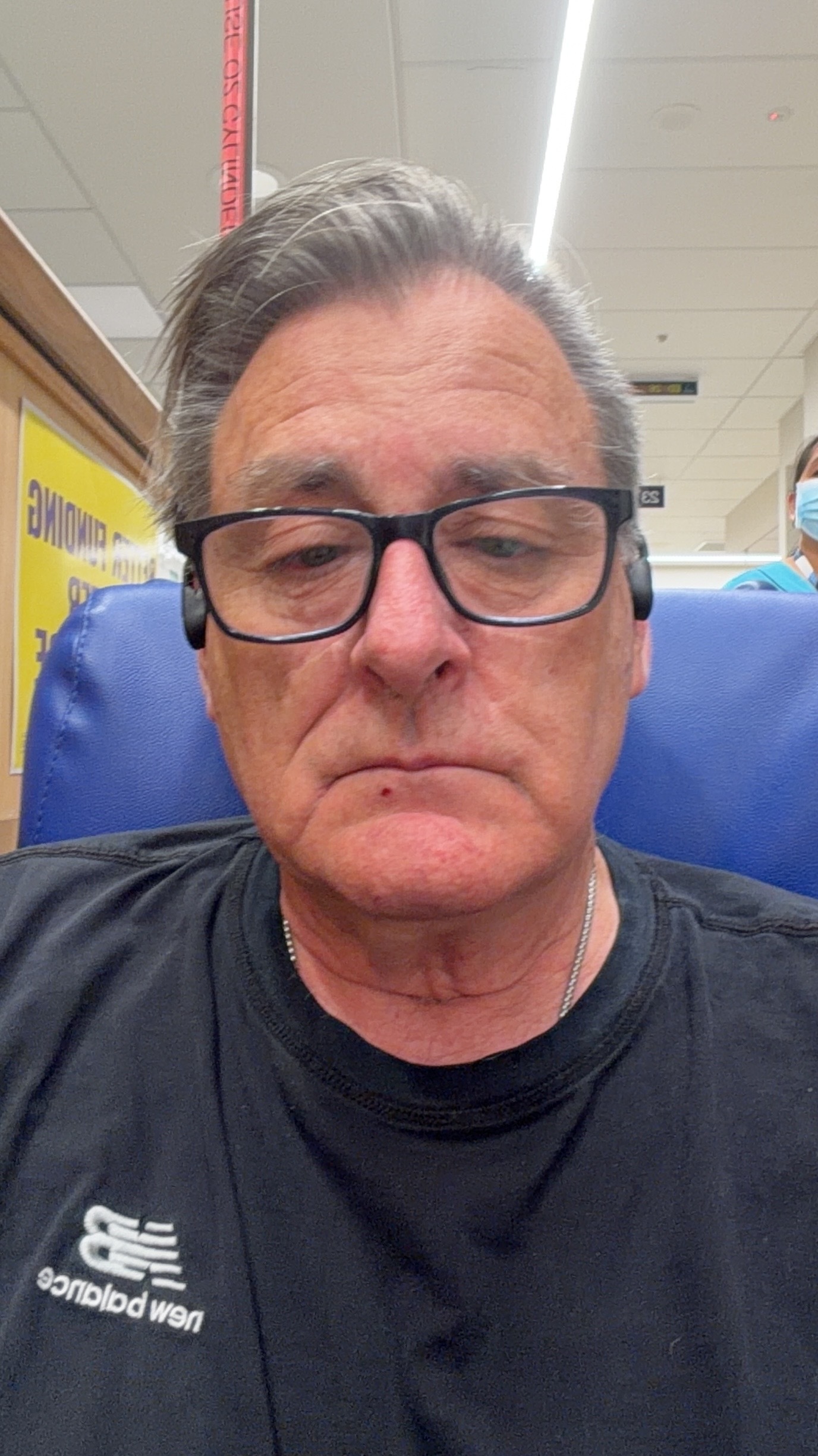
Earl Stevens, who was at the ED with atrial fibrillation, told the Herald he waited about 10 and a half hours to be seen after being urgently referred by a GP.
His account follows the Herald’s report on Tuesday that hospital sources and witnesses said the man had waited about nine hours, was in pain and had complained about delays before he was found collapsed at the ED.
Data provided exclusively to the Herald from the New Zealand Nurses Organisation (NZNO) suggests the ED has been under pressure for months.
Health New Zealand (HNZ) has said the man who died was triaged and “thorough” reviews will look into “all aspects” of the incident.
Stevens, who lives in Auckland, was visiting Hamilton when his heart started racing, and a GP urgently referred him to the ED.
“I got there at 8pm, and I would have waited till 6 or 7am. That’s 10.5 hours,” he told the Herald.
He estimated about 40 to 50 people were waiting and “innocent young” people watched on as staff tried to revive the man.
“I think it’s very hard on the staff. There was one nurse I talked to there [after the man collapsed] and she was trying to get people to write complaints because it was, from their [staff] point of view, untenable.”
He likened the situation to “Third World” healthcare and called on Health Minister Simeon Brown to visit the ED and “eyeball” the issues, including how staffing was being matched to patient demand.
A spokeswoman for Brown told the Herald the minister “regularly” visits EDs across the country and would go to Waikato’s next time he’s in Hamilton.
HNZ has said the man who died was triaged – that means the seriousness of his illness or condition was rated on a scale of one to five. However, it does not mean he received a detailed assessment or treatment from a doctor.
An HNZ spokeswoman told the Herald a clinical review of the incident will be completed this week, and a “serious adverse event review” will take two months.
“These will be thorough, looking at all aspects of the incident, so we can provide answers for the family as they rightly deserve and ensure that all the facts are known.”
Stevens cited his own case as an example of what he believes is a “crisis”. He was classified as category two, which according to the triage scale used by the country’s EDs indicates an “imminently life-threatening condition, a risk of organ failure, or very severe pain”.
Stevens said his GP was concerned his racing heart could lead to a heart attack and was “extremely” surprised to learn on being referred to the ED that the wait would be more than 10 hours.
He said that according to staff he spoke with on the night, they were under immense pressure.
“They said they had doctors away that were sick and they hadn’t filled them with anyone else, and so they were operating under extreme conditions.”
Waikato emergency department data
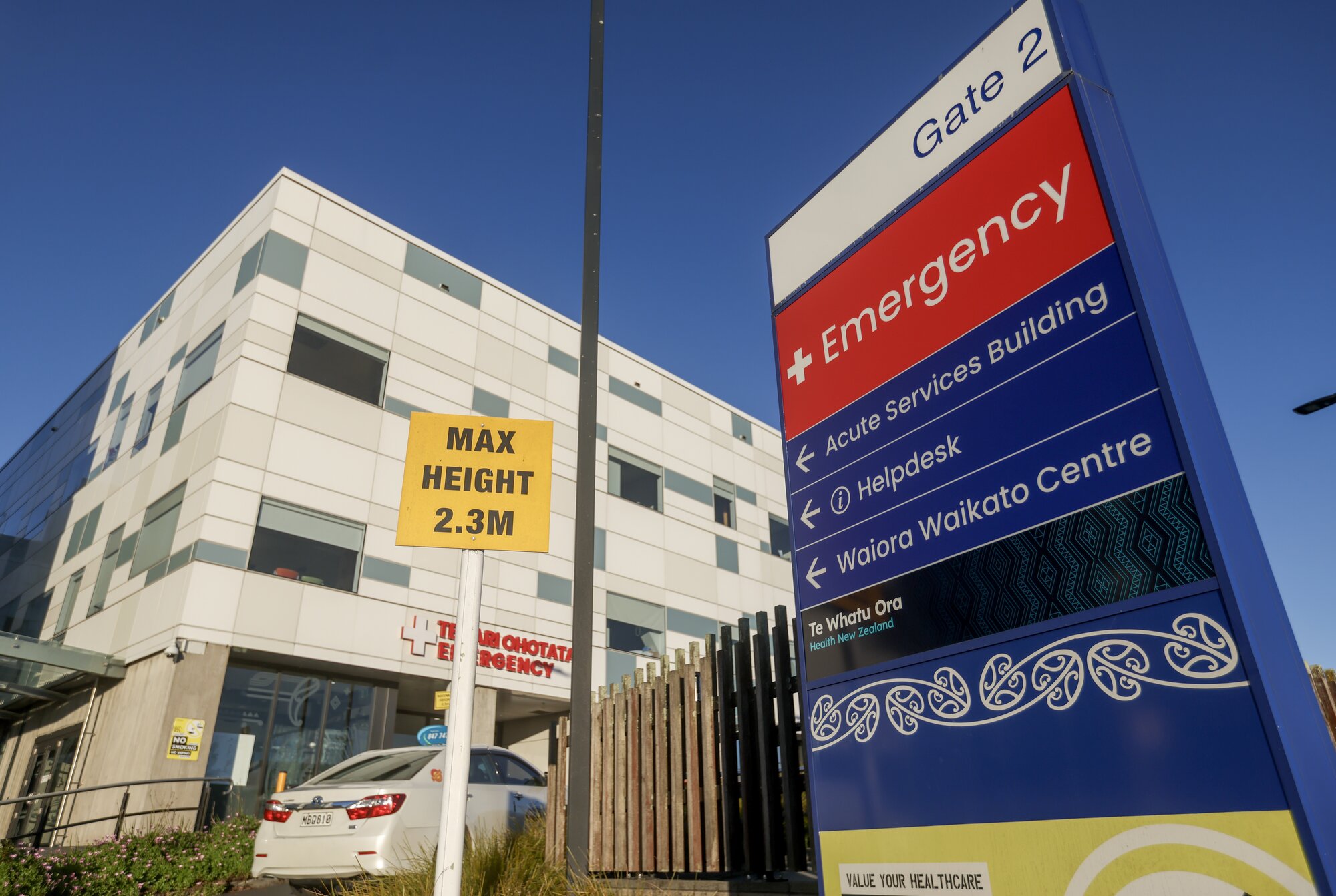
It comes after data provided exclusively to the Herald shows Waikato’s ED’s staffing levels, which the NZNO believe highlight that staff are regularly under pressure and numbers are stretched thin.
The data, which the NZNO said is pulled from HNZ’s own care capacity and demand system, includes “shift below target” (SBT) figures.
It features figures from January to April this year at Waikato ED, and an NZNO spokeswoman said it shows nearly two-thirds of all shifts for the first four months of the year were understaffed.
The data, supplied under the Official Information Act (OIA), shows the worst evening was April 13 this year when the ED was 138 nursing hours or 17 nurses short of safe staffing levels, NZNO said.
Waikato chief nurse officer Cheryl Atherfold said the SBT data was a “snapshot measure” that helps identify where resources are needed.
She said using this material in isolation to claim wards are understaffed was “unsafe and misleading”.
Atherfold said to manage increases in demand, experienced nurses can be deployed at short notice.
The OIA material also includes bed utilisation data for Waikato ED, which the NZNO said shows occupancy levels were above 100% for every shift in the first four months of this year.
Atherfold said bed utilisation data is not an accurate reflection of capacity or demand.
However, HNZ’s chief executive director for Midland, Cath Cronin, has publicly stated that Waikato’s ED has recently been operating “at or above capacity”.
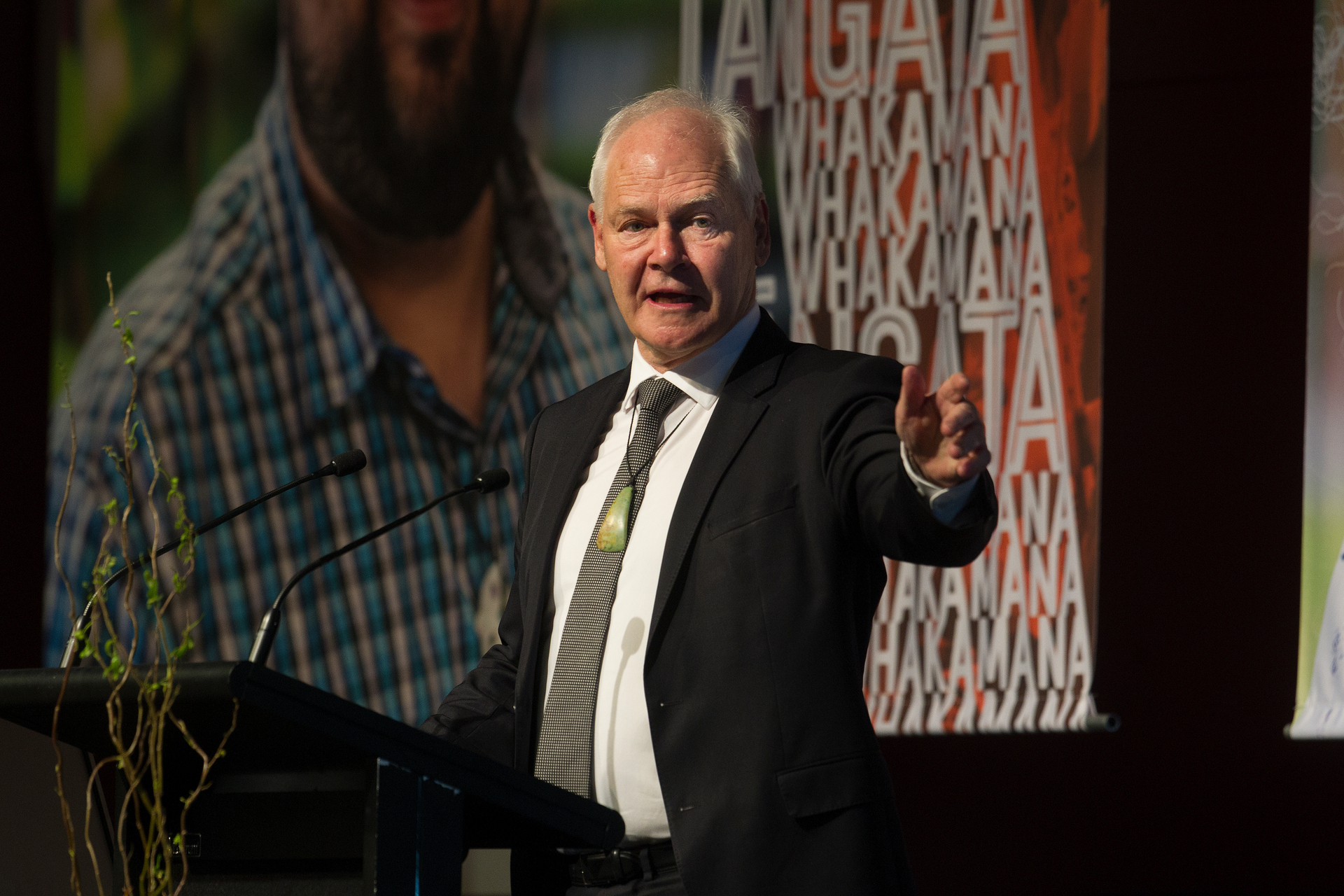
Despite conflicting interpretations of the data, NZNO executive director Paul Goulter was unequivocal in his assessment, saying the union had spent 20 months raising concerns about unsafe staffing and patient safety.
He wanted an independent inquiry into what happened at the Waikato ED and accused HNZ of “obfuscation”.
The day before the man’s death, Waikato ED nurse Tracy Chisholm told the Herald about staff being under pressure amid a wave of presentations.
HNZ has not said whether Waikato ED was understaffed on Tuesday when the man died, nor whether he waited nine hours, despite witnesses and hospital sources confirming this.
Timeline of tragedy
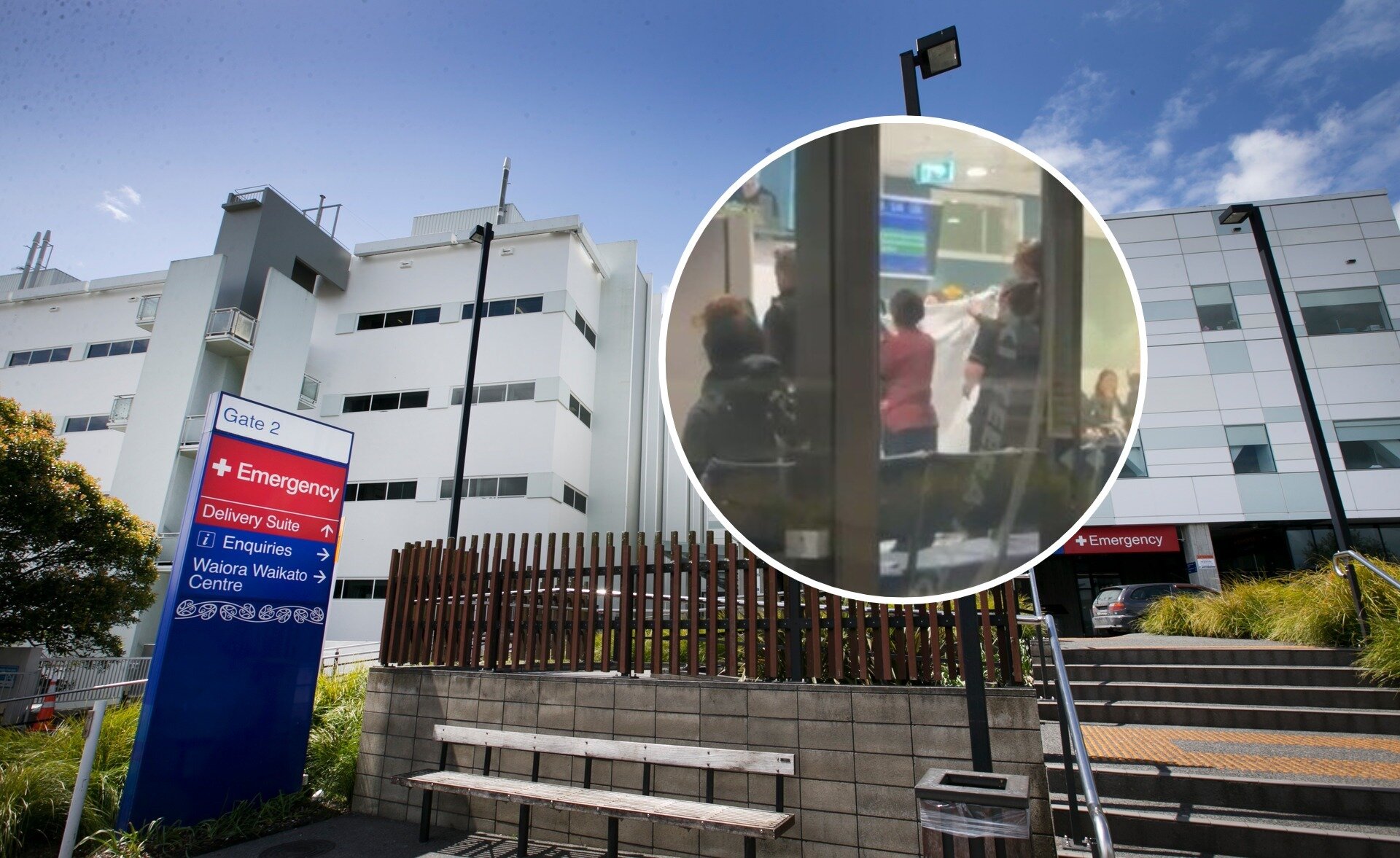
A hospital source has told the Herald the man who died arrived at Waikato ED at 3.40pm on Monday, June 29.
At 1.13am on Tuesday, the man was wheeled through the waiting room on a hospital gurney as a nurse performed chest compressions.
The source said the man was formally declared to have died at 1.30am.
The man was in a toilet cubicle when Hamilton woman Zanae Kahu King heard a loud bang, found the man on the floor and notified security.
Another ED patient, Grace Minardo, who was in another toilet, heard “doctors come running”.
“We heard a whole lot of commotion: ‘Pass me the adrenaline. Check the pulse; there is no pulse’.”
The Herald put the timeline of events to HNZ for comment, but it has yet to respond.
Michael Morrah is a senior investigative reporter/team leader at the Herald. He won News Journalist of the Year at the 2025 Voyager Media Awards and has twice been named reporter of the year at the NZ Television Awards. He has been a broadcast journalist for 20 years and joined the Herald’s video team in July 2024.