Media Insider: RNZ board shake-up - David Seymour expects changes, outgoing chair hits back; Maiki Sherman steps down as TVNZ political editor; ANZ announces new ad agency
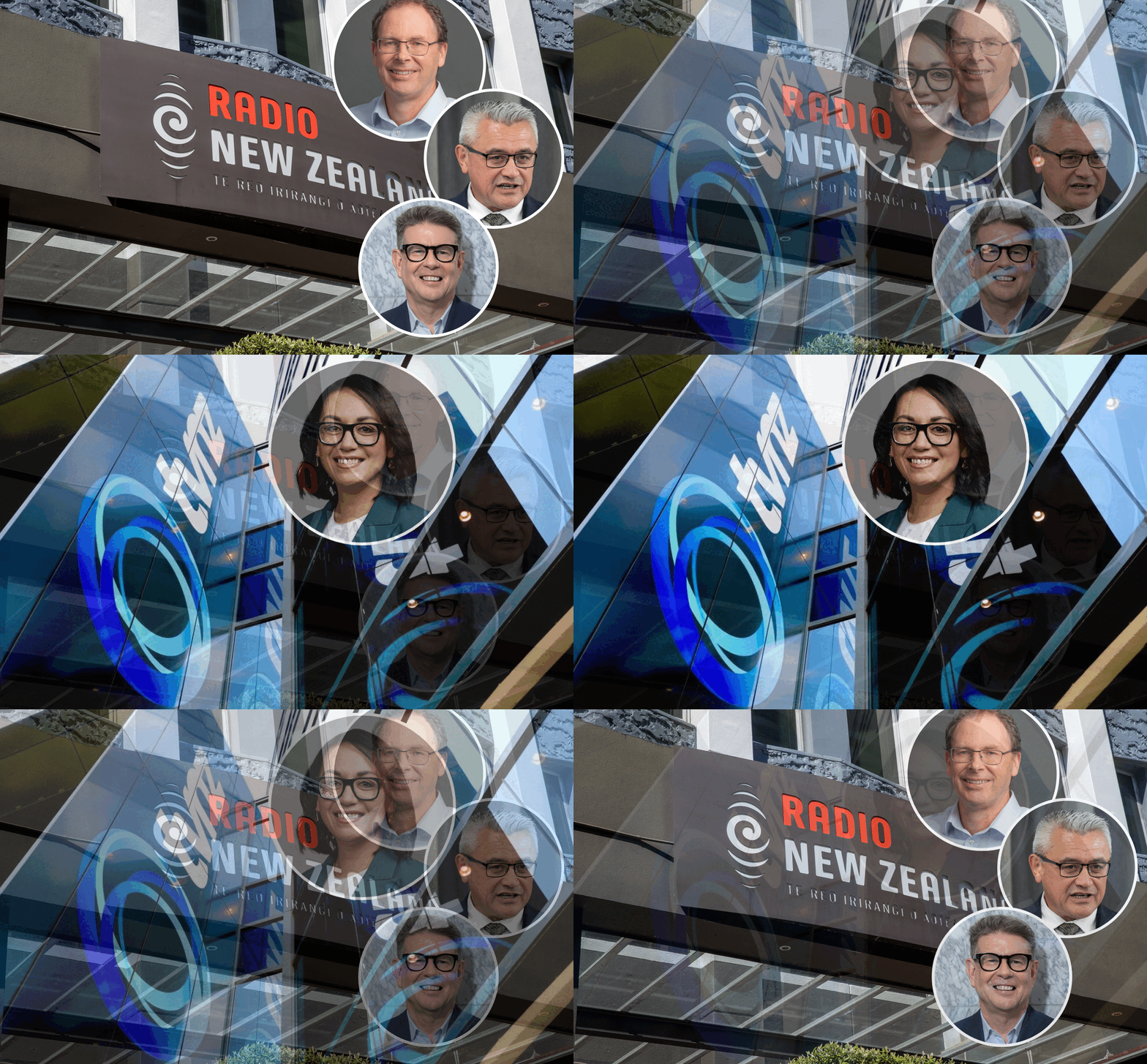
A new-look RNZ board is likely to oversee major changes but the outgoing chair has hit back strongly at comments by David Seymour; Maiki Sherman steps down; ANZ announces new ad agency while Air NZ account up in air; Barry Soper book a best-seller; Journalist withdraws from media awards - unnecessarily, says their employer.
With the Broadcasting Standards Authority destined for the scrapheap, the coalition Government firmly has its sights on the performance of RNZ, with upcoming board changes set to intensify the pressure on its management team.
Without naming RNZ chief executive Paul Thompson, Deputy Prime Minister and Act leader David Seymour told The Platform, “that guy’s got an awful lot to answer for and I suspect that he won’t be answering the call at RNZ for much longer”.
But soon-to-depart RNZ chairman Jim Mather has hit back strongly at any suggestion of Government influence on its operations, reiterating that “editorial independence is fundamental and non‑negotiable”.
Opposition politicians and journalism academics have also criticised Seymour over his comments.
Seymour, in turn, has said that editorial independence did not mean “freedom from accountability”. He told Media Insider that while he respected many of the journalists at RNZ, “I just think, overall, RNZ is a tragedy”.
Media and Communications Minister Paul Goldsmith sent a blunt letter to the public broadcaster in March, outlining his expectations around audiences, public trust and prudent financial management.
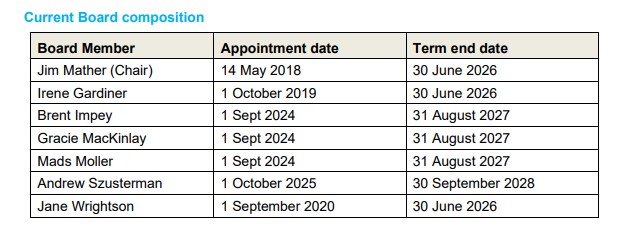
With RNZ’s longest-serving board members (Mather, Jane Wrightson and Irene Gardiner) about to depart, a major shake-up is on the cards at board and - possibly later - executive levels.
There are also questions of whether RNZ faces further cuts in the upcoming Budget.
By July 1, all seven board members will be appointees under this coalition Government since 2023, with incumbent director Brent Impey set to become chairman, Media Insider understands.
Seymour did not hold back in an interview with Michael Laws on The Platform last week, saying he believed there would be a management overhaul in the wake of a new-look board.
“We have appointed most of the people on the board and replaced and refreshed them,” Seymour told Laws.
“There are a few more appointments to come. I think it’s really critical that we are ensuring that we get better people on the board, and those people will change the management.”
He told Laws he was as “frustrated as you” about RNZ.
“The question is, what can we realistically achieve with the time and resources we have ... turning over the board, having the board turn over the management, changing the direction of the organisation.
“That will happen. But as Rachel Hunter once said, ‘It won’t happen overnight’.”

Without specifically naming Thompson, Seymour was critical that the RNZ chief executive, who is also the organisation’s editor in chief, had overseen the appointment of John Campbell as RNZ’s new Morning Report co-host.
Seymour told Laws, “Look, that guy’s got an awful lot to answer for, and I suspect that he won’t be answering the call at RNZ for much longer.”
RNZ responds
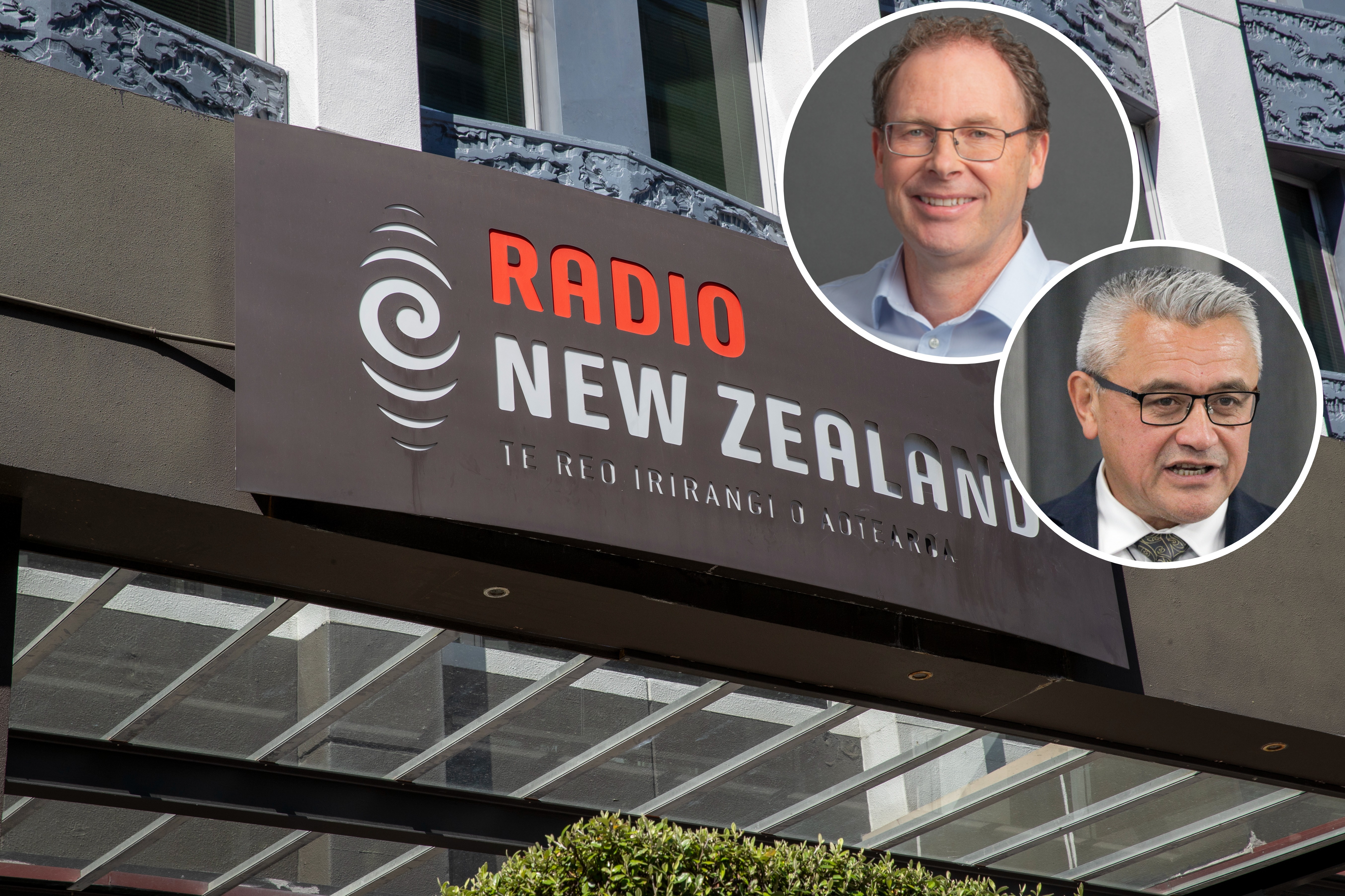
RNZ chairman Jim Mather released a strongly worded statement after being approached by Media Insider.
“Editorial decisions, including appointments to senior editorial roles, are the sole responsibility of RNZ management and are made in accordance with journalistic merit, statutory obligations, and the well‑established public‑media convention of audience need,“ he said.
“Political views, ministerial commentary, or external pressure play no role in those decisions.”
He said the RNZ board was appointed “under statute to provide governance and oversight”.
“It does not direct editorial content, and ministers do not direct the board or management. Any suggestion that board appointments are intended to influence management outcomes or editorial direction is inconsistent with the arm’s‑length framework that underpins public trust in RNZ."
Mather said public scrutiny of RNZ’s performance and funding was appropriate and expected.
“That scrutiny must, however, respect the clear and necessary separation between ministers, governance, management and the newsroom.
“Commentary that publicly links board changes, management tenure or editorial appointments to political perspectives risks undermining confidence in RNZ’s independence and the integrity of its journalism.”
Seymour: A ‘tragedy’
I went back to Seymour early yesterday to follow up on his comments on Michael Laws’ show last week.
“I just think RNZ overall is a tragedy,” he said.
“There are very capable people, some great journalists there, and a lot of people who actually have the mission that we would all like media to take on, that is to accurately and fairly report what matters.
“Many times I’ve said that the gallery team that Jane Patterson built is the best in Parliament, and I think that’s continued under Jo [Jo Moir].
“But I look at the overall organisation. Audience, trust, it’s all been in freefall - I know they’ve upticked recently - but when I challenge them about this, they say, ‘Oh, well, that’s happening to all media’.
“What’s the point of RNZ if they just follow the trends of every other media outlet? So that is a tragedy.”
He later told RNZ itself, following Mather’s statement: “I have not given RNZ or TVNZ any direction that would breach either Act. Decisions around staffing, presenter line-ups, and editorial matters are for boards and management. Anyone who thinks RNZ is taking editorial instructions from me clearly does not listen to RNZ.”
Seymour told RNZ that editorial independence did not mean “freedom from accountability”.
“The government appoints boards, sets broad, non-editorial expectations, and ministers are entitled to comment when publicly owned media organisations are losing audience, relevance, or public confidence,” he said.
The Act Party clearly does not want taxpayer money being funnelled to RNZ. It believes it should be privatised.
“We haven’t finalised everything, but it was in our alternative budget,” Seymour told Laws.
“There’s no love lost between us. I think you can safely say that [we believe] they should be selling advertising like everyone else, and good luck to them. They’ll find out how valuable they really are.”
The Minister responds
As Media Insider reported last month, Media and Communications Minister Paul Goldsmith wrote a sternly worded letter of expectations to RNZ in March, telling the public broadcaster that the Government wanted further savings “to be identified and realised to ensure RNZ’s long-term financial sustainability”.
RNZ told Media Insider at the time that it was already well in hand with cutting its costs over the past 12 months, and since the Government reduced its annual funding by almost $5 million.
It detailed a range of cost-saving measures and said staff numbers sat at 342 - a 5.3% reduction on the previous financial year.
Goldsmith told Media Insider yesterday that decisions about RNZ management were not something the Government was involved in.
“The Cabinet appoints the board, and we give them very clear instructions about what we want.
“Two of the primary focuses are increasing audience share as a measure of progress and also building levels of trust.
“But also that they manage the entity in a way that is financially sustainable within the funding that they’ve got.
“Decisions about management are directly for the board, not something that we as politicians or ministers get directly involved in.”
Media Insider asked him directly, “Do you have confidence in the RNZ management?”
He said: “My confidence lies within the board and obviously we’re making changes to that, and that’s my primary lever.”
Goldsmith said he was not going to be critical of past board members, but “we’re very confident with the quality of our appointments as they come through”.
The Government announced in last year’s Budget that RNZ’s funding was being cut by $18m over the next four years - this equated to $4.6m a year, which was equivalent to about 7% per cent of its annual operating budget of $67m.
Asked whether the overhauled board would be handling an even smaller budget in 2026-27, Goldsmith said: “You know I can’t answer that question.”
John Campbell: ‘I am faithful to the requirements of journalism’
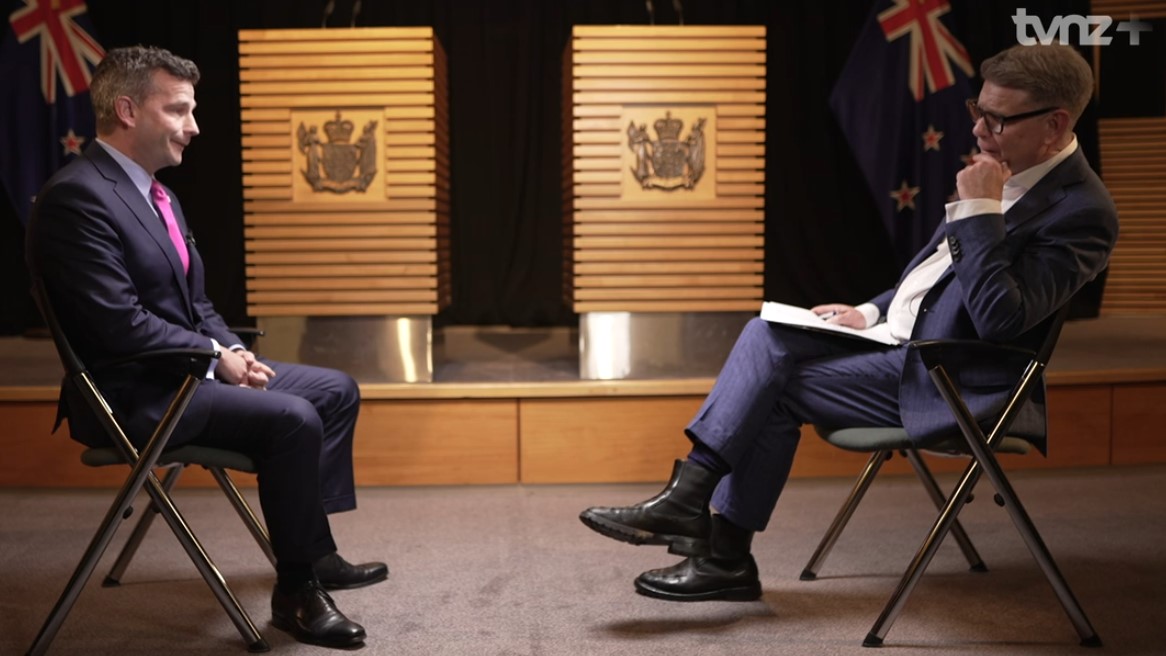
David Seymour’s issues with John Campbell as Morning Report co-host stem partly from past columns that he’s written for TVNZ in which Campbell has criticised the coalition Government.
In one column, days after the coalition deal was signed in 2023, Campbell described Seymour, Winston Peters and Christopher Luxon as empty of ideas.
“I’m not too upset about that. I don’t want to talk to the guy if I don’t have to,” Seymour told Laws.
The problem was, he said, Campbell’s elevation to Morning Report co-host.
“You would hope that people would see the job of being the Morning Report interviewer on what was the most popular radio show until Hosking [Newstalk ZB host Mike Hosking] ate their lunch ... you would think it would be such a prestigious position that only people who have absolutely kept the highest level of probity and above politics and only there for the story and interview ... it should be the job of a lifetime.
“Anyone who has written the kinds of things that John Campbell has written ... sorry mate, I mean if you want to write that stuff you can, but it’s out of the question that you’d get this job.
“Unfortunately, that’s not how the current management of RNZ thinks.”
Campbell told Mulligan that he was not concerned about being perceived by some people to be left-leaning or that the broadcaster has become “too woke” or “too left”, and that this is a reason it has lost listeners.
“I’m not worried about that ... the kind of people who are saying that – we need to ask why they’re saying it, what their agendas are, who they are,” Campbell said.
“I’ve spent so long doing this. I look back over my career ... one of the examples I always give, possibly the interview that made people angriest, was Corngate when Helen Clark was Prime Minister.
“I remember Alex, my daughter, was little, and I was pushing her in a buggy through Three Lamps [the inner-Auckland suburb], and this person loomed out of frame, hovered above the buggy, and leaned in and said, ‘I pity you having him for a father.’”
Campbell later added in the interview with Mulligan: “I know that when I interview somebody I am faithful to the requirements of journalism, and that is to treat people fairly.”
Jim Mather, meanwhile, said RNZ remained focused on its core purpose: “serving New Zealanders with fair, accurate and independent news and current affairs”.
“Its governance and management settings exist to safeguard that purpose, not to accommodate political preference.”
He said it had been a privilege to serve as chairman.
“RNZ now reaches more New Zealanders than ever before, we are growing both digital and radio audiences and we are considered New Zealand’s most trusted news brand.”
Maiki Sherman steps down

TVNZ political editor Maiki Sherman has today announced she is leaving the broadcaster.
“The level of scrutiny on me this past week has been unprecedented, and this has placed enormous pressure on me,” she said in a social media post on Friday.
“My role has become untenable, and so I am finishing up with TVNZ today.”
She had not been spotted back at work at Parliament by insiders this week, despite having served a five-day suspension.
The suspension was handed down by Speaker Gerry Brownlee following Sherman’s attempts to interview National Party whip Stuart Smith in an off-limits area, late at night.
Sherman was originally assigned to cover PM Christopher Luxon’s short trip to Singapore this week, but she was replaced by a colleague, Mei Heron. Her Parliament suspension would not have prevented her from covering the PM’s trip.
Earlier, a TVNZ spokeswoman would not confirm whether Sherman herself had pulled out of the PM’s trip, or if TVNZ had made the call.
While Sherman’s parliamentary suspension ended on Wednesday morning, she had not been spotted at the precinct this week. Her reporting has been absent from the 6pm news.
All of these factors heightened speculation about Sherman’s future at TVNZ, ahead of today’s announcement.
Media Insider understands both TVNZ and Sherman have had legal representation, with the broadcaster using Minter Ellison Rudd Watts.
A TVNZ spokeswoman would not confirm this or answer a list of other questions yesterday, reiterating that the company does “not comment on employment matters”.
Sherman, who has also faced a barrage of media coverage over an incident in which she allegedly called Lloyd Burr a “f***ot” during an incident in Nicola Willis’ office last May, has not answered calls or a specific message this week.
In his interview with Michael Laws on The Platform last week, Deputy Prime Minister and Act leader David Seymour said: “I’m sure that the [TVNZ] board and management will be seeing that, you know, it’s pretty difficult to have someone credibly fronting the news every night when everyone knows how she behaves. I think that’s going to be tough for them.”
Advertising shake-up: ANZ’s new agency, Air NZ account up in air
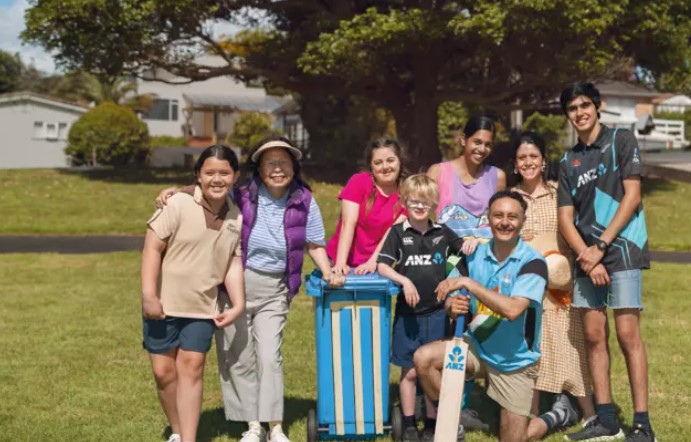
One of the country’s biggest and most lucrative advertising accounts is heading to a new agency.
Publicis-owned MBM has won the media-buying pitch for ANZ bank.
MBM was one of five agencies, including incumbent PHD, involved in the highly anticipated pitch drawn out over many months.
ANZ spends tens of millions of dollars a year in advertising, making it one of the country’s biggest and most important agency accounts.
Losing ANZ after 15 years will be a blow for Omnicom-owned PHD.
ANZ said in a statement to Media Insider that pitch participants were evaluated against a detailed brief encompassing media strategy, technology capability and marketing effectiveness.
“The review is part of our focus on ensuring we have the right model to support the bank’s strategic priorities amid an ever-evolving media landscape,” ANZ chief marketing officer Astrud Burgess said.
“We would like to sincerely thank PHD for their partnership over the past 15 years. It has been a highly successful relationship over a long period with many significant campaigns and milestones.
“Our relationship with PHD has included many defining brand moments for ANZ. We’re extremely grateful for the commitment, creativity and collaboration the PHD team has brought to ANZ over the years.”
She said MBM had “demonstrated a strong, future-fit media capability, an experienced team and a best-in-class model that best fits ANZ’s requirements”.
“The media landscape is changing quickly, with new technology, data, AI, and shifts in media formats and agency models,” said Burgess.
“We want to ensure we’re well-positioned for the future and we’re excited to see what the MBM team can bring.”
The transition will occur over the coming months.
ANZ said there would be no changes to ANZ’s other agency relationships, including creative agency TBWA New Zealand and Track.
ANZ Australia is also reviewing its media partnerships for Australia, but no decision has been made.
Air NZ ad account up in the air
The Warehouse, Westpac, and ANZ have all been shaking up their advertising accounts.
Now it’s Air NZ’s turn.
The airline’s media buying and planning contracts - currently the domain of Dentsu and Starcom - are up for pitch for the first time in years.
Dentsu has held the account since 2017.
It is expected to fight hard for the account, alongside other major global-owned companies such as PHD and perhaps a selection of independent New Zealand agencies.

An Air NZ spokeswoman confirmed the airline was “currently reviewing our media agency support to make sure we have the right partners in place for the next phase of the Air New Zealand brand, and how we continue to connect with customers across a rapidly changing mix of channels”.
“We can confirm that both our incumbent media agencies, Dentsu and Starcom, are part of the review process,” she said.
“We highly value both partners and their capabilities. We can’t comment on other participating agencies while the review is underway.”
She hoped the review would be completed in the next few months.
The review did not encompass the airline’s creative agency partnerships.
As Media Insider revealed last December, Air New Zealand’s latest flight safety video – one of the anticipated events on the creative advertising industry’s calendar – has been grounded after falling victim to cost-saving.
While that was on hold, the airline did release a new brand ad in December, a campaign led by another creative agency and featuring musician Marlon Williams. The ad is a return to some old-school creative values, with epic, sweeping landscape shots and an emotional soundtrack.
The airline regularly releases new flight safety videos – there have been 23 in the past 16 years. But the gap between the existing video featuring Kiwi NBA star Steven Adams and a new one – hopefully some time later in 2026, the airline said earlier – would be one of the biggest.
Right now, the airline is instead rolling through some of the flight safety videos from its archives to keep passengers – including frequent flyers – engaged.
As Media Insider reported earlier, and before it had been put on hold, creative agency Bastion Shine had been working with the airline on the latest safety video, potentially with AI elements.
RNZ journalist withdraws as media awards finalist
An RNZ journalist has withdrawn his name as a finalist in one of the categories at this year’s New Zealand Media Awards even though he didn’t have to, says his employer.
The journalist was a finalist, alongside two others, for the Le Mana Pacific Award.
It is understood that the journalist’s entry focused on his specialist work in a series of stories in which he worked alongside another journalist.
“A journalist at RNZ entered the Le Mana Pacific Award category at the ... Media Awards after being strongly encouraged to do so by senior editorial staff at RNZ who recognised the fantastic work the journalist had undertaken over the past year,” said RNZ chief news officer Mark Stevens.
“When concerns about the entry were raised by a journalist outside of RNZ, I reviewed the entry and found no cause for concern.
“Their work was top class, both in terms of showcasing important Pacific stories and the high journalistic standards demonstrated. The entry also entirely legitimately acknowledged their work in the stories that were submitted for judging.
“Despite my full support and endorsement of the entry, the RNZ journalist chose to withdraw it. I respect their decision, but am disappointed an RNZ journalist will not get the opportunity to be recognised at an industry level for their exceptional work.”
Barry Soper book a best-seller
Broadcaster Barry Soper’s new memoir has soared to the top of New Zealand’s best-selling book lists, according to NielsenIQ data.
One Last Question, Prime Minister focuses on Soper’s time in Parliament, and his judgment of 12 PMs, from Sir Robert Muldoon to Christopher Luxon.
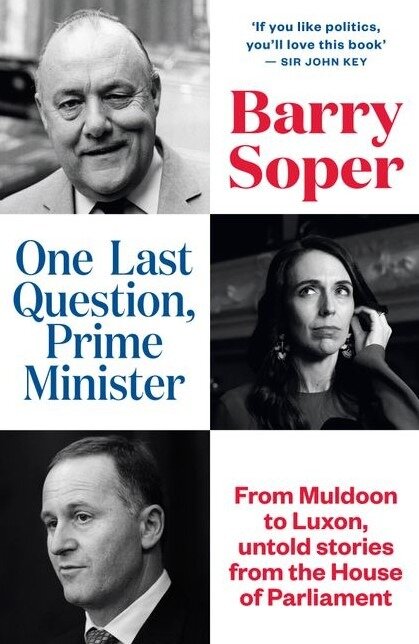
“Barry’s insight into parliament is second-to-none, and given he is such a gifted storyteller, it’s no surprise he’s topped the bestseller chart,” said HarperCollins publishing director Alex Hedley.
“As John Key says in his foreword, ‘It’s fair to say Barry knew, and still knows, where all the bones are buried.’
“The book has received terrific reviews from across the spectrum, and we couldn’t be happier for Barry.”
Where to now for the BSA?
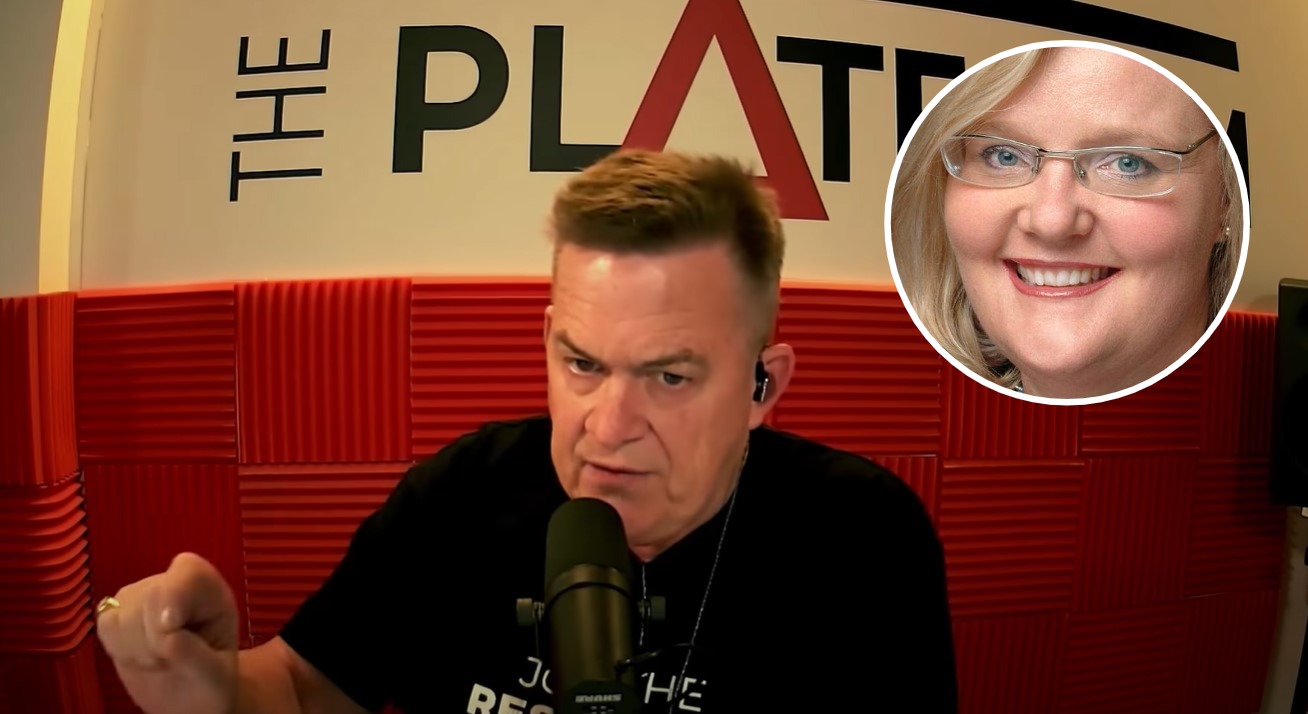
One of the fascinating questions arising from the pending abolition of the Broadcasting Standards Authority is what becomes of the complaint that led to the saga unfolding in the first place.
Will the BSA still adjudicate on the complaint against The Platform and host Sean Plunket’s comments about Māori tikanga “mumbo jumbo”?
Plunket himself is ignoring the BSA’s correspondence on it all.
BSA chief executive Stacey Wood said: “The Minister has said the BSA will, in the meantime, continue in its role under the Broadcasting Act. We’re awaiting further advice on [Wednesday’s] announcement and will work through what this means for existing and ongoing work.”
Businessman Troy Bowker was pleased that Media and Communications Minister Paul Goldsmith had made the call to scrap the BSA.
“As you know, I’m funding the litigation the BSA has with The Platform. If the BSA had not been shut down by Goldsmith, I would’ve paid whatever it took to prevent them from their ridiculous attempt to regulate the internet. It was the most bizarre and Orwellian overreach from the BSA. They cancelled themselves.”
Meanwhile, a chipper Plunket says broadcasters such as Sky TV, TVNZ and NZME owe him a lunch - he points out he’ll be saving them tens of thousands of dollars in annual BSA levies.
BSA decisions
A day after the announcement of its imminent demise, the Broadcasting Standards Authority has bared its teeth, revealing it has upheld complaints about TVNZ’s coverage of comments made by US President Donald Trump. READ THE FULL STORY HERE
The Chase NZ host Paul Henry has narrowly outrun the Broadcasting Standards Authority, after a complaint about comments he made about Indian food on the quiz show. READ THE FULL STORY HERE
PR ‘conflict’ claim – NZ Herald journalist resigns
A senior NZ Herald journalist has resigned after allegations he was also working in a public relations capacity for a publicly funded trust headed by his sister. READ THE FULL STORY HERE
‘Ferry-tales’: Winston v The Post
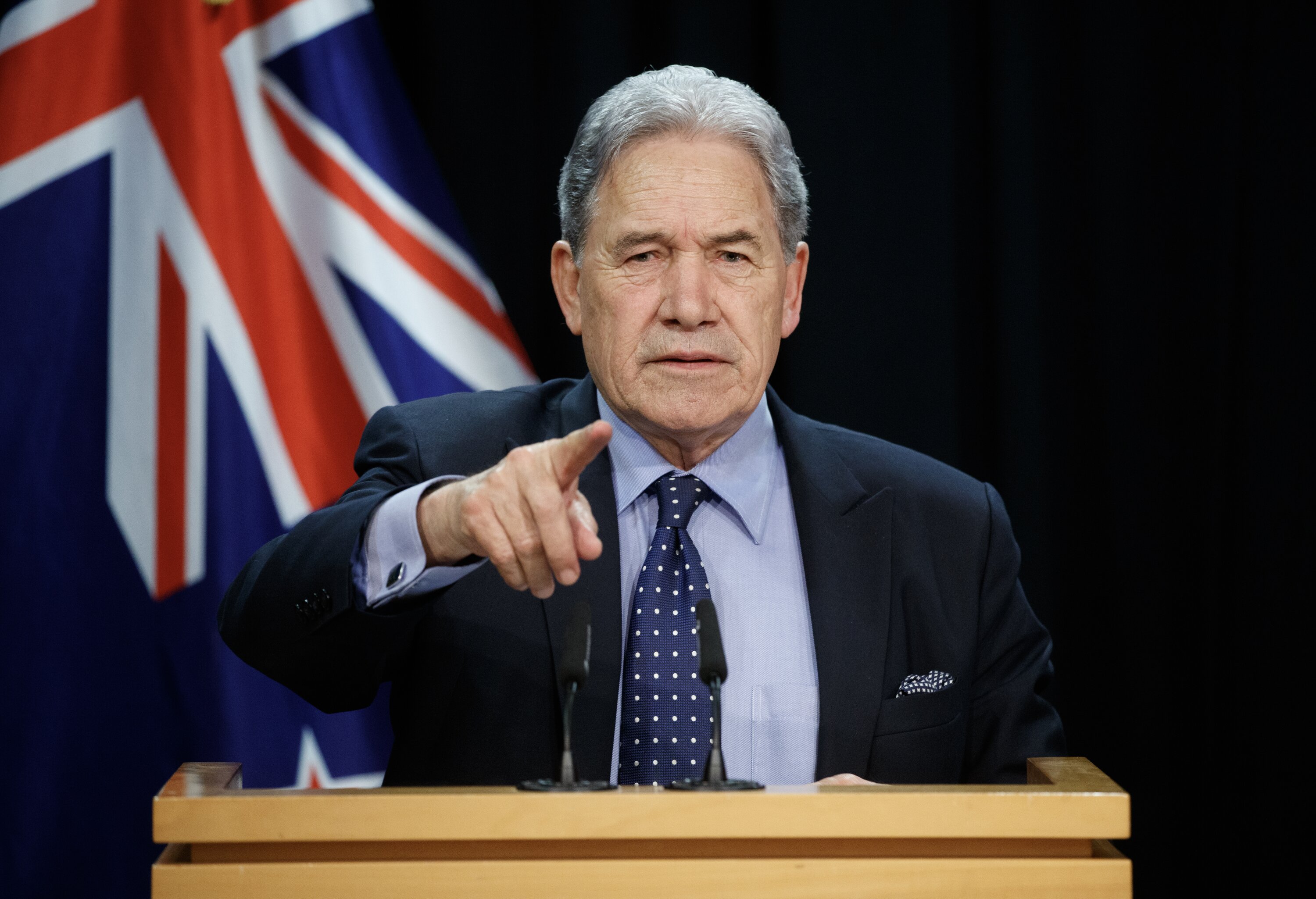
NZ First leader Winston Peters has been quick this week to trumpet his win against The Post at the Media Council, which found the Stuff-owned Wellington publication’s story and headline about the interisland ferry project costs being “overbudget” were wrong.
The Media Council found that The Post article on March 11, reporting that the interisland ferry project was $167 million over budget, misled the public.
“The central claim in the headline and article is that the total cost of the ferry replacement project is ‘over budget’,” said the Media Council.
“There is no evidence that is true. The article claims the current cost estimate is $1.867b, ‘already exceeding the $1.7b Crown-tagged contingency approved by Cabinet in March 2025′.
“In as far as it goes, that statement is true. The cost estimate for the entire project is $1.867b. The Crown contribution is $1.7b. There is a $167m gap between those numbers. But that is stating no more than the Government said itself in November 2025. That is precisely on budget. To say the project is ‘over budget’ is not true.”
The council said The Post "seems to have either misread a) the ‘current cost estimate’ of $1.867b in the new documents as something other than the budgeted cost or b) the Government’s November 2025 announcement".
After the initial publication of the story and following a complaint from Peters’ office, The Post offered the minister an opportunity for comment to be added to the story, but this was not taken up.
Instead, his office wrote a letter to the editor and a follow-up email to The Post, but this correspondence ended up in a spam folder. The letter was not published.
The Post defended its story to the Media Council, and also took issue with comments that Peters made on social media at the time it was published, in which he accused The Post of “shoddy” journalism.
The council said it did not have jurisdiction over the social media comments, “except to note that ... both freedom of expression and an independent media are vital to our democracy”.
On X this week, following the release of the council decision, Peters took another swipe at The Post - accusing it of “ferry tales” - and the reporter who wrote the article, Andrea Vance, who was named the political journalist of the year at last year’s Voyager Media Awards.
“Good luck on becoming ‘Journalist of the Year’ this year. Bon voyage.”
ChatGPT defence
An intriguing sidebar angle to Peters’ complaint came from an eagle-eyed worker in his office.
They noticed, in the PDF document properties, that The Post’s response was labelled “Media Council complaint chat gpt response”.
Peters noted this in his own, second response to the council.
“I did see Winston’s comment about ChatGPT,” The Post editor Tracy Watkins told Media Insider.
“It was a typical Winstonism - some truth and some mischief!
“The response to the complaint was written by me, with input from the reporter.
“We then use a custom GPT which is trained with the Media Council principles, to review the response. This tool helps us address any areas where we have not responded to issues raised by complainants.
“AI review of important documents can help identify areas for improvement and is a useful tool in modern workplaces.
“It’s a great time saver and is exactly the sort of thing we should be using AI for. You may be interested to know that AI detector - a tool for detecting AI use in text - estimates that about 9 per cent of the text was ChatGPT and the remaining 91 per cent was human-written. This feels about right to me.”
Editor-at-Large Shayne Currie is one of New Zealand’s most experienced senior journalists and media leaders. He has held executive and senior editorial roles at NZME including Managing Editor, NZ Herald Editor and Herald on Sunday Editor and has a small shareholding in NZME.