Media Insider: RNZ shake-up: New board chair, directors revealed; Who’s in line to be CEO?; PR boss: ‘All the big ad agencies are morphing into PR stunt agencies’
Revealed: RNZ’s new chair and directors assume roles at a pivotal time in the broadcaster’s history; Who’s in line to be CEO?; PR boss: ‘All the big ad agencies are morphing into PR stunt agencies’; TVNZ v Jim Grenon - a day in court; ‘What the f***?’: Dame Lynda Topp’s impassioned music awards speech.
One of New Zealand’s most renowned business and media leaders has been named today as the new chair of RNZ – he is expected to oversee big changes at the public broadcaster.
In comments to Media Insider, Brent Impey says the new role is a privilege, as he outlines three key areas of focus – enhancing trust, lifting RNZ National’s radio ratings and continuing to grow its digital audience.
As earlier predicted by Media Insider, Impey – a current RNZ director – will step up to become the new chair on July 1. He replaces chair Jim Mather, whose board tenure ends after eight years.
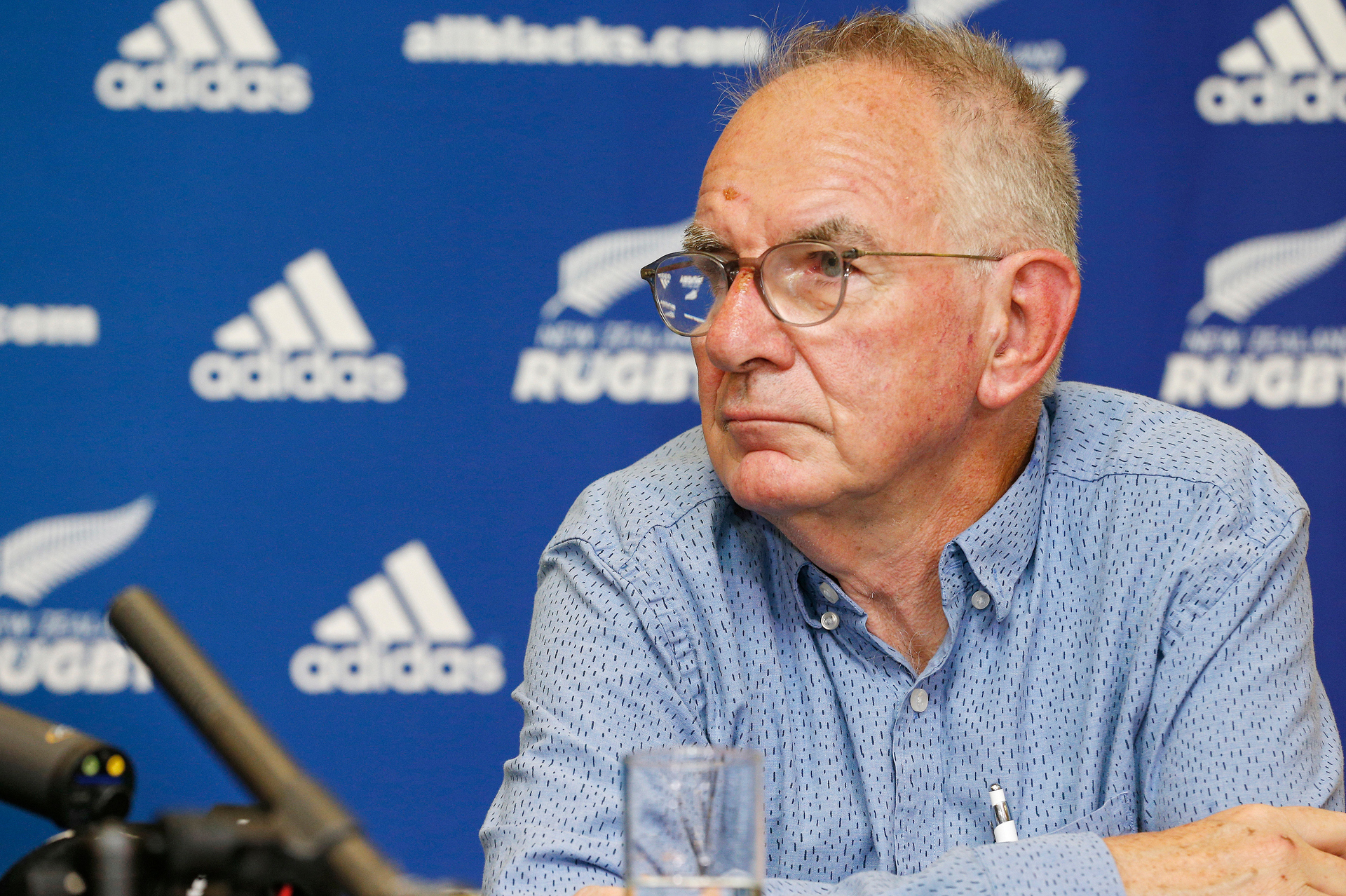
Two new directors – Paula Browning and Richard Dellabarca – have been appointed to the RNZ board at the same time, replacing longstanding governors Irene Gardiner and Jane Wrightson, who, like Mather, depart on June 30.
“It’s a privilege to take on the role,” Impey said last night, while also acknowledging and thanking Mather for his own time as chair.
“I believe that in today’s media world, publicly owned media has a role in terms of developing and ensuring trust. That’s important.”
Other key challenges were building RNZ National’s ratings and “to ensure the digital side – whether it’s the news website or podcasts – grows”.
RNZ radio ratings – which had started to rebuild momentum in late 2025 – have dropped back, according to the first ratings survey of 2026. It has fallen from the country’s third-biggest radio station to sixth.
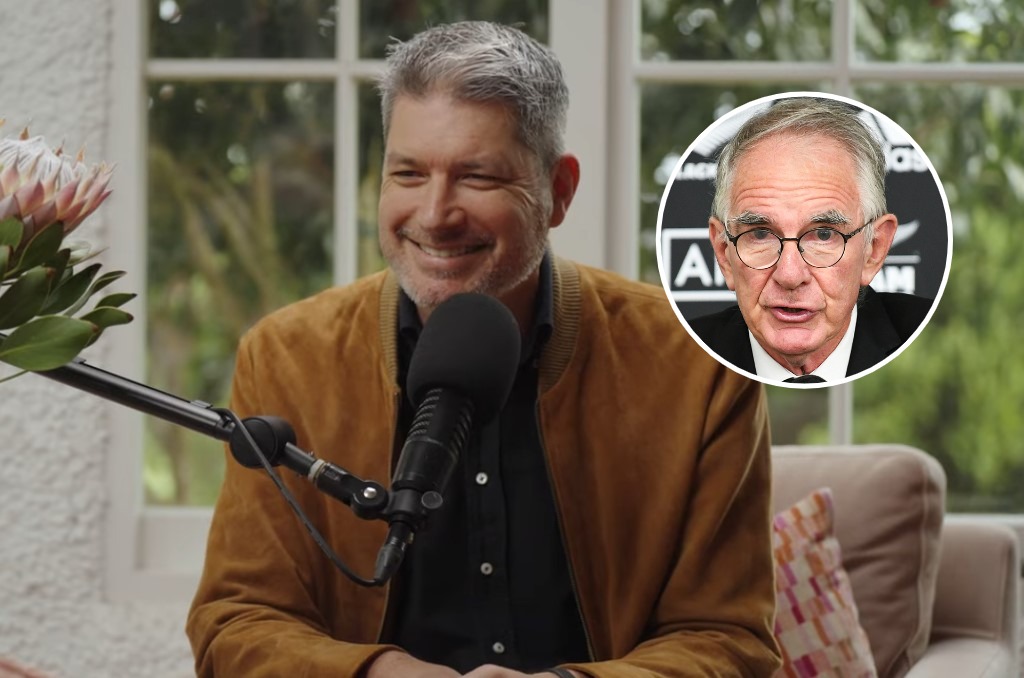
One of the new-look board’s biggest, initial tasks will be to find a new chief executive to take on myriad challenges, after Paul Thompson announced last Friday that he would be leaving at the end of the year, after 13 years as boss.
That announcement came just a few weeks after criticism from Deputy Prime Minister and Act leader David Seymour about RNZ and Thompson.
Mather made clear last week that it was Thompson’s decision alone to stand down. Thompson had signalled to the board last December that this would be his last year, Mather said.
The new board changes mean that all six RNZ governors have now been appointed during this current political cycle. With Impey’s elevation to chair, it means there is still one board vacancy.
Impey, a qualified lawyer, is well accustomed to working with politicians and has a reputation as a no-nonsense business leader.
He has had a wide range of directorships and governance roles and was previously the chair of NZ Rugby and a longtime chief executive of MediaWorks (2000-2009).
His media career has also included board roles at the Television Broadcasters Council, Advertising Standards Authority and Radio Broadcasters Association.
The recruitment of a new RNZ chief executive gives Impey and his new-look board the perfect platform upon which to make big changes.
At the same time, Impey has also reiterated the importance of journalism and broadcasting. “I hope that my record in terms of supporting editorial independence is known and respected. I do believe that.”
Media and Communications Minister Paul Goldsmith, in announcing Impey’s new role today, said: “Mr Impey’s elevation to chair provides critical continuity for RNZ’s governance and leadership. His decisive and transparent leadership style, deep media sector experience and commitment to journalistic independence will be valuable in guiding RNZ into the future.”
Goldsmith thanked Mather, Gardiner and Wrightson “for their significant contributions to RNZ during their tenure. I wish them all the best”.
And he welcomed Browning and Dellabarca. “They have a strong mix of governance and executive experience, including expertise in financial oversight, digital transformation and stakeholder engagement. Their collective skills will support RNZ in navigating the evolving media landscape.
“These appointments will bolster the board for the next three years, supporting RNZ to be a financially sustainable and trusted state broadcaster.”

Browning brings more digital technology expertise to the RNZ board. She is currently the part-time executive director of WeCreate Inc, an alliance of creative industries, and is deputy chair of the Auckland Regional Amenities Funding Board.
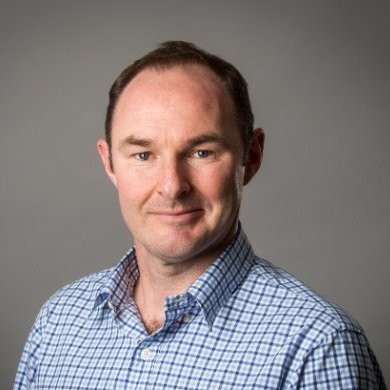
Dellabarca is an experienced governance professional and executive leader with expertise in financial management. “As a chartered accountant with a Bachelor of Laws degree, he brings a strong foundation in both finance and legal disciplines,” said Goldsmith.
Who will be the new RNZ CEO?
A good dozen or so names are worthy contenders to replace Paul Thompson as the boss of RNZ.
Thompson’s departure gives the new-look board a rare opportunity for a new leader who will need to balance a range of public broadcasting, political, staffing and budgetary pressures.
Yesterday, the Government announced a further cut to RNZ’s operational budget, so the new leader will need financial discipline, while also meeting audience demands.
The role doesn’t come up often – there have been just five RNZ CEOs (or equivalent titles) since 1984. At the same time, we’ve had 12 prime ministers.
It is increasingly one of New Zealand’s most scrutinised media roles – so much so that it should probably come with a health warning.
Internally, three names come to the fore – chief audio officer Pip Keane, chief news officer Mark Stevens and complaints custodian Andrew Holden. All three have strong journalistic pedigrees, as senior editors.
Of that trio, Keane has the most broadcasting experience, while Stevens is a former editor-in-chief of Stuff and Holden is a former editor of The Press in Christchurch and editor-in-chief of The Age in Melbourne.
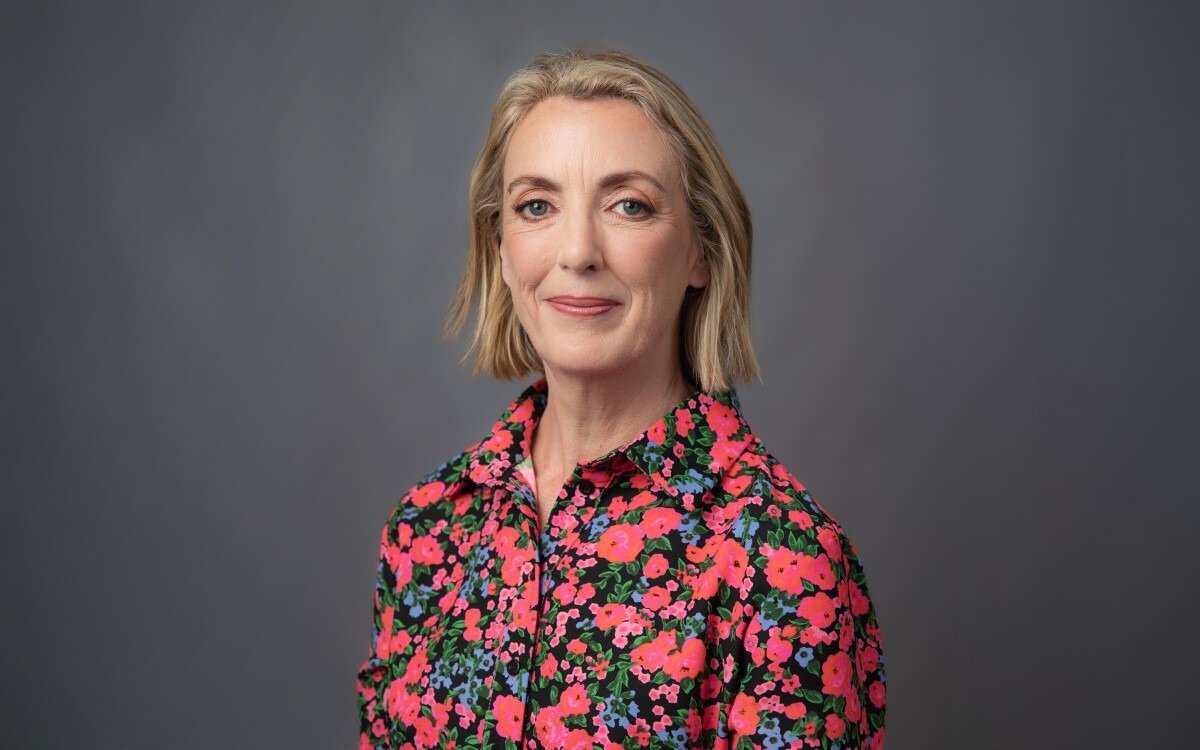
However, I suspect RNZ will look for a new chief executive outside the walls of its soon-to-be new home in the TVNZ building in central Auckland.
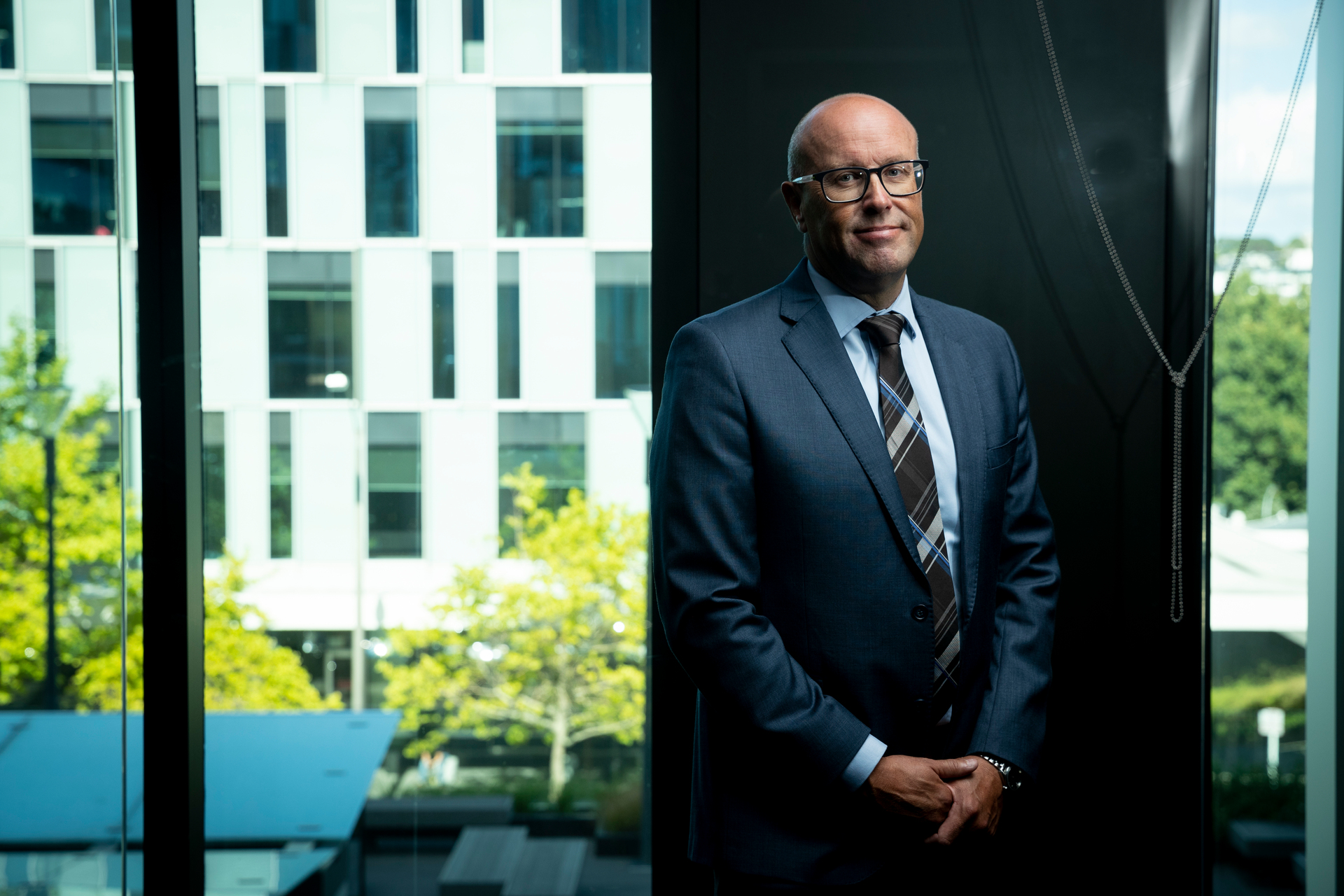
Media Insider is picking two big names to be near the top of the hitlist – Bankers Association chief executive Roger Beaumont and an existing RNZ board member, Andrew Szusterman.
Both are media junkies with strong broadcasting experience and strong talent-handling skills. Beaumont was a director of marketing and communications at MediaWorks for a decade before moving into the banking sector, firstly with ASB.
Szusterman was also at MediaWorks for a long period, and in a range of senior content and production roles. He is currently the managing director of South Pacific Pictures.
They both have strong political nous, too.
Recruitment firms are also likely to be interested in NZME chief audio officer Jason Winstanley and TVNZ chief news and content officer Nadia Tolich – both have played critical roles in Newstalk ZB’s success in recent years – but it will likely be difficult to prise them from their own top jobs.
Similarly, NZME chief marketing officer – audio Katie Mills and long-time MediaWorks radio executive, Jana Rangooni, a previous chief executive and chair of the radio broadcasters association, have strong radio backgrounds.
Former RNZ news boss Richard Sutherland – the man behind the scathing “Sutherland review” into RNZ radio last year – and former broadcasting executives Brent McAnulty, Dallas Gurney and Glen Kyne are also names to watch.
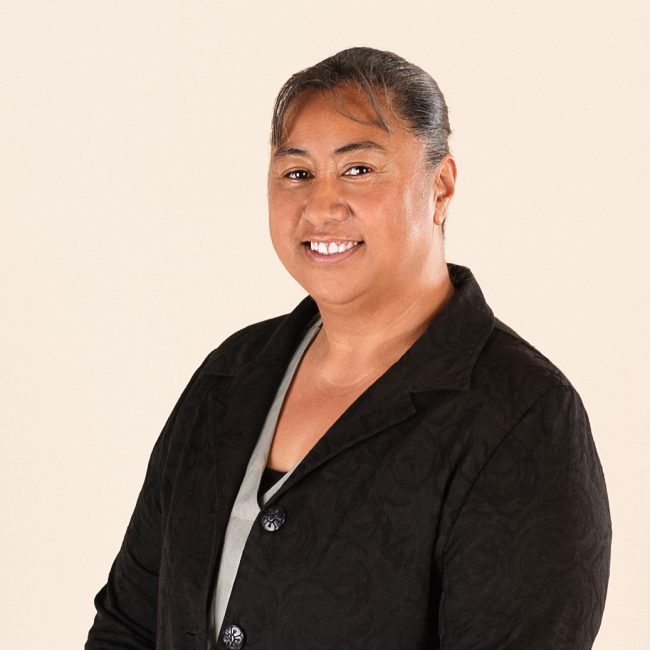
Pasifika TV chief executive Natasha Meleisea is also likely a strong option – she already works closely with Impey, who chairs the organisation.
The next CEO inherits an organisation caught between successfully building a modern digital news business, but losing traditional live radio listeners.
This week’s release of RNZ’s GFK audience data shows it is now trailing commercial news rival Newstalk ZB by 164,500 listeners (ZB is owned by NZ Herald publisher NZME).
Goldsmith has repeatedly said that digital reach is great, but live, linear radio cannot be treated like a sunset activity. He also wants to see an improvement in trust levels – RNZ tops the annual AUT Trust in News survey; the Government thinks it can still do better.
The new chief executive will need to handle RNZ’s budget squeeze over the next four years while fiercely defending editorial independence in an era of polarisation and heavy political scrutiny.
They will need the ability to manage relationships with politicians without letting them try to dictate content or who sits in the presenter chairs.
Media money
The Budget on Thursday delivered more funding for New Zealand’s domestic screen rebate and Māori broadcasting, but less for RNZ, NZ on Air, and the Film Commission.
RNZ has had its budget shaved once again – a $1.4 million baseline cut on top of a $4.6m annual reduction last year.
RNZ chair Jim Mather said RNZ acknowledged “the current fiscal challenge and that its funding reduction is in alignment with most government agencies”.
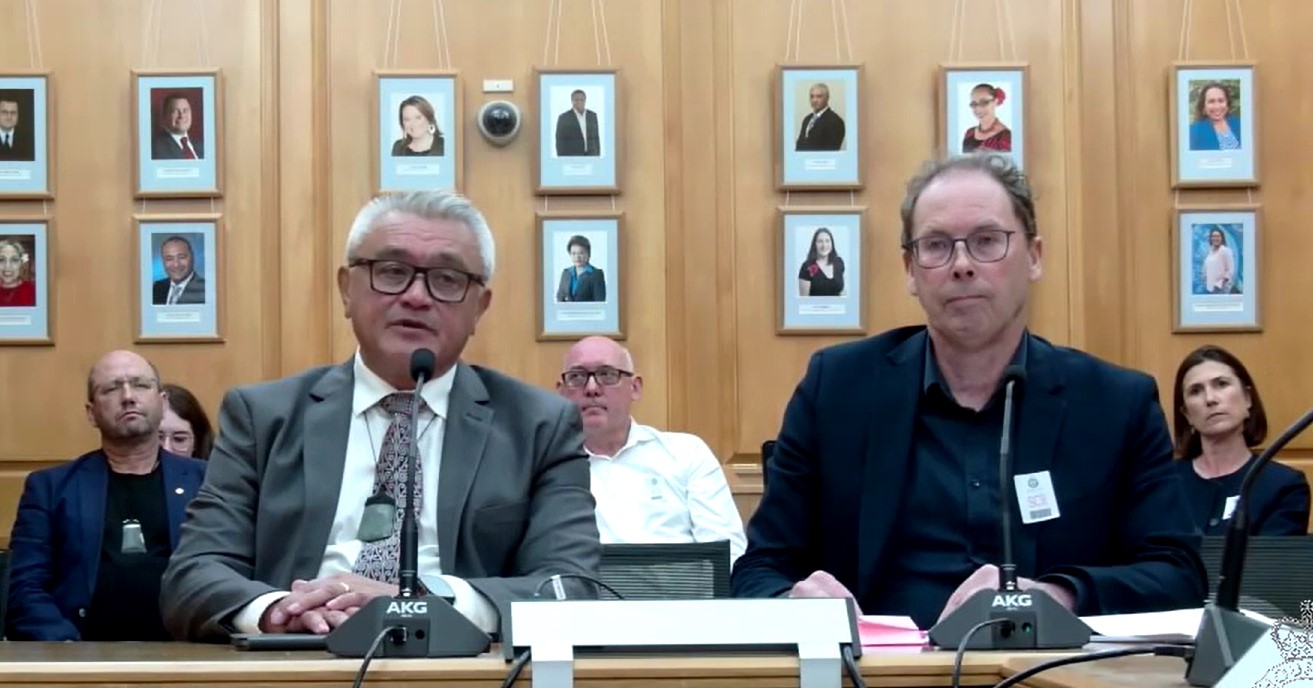
“RNZ absorbed a 7% reduction in funding over the last year. This further 2% reduction and the prospect of 5% reductions over the following two financial years means we will need to make further changes to ensure RNZ remains financially sustainable and can do the best possible job for audiences.”
The Government has also reduced NZ on Air’s budget by $2m a year and the New Zealand Film Commission’s budget by $100,000 a year.
NZ on Air’s budget is dropping from $104.76m this year to $102.697m for each of the next four financial years.
NZ on Air – which funds New Zealand shows, gaming and music – said it was not “massively surprised” by the reduction.
“We are modelling how to apply our baseline reduction with the ultimate goal to cause as little pain as possible for content creators and platforms, and as little impact as possible on audience outcomes,” chief executive Cameron Harland said.
Dame Lynda Topp’s impassioned music awards speech
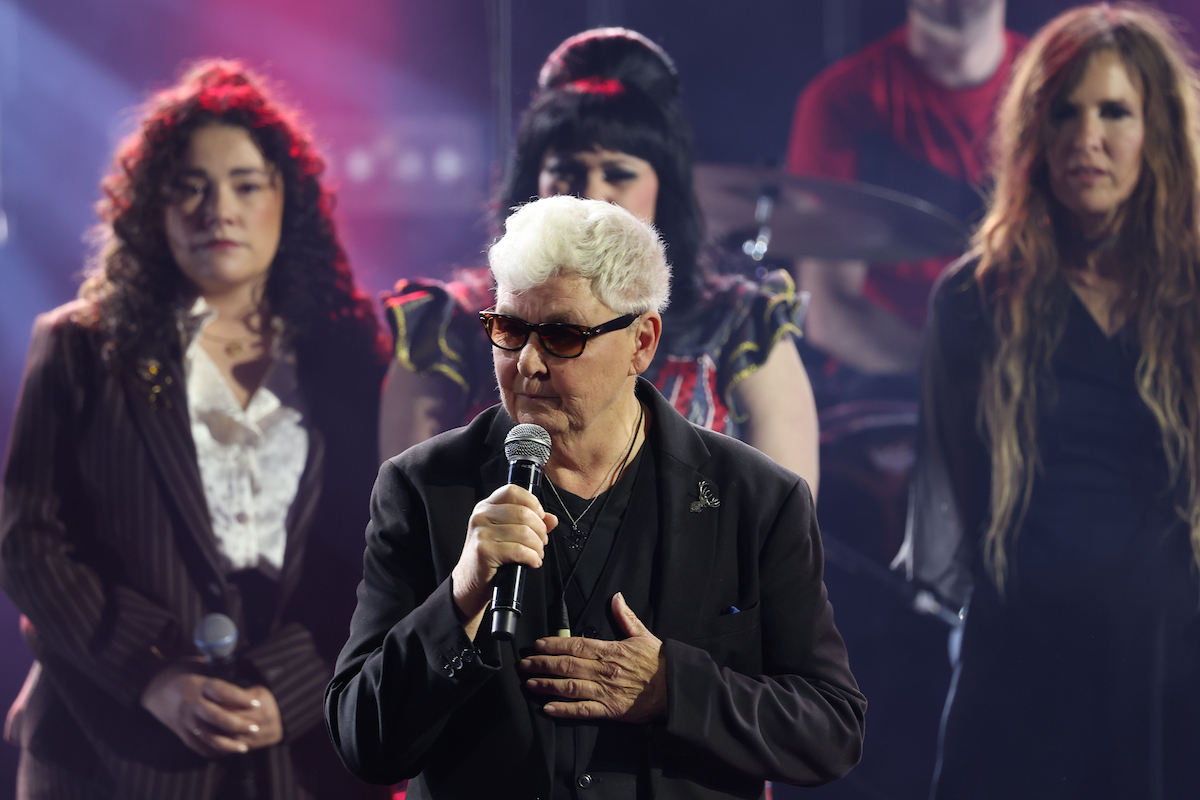
Dame Lynda Topp made an impassioned plea for more arts funding in an emotional speech from the stage at Thursday night’s Aotearoa Music Awards.
In the same week as her beloved twin sister Dame Jools Topp’s death – for which she said she would miss her forever – Lynda Topp spoke directly to Arts Minister Paul Goldsmith in the audience.
“We are not defined by a government. We are not defined by politicians. We are defined by people, and our culture and our art,” Topp said.
“I’ve got a message, Paul, if you listen up for a little minute, I’d like you to take a message back to Wellington. I did a speed read on the Budget this afternoon. There doesn’t appear to be any money for music. But in big, big letters at the top of the news, $2.1 billion for defence. What the f***?”
She said New Zealand had “three tanks and two of those are set in concrete in Waiouru”.
Read my colleague Mitchell Hageman’s full story, and more on the music awards here.
Jim Grenon’s day in court
Is businessman Jim Grenon liable for up to $300,000 costs in a defamation case that TVNZ successfully defended against anti-co-governance campaigner Julian Batchelor? A court has heard the arguments.
Businessman Jim Grenon’s lawyer stood early in Auckland District Court room 9.2, eyeing the TVNZ news camera. The state broadcaster had been given permission to film proceedings.
Lawyer Chris Patterson questioned the way that permission had been granted, given that TVNZ was a party to the case itself. “It’s not exactly an independent media agency,” he told Judge David Clark.
More specifically, he was worried about what was about to unfold in front of the camera and other media representatives in court on Thursday.

“My main concern is that [Grenon’s] reputation isn’t attacked,” said Patterson, saying that he understood Grenon had been targeted “quite vigorously” in an earlier defamation hearing.
During that hearing in December, TVNZ and academic Sanjana Hattotuwa successfully defended a defamation claim brought against them by anti-co-governance campaigner Julian Batchelor.
Batchelor – the Stop Co-Governance campaigner who was adamant he had been wronged by TVNZ in an August 2023 news report that essentially labelled him as racist – revealed during the defamation hearing that his case was being funded by Grenon.
Grenon – who decided to support Batchelor’s case soon after seeing the TVNZ story in 2023 – became a director and major shareholder of NZME, owner of the NZ Herald and Newstalk ZB, in 2025. He now holds more than 19.90% of the company.
Back before Judge Clark on Thursday, lawyers for TVNZ, Hattotuwa and Batchelor were joined by Grenon’s lawyer to lay out their positions on the question of costs – and who should now pay the hefty legal fees.
The rise of One Plus One
One Plus One Communications is next week seeking a hat-trick of wins as NZ’s large PR consultancy of the year. Founder Kelly Bennett opens up on the changing face of communications.
A respected public relations industry leader says the days of shiny brand-led TV commercials are “well and truly gone”, with advertising agencies now morphing into “PR stunt agencies”.
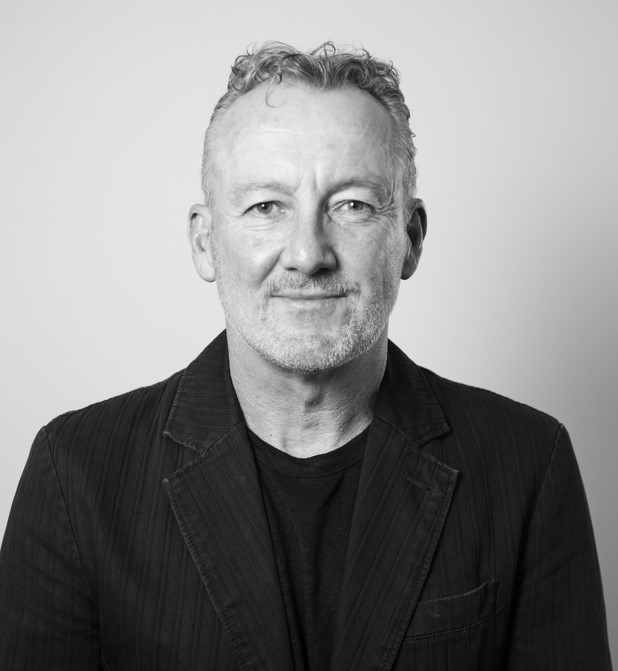
“Never has it been more apparent that PR – or culture-shaping ideas that earn attention – is the future of commercial communications,“ says One Plus One founder Kelly Bennett.
“All the big ad agencies are morphing into PR stunt agencies. The most famous ‘advertising’ out of this country in recent years has been a string of PR stunts.
“The opportunity for ambitious PR agencies – who quite frankly are better at understanding what earns attention, interest and trust, and are able to deliver that result consistently with a strategic and commercial rigour that goes beyond flash-in-the-pan stunts – is massive."
Provocative thoughts, for sure.
But Bennett is not observing this trend in any disparaging tone - he came back to me with more thoughts after an initial email and conversation.
He cites several initiatives from agencies in recent years - Motion Sickness’ award-winning ‘Māori Roll Call’ featuring Tāme Iti and its The Best Place in the World to Have Herpes; and The Worst Children’s Library, for Samsung via DDB (now McCann).
“The encouraging industry point I want to make is that commercial communication has been democratised over the last two or three decades, since the halcyon days when several international advertising agencies called our Parnell precinct home,” he says.
He says that changing media habits and audience fragmentation have disrupted the underlying economics of the commercial communications industry.
“The days of big ad agencies packing 100 people, they finished … several years ago, and it’s sort of been managed decline ever since."
He cites a Substack column from US writer Derek Thompson last year: “Everything is television”.
“It’s not to be taken literally, but it’s directionally correct in that much of our most influential media is converging on similar shapes,” says Bennett.
“YouTube now has TikTok-like shorts. So does Meta. Spotify now offers something like YouTube. Podcasts are morphing into something like TV chat shows.
“Here in NZ, the Herald now runs vertical video shorts and creates broadcast television and podcasts. So does Stuff. And The Spinoff. and the NBR. There’s an interesting flattening happening. Every player is doing what they need to earn the audience’s attention.
“The same thing is happening on the agency side of the equation. You can’t reliably buy mass cut-through in the way you once could, so agencies of all stripes are forced to employ earned attention strategies.
“To bastardise Thompson’s coinage and apply it to the agency world, I reckon you could now say ‘Everything is PR’.”
Now, he would say that, wouldn’t he?
But Bennett - who’s been in the game more than 20 years - and One Plus One have the credentials and the track record, to back it up.
The agencyt is nominated, for the fourth year in a row, as a finalist for large PR consultancy of the year at next week’s Prinz Awards - the prime event for New Zealand’s PR industry.
One Plus One won the award last year and in 2024 (it shared the award with Special that year).
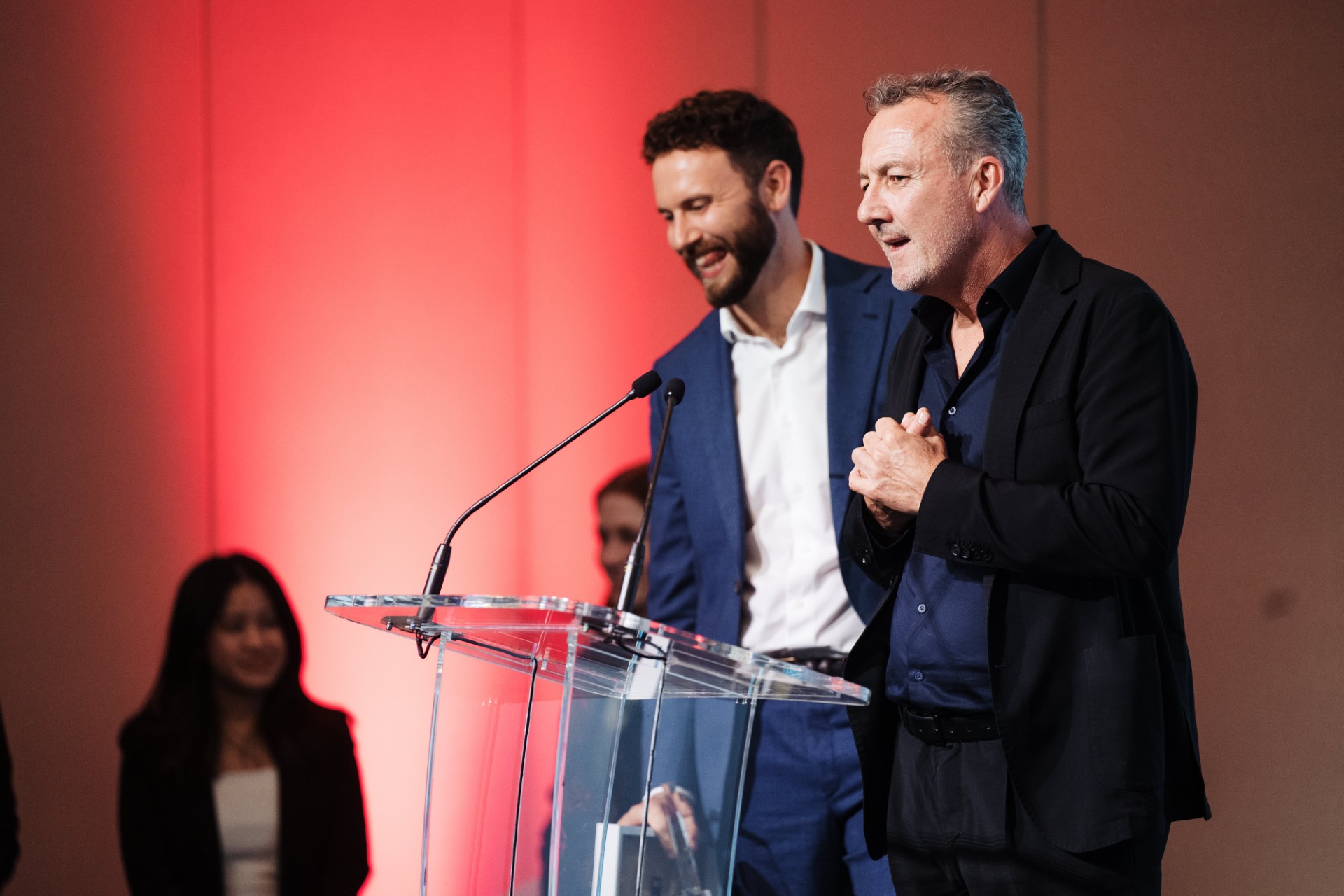
The agency is also shortlisted for next month’s PR Awards APAC agency of the year - another award it won in 2025.
Coinciding with that is an optimism within the agency.
General manager Max Burt - “unquestionably one of the best PR brains that I’ve ever met” - and Liz Holt - “one of the best account wranglers in the country” - have become shareholders.
“The value that they’ve brought to the business has helped fuel that growth, as indeed has the calibre of our team, which I think has never been better.”
It’s expanded as others have retrenched, now with just under 20 fulltime staff. It’s moved into Wellington, initially with one staff member, and the expectation is that more will join.
Bennett cites a quote often attributed to Walmart founder Sam Walton.
“Recession? I thought about it, and then I decided not to participate.
“That line is kind of central to the way in which we’ve tried to operate as a business over the last several years.
“Across what has been an anaemic three or four years for the wider economy and our industry, One Plus One has more than doubled in size, by both revenue and headcount,” says Bennett.
“Against a backdrop of global mega-mergers, agency consolidation and AI disruption, we are incredibly optimistic about the opportunity for ambitious independent consultancies and earned-first thinking.”
Among its roster are a string of big-name clients, including Mastercard, 2degrees, Suncorp, Aon, and NIB health insurance.
Bennett saus One Plus One pitched for two accounts - and won them - last year, directly against ad agencies.
He says they were for remits that were essentially ‘brand positioning’ - briefs that would’ve typically gone to yesterday’s ad agencies.
“One of the clients explicitly said: ‘The media has changed and attention has shifted so much, we’re not really sure what sort of agency we want anymore. Convince us why it’s you’.”
He reiterates that the world is changing and budgets are shifting.
He wants One Plus One to become “one of the preeminent communications businesses in New Zealand”.
“And we use that word, ‘communications’, in the more holistic sense: encompassing not just PR firms but advertising agencies, media agencies and digital consultancies. Because, as PR firms, we’re no longer paddling in our own little rock pool.
“The king tide has come in, and we’re swimming with all the fish in the sea.”
Editor-at-Large Shayne Currie is one of New Zealand’s most experienced senior journalists and media leaders. He has held executive and senior editorial roles at NZME including Managing Editor, NZ Herald Editor and Herald on Sunday Editor and has a small shareholding in NZME.