Ali Adams: The secrets to Christchurch’s economic success
When an Auckland-based newspaper says Christchurch has an economic blueprint for the rest of New Zealand, it’s safe to say the cat is out of the bag.
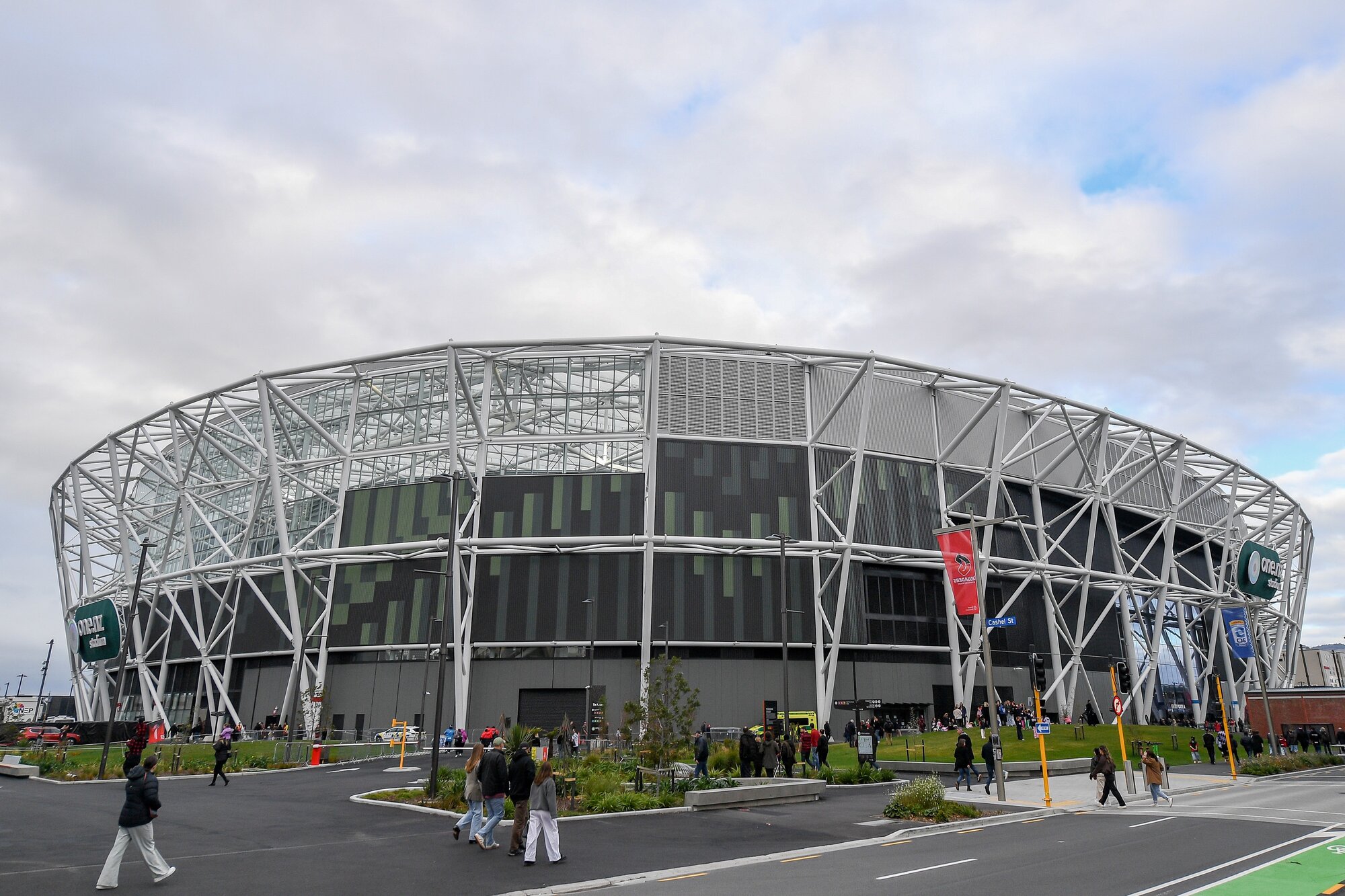
Fran O’Sullivan’s column on Christchurch’s post-quake revival hit the nail on the head. The city has entered a new phase, which finds its most colourful expression in the events filling our new stadium. But the roots of change go deeper, and reflect years of serious work by Christchurch City Council, central Government, private developers and others.
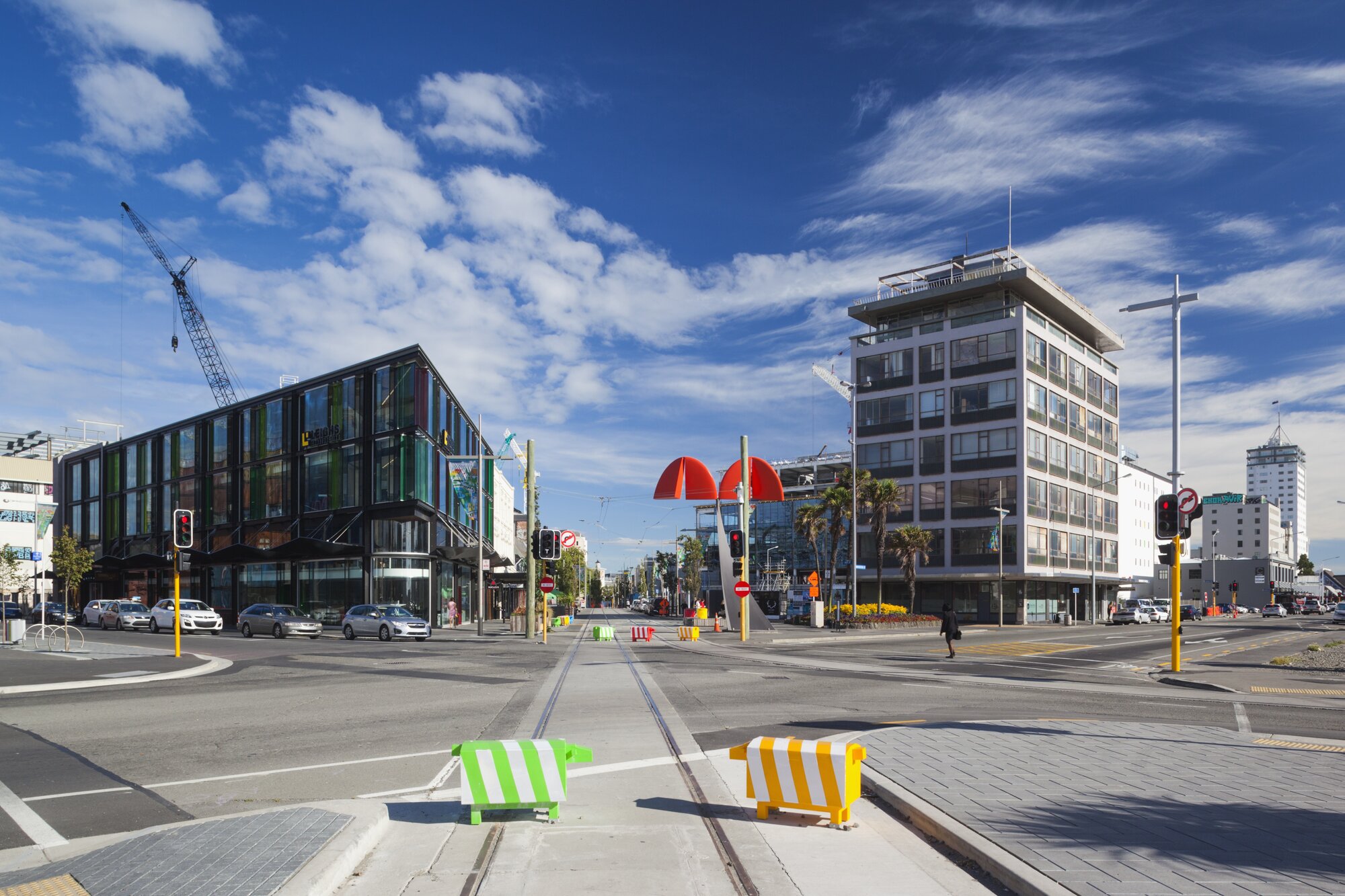
The year 2026 was always going to be special for Ōtautahi, with the final council and Government-funded anchor projects opening their doors. The energy surging through central Christchurch right now is the result of sustained economic development and deliberate, co-ordinated action.
But momentum doesn’t guarantee future prosperity. If anything, it creates a new challenge. What to do next?
It’s a question cities are faced with in a period of huge uncertainty. Global trade patterns are shifting. Geopolitical tensions are rising. AI is transforming industries. The challenge for cities is how to grow in a way that creates lasting value and resilience.
Add to that New Zealand’s longstanding issue of productivity. New Zealand’s GDP per hour worked has lagged that of other advanced economies in recent decades. Put simply, we are working hard but not getting the same economic return.
We need a new approach.
As a Long-Term Insights Briefing from the Ministry of Business, Innovation and Employment and the Ministry of Foreign Affairs and Trade outlines, New Zealand’s future prosperity depends on building more high-value, knowledge-intensive economic activity and focusing on areas where we have genuine capability and competitive advantage.
In Christchurch, this sits at the centre of how we are thinking about growth. We are focusing on a small number of sectors where the city already has momentum and global potential, including aerospace, healthtech, cleantech and the bioeconomy, while also working to ensure the wider system supports their growth rather than slowing it down.
That means looking closely at how procurement can enable innovation, how regulation can be more responsive, and how we create clearer pathways for businesses, talent and investment.
Aerospace is a good example. Canterbury has clear skies, specialised infrastructure, strong engineering capability and a growing cluster of companies already operating in the sector. We’ve developed a regional plan that aims to triple the regional sector’s workforce to 1500 and add $1 billion in annual revenue by 2035.

Last week, Dawn Aerospace closed a US$25 million ($44m) Series B to accelerate global expansion of reusable space transportation in a deal that almost doubled its valuation. Meanwhile, Kea Aerospace is close to opening a facility that will support the scaling of its high-altitude aircraft. Big things are happening in this space (pun intended).
The same is true in healthtech. Within the next year, BioOra will open a Christchurch facility to support the delivery of next-generation CAR-T cell immunotherapy. It has the potential to generate about $98m in annual GDP for New Zealand, and support approximately 1100 high-value jobs.
It’s true in cleantech, where companies such as Fabrum, Aspiring Materials and Zethos are building on growing international demand for low-emissions technologies.
And it’s true in the bioeconomy, where Canterbury’s deep expertise in food, fibre and science is creating new opportunities to generate more value from natural resources. Just look at the work of Leaft.
What connects these sectors is that they sit at the intersection of three important conditions. They are grounded in genuine regional strengths, are large enough to make a meaningful global economic contribution and they already have industry momentum.
That final point is critical. Economic development agencies don’t create industries. Businesses do.
Our role is to help create the conditions for success. To attract investment. To support business growth. To strengthen talent pathways. To bring together researchers, entrepreneurs, educators, investors and government agencies around common opportunities.
In other words, to help accelerate momentum that already exists. This is the Christchurch blueprint for tackling New Zealand’s productivity challenge head-on.

None of this diminishes the importance of packed-out stadiums, major events or city vibrancy. The talent, investment and ideas that drive economic growth are attracted to places that are exciting, connected and full of opportunity. A vibrant city is the foundation of economic growth.
The rebuild gave Christchurch world-class infrastructure. Years of public and private investment have given us momentum. The opportunity now is to focus that momentum on the areas where Christchurch can genuinely compete on the world stage.
In an increasingly uncertain world, focus may prove to be our greatest advantage.
Ali Adams is chief executive of ChristchurchNZ, Christchurch’s economic development agency. Ali has a background in economic development, having led New Zealand Trade and Enterprise’s work in Europe and, before that, in the South Island.
She has also worked in marketing, tourism and sports leadership, spending four years as the domestic manager for New Zealand Cricket.
A Cantabrian by choice since 2003, she started her business career as a brand manager for Unilever after graduating from the University of Cambridge with a first-class honours degree in natural science.