Greyhound Racing NZ lifts prizemoney weeks before sport banned
Prizemoney for the owners of racing greyhounds has been increased – just over two months before the sport is outlawed, the Herald can reveal.
Greyhound Protection League spokeswoman Emily Robertson said it felt like Greyhound Racing New Zealand (GRNZ) – the group that oversees the sport – was “emptying the coffers” before a ban on racing took effect, and its operations were taken over, on August 1.
An advisory posted in a private Facebook group to owners and trainers, obtained by the Herald, shows the board of Greyhound Racing New Zealand (GRNZ) has increased stakes or prizemoney by $150 for each dog that enters a race.
Prizemoney for owners ranges from $4000 to $100,000 depending on the race, and the increase in cash payouts means every owner who enters a dog in a race will benefit, as prizemoney is shared across the field.
“Once again, this is in line with our desire to support participants across the board as much as possible,” the update said.
GRNZ CEO Edward Rennell couldn’t say how much it would cost to fund the increase in cash prizes.
“The total cost of the stakes increase is dependent on race field sizes and race numbers, which are declining in line with the wind down of the domestic industry,” he told the Herald.
Rennell rejected the suggestion it was about spending cash before its operation was taken over by the Government’s Greyhound Transition Agency (GTA) – the group that will assume control of GRNZ’s cash and assets, and be in charge of rehoming dogs, on August 1.
“GRNZ continues to operate within normal financial governance arrangements,” Rennell said.
The boost in cash payouts for those entering dogs in races comes after the Herald revealed on Monday that GRNZ has offered to pay for a charter plane to take up to 70 greyhounds from Christchurch to Australia, where the sport is still legal.
Greyhound owners and trainers are not getting financial compensation for loss of income or redundant assets when the sport ends.
Robertson believed the sudden decision to boost cash prizes for those taking dogs to races was “compensation through the back door”.
She told the Herald it was about “filling up races as much as possible” so there are enough dogs to race and bet on, and believed it went against the spirit of ending the sport which was all about protecting dog welfare.
Robertson said any increase in payments to owners was significant when surplus cash held by GRNZ post-closure was intended to be spent on caring for ex-racing dogs.
She feared money spent on prizemoney increases, a funded charter flight to Australia and cash spent by GRNZ on trying to reverse the ban could mean “there’s no money left” when the ban kicks in.
When the GTA takes over GRNZ on August 1, it will assume control of any surplus cash it holds, and other assets such as offices and racing infrastructure.
“All that money is being taken away from the legitimate purpose that it’s been earmarked for – rehoming all of these dogs afterwards,” Robertson said.
It’s estimated that between 1500 to 2900 greyhounds will require new homes when racing ends.
Robertson believed lifting cash rewards also disadvantaged those who’d already exited the industry.
“It will overwhelmingly benefit the big trainers that will keep going to the bitter end, but also for the little trainers, it means they might hold on to a dog and keep racing it when otherwise that dog might be retired,” she said.
Rennell noted that the TAB would also help fund transition and rehoming costs and said the increase in stakes wasn’t related to the Government’s refusal to compensate owners.
“GRNZ is focused on maintaining continuity of operations, welfare standards and its rehoming arrangements through till closure at July 31, 2026,” he said.
In its 2024 annual report, GRNZ’s net assets were $15.8 million, including $5.9m in cash and cash equivalents.
Rennell said those figures were accurate at that time and updated figures will be posted in GRNZ’s next financial report.
“GRNZ’s financial position has continued to change during the industry wind-down and transition period due to ongoing operational expenditure, industry support measures, and closure preparations,” he said.
In another development, GRNZ’s board has also decided to give petrol money to those bringing dogs to race meetings.
“A flat payment of $100 per meeting will be made available to each handler and trainer (one payment per person),” an update says.
The fuel support initiative, which came into effect on May 1, was put in place after the TAB announced a month earlier that it would provide up to $1m to support those involved in thoroughbred and harness racing.
A press statement from Harness Racing New Zealand at the time said rising fuel prices “are placing real pressure on trainers, drivers, jockeys and clubs, and ultimately on the sustainability of race meetings”.
Greyhound racing was not included in the TAB’s support package, with GRNZ saying in its private post to participants that was “neither equitable nor acceptable”.
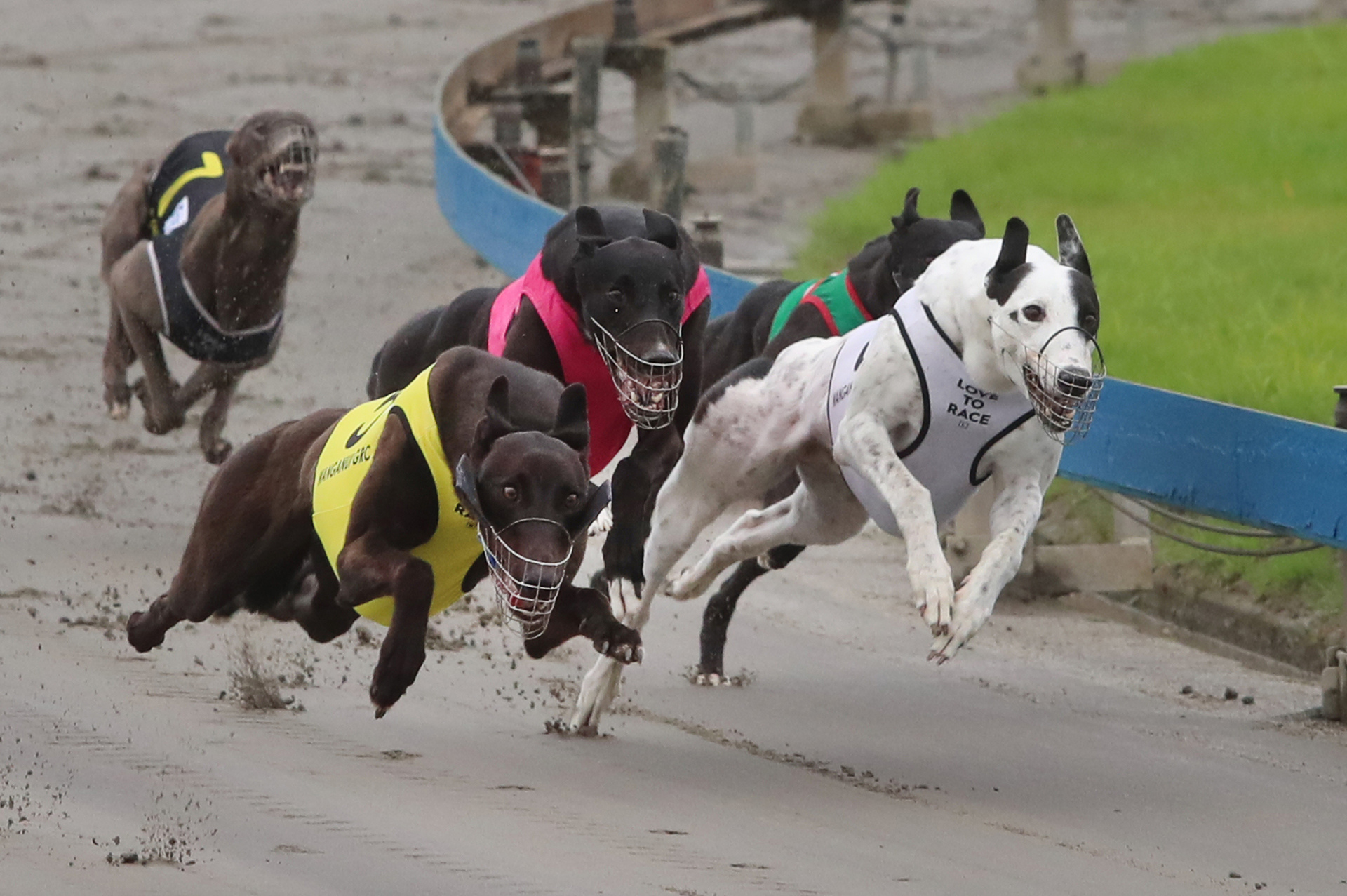
Rennell told the Herald the situation was disappointing, and he had been given no explanation about why greyhound racing – which continues to hold races until July 31 – was excluded.
“Greyhound racing participants travel frequently to race meetings and the GRNZ Board decided similar support was appropriate in light of those increased fuel costs,” he said.
The Herald asked Entain New Zealand, which now manages TAB’s operations, why greyhound racing was excluded from the fuel package and is awaiting a response.
Michael Morrah is a senior investigative reporter/team leader at the Herald. He won the best coverage of a major news event at the 2024 Voyager NZ Media Awards and has twice been named reporter of the year. He has been a broadcast journalist for 20 years and joined the Herald’s video team in July 2024.